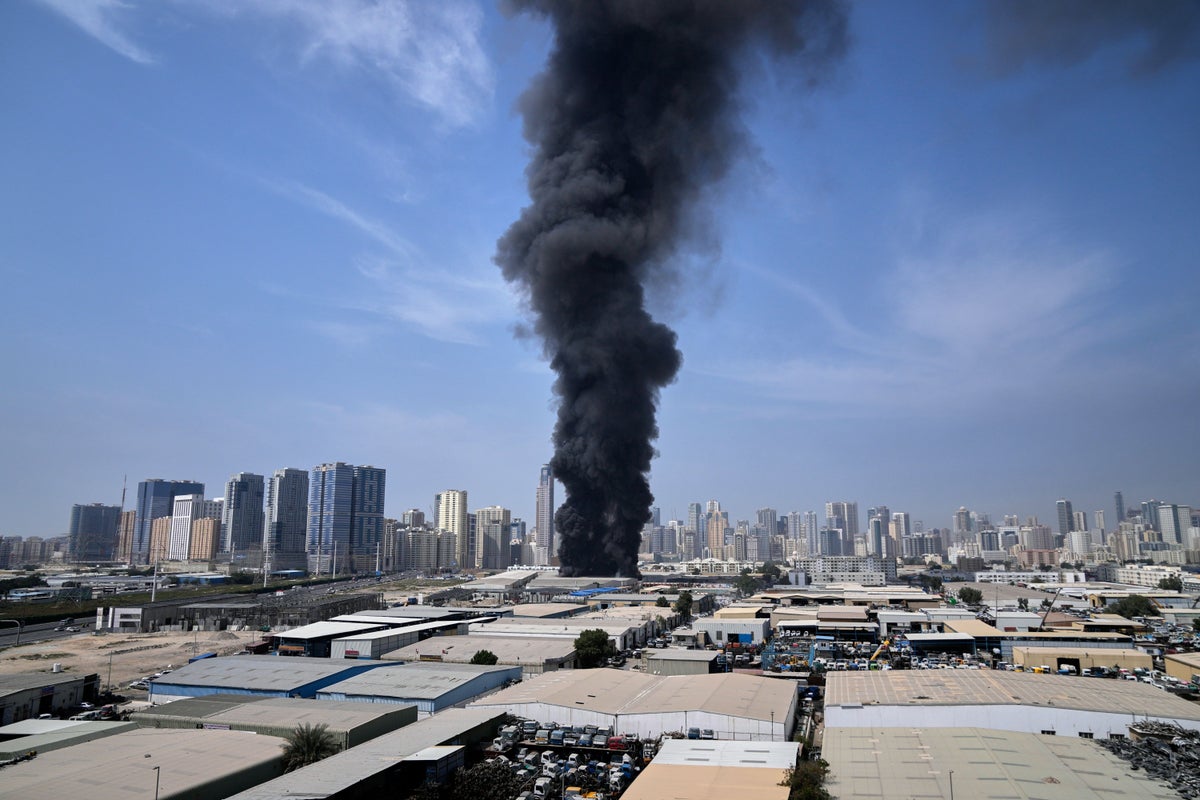
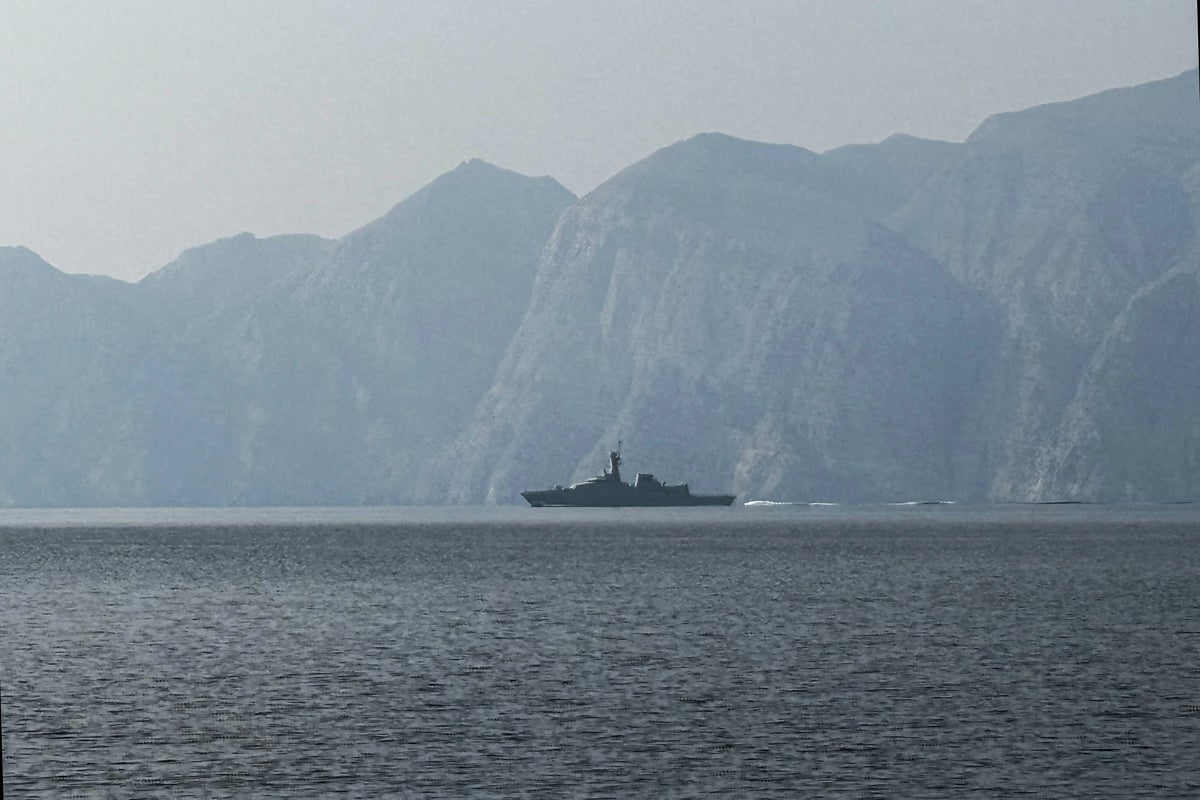
The tactical reality of the Persian Gulf changed at dawn. While the White House frames the destruction of nine Iranian warships as a singular act of "Epic Fury," the surgical nature of the strikes suggests something far more methodical than a simple outburst of American fire power. Satellite imagery confirming heavy damage at the Bandar Abbas naval base reveals a systematic dismantling of Iran’s asymmetric maritime capabilities. This was not a random skirmish. It was the execution of a long-standing contingency plan designed to strip the Islamic Revolutionary Guard Corps Navy (IRGCN) of its ability to shutter the Strait of Hormuz.
The loss of nine hulls—reportedly including a mix of Moudge-class frigates and high-speed missile boats—represents a catastrophic blow to Tehran’s naval prestige. More importantly, it signals the failure of the "swarm" doctrine that Iran has spent three decades and billions of dollars perfecting. For years, the threat was that hundreds of small, fast-attack craft would overwhelm US carrier strike groups through sheer numbers. That theory died this morning.
The Anatomy of the Strike
Military analysts looking at the thermal signatures in the latest satellite passes note a lack of collateral damage to civilian port infrastructure. This indicates the use of high-precision, low-yield munitions, likely delivered by a combination of carrier-based F-35C Lightning IIs and long-range standoff missiles. The goal was clearly to "de-tooth" the fleet without triggering a total regional collapse that would send oil prices into a permanent vertical climb.
US forces targeted the command-and-control hubs first. By severing the link between shore-based radar and the ships at sea, the Iranian vessels were effectively blinded before the first kinetic impact. This is the hallmark of modern electronic warfare. You don't just blow up a ship; you make the ship's crew wonder if their equipment is lying to them until the moment the hull breathes fire.
The IRGCN operates differently than the regular Iranian Navy (Artesh). The IRGCN is the ideological wing, favoring fast, aggressive, and often suicidal maneuvers in the narrow channels of the Gulf. By specifically targeting these assets, the US has removed the most volatile actors from the water. The regular navy remains largely intact, a calculated move that leaves Tehran a face-saving "professional" force to manage its territorial waters, provided they stay in port.
The Failure of the Asymmetric Gamble
For twenty years, the Pentagon worried about the "Millennium Challenge" scenario—a war game where a simulated Iranian force used low-tech tactics to sink a US carrier. Today’s results prove that technology has finally outpaced the swarm.
Advances in automated point-defense systems and the integration of AI-driven target acquisition have made it nearly impossible for a small boat to get within striking distance of a high-value US asset. When you can track 50 incoming targets simultaneously and assign a specific counter-measure to each in milliseconds, the "swarm" becomes a shooting gallery.
Iran’s naval strategy relied on the assumption that American commanders would be too risk-averse to engage in a crowded maritime environment. They banked on the chaos of the Strait of Hormuz—the world's most important oil chokepoint—to act as a shield. That shield shattered. The US signaled that it is now willing to accept the temporary economic shock of a Gulf conflict to ensure long-term maritime dominance.
The Intelligence Gap
One of the most jarring aspects of the "Epic Fury" strikes is the apparent lack of Iranian readiness. Despite weeks of rising tensions and public warnings from Washington, the targeted vessels were caught in a vulnerable state. Some were pier-side; others were in the middle of low-speed maneuvers just outside the harbor.
This suggests a massive intelligence failure within the Iranian high command. Either they didn't believe the US would follow through on its threats, or their internal communication lines were so compromised that the order to disperse never reached the captains. We are likely looking at a scenario where US cyber units paralyzed Iranian internal networks minutes before the physical attack began.
When your digital nervous system is cauterized, your physical muscles—in this case, the ships—are useless. The smoke billowing from the port is just the visible symptom of a much deeper, invisible defeat in the electromagnetic spectrum.
Regional Ripples and the Oil Question
Markets reacted with predictable volatility, but the expected $150-a-barrel spike hasn't materialized yet. Why? Because the strike was so decisive that it actually reduced the uncertainty. A lingering, low-level conflict is bad for business. A one-day decapitation of a naval threat, while violent, provides a grim kind of clarity.
Regional players like Saudi Arabia and the UAE are watching with a mix of relief and intense anxiety. While they are happy to see the IRGCN diminished, they are the ones who will bear the brunt of any Iranian retaliation. If Iran can't fight at sea, they will likely turn to their drone and missile batteries located deep inland.
The US has moved an additional two Patriot missile batteries into the region, anticipating this exact pivot. The "Epic Fury" strikes weren't just about ships; they were a declaration that the US is prepared to manage the escalation ladder all the way to the top.
The Hardware Reality
The sinking of the nine ships highlights a growing disparity in naval engineering. Iran's domestic shipbuilding program, while ambitious, has always struggled with modern metallurgy and sensor integration. Many of their "new" ships are actually heavily modified hulls based on 1960s British or French designs.
Putting modern missiles on an old frame is like putting a Ferrari engine in a tractor. It looks impressive on a spec sheet, but the vibrations, power requirements, and heat signatures eventually create fatal flaws. During the strikes, several Iranian vessels reportedly suffered secondary explosions far larger than the initial missile impacts would suggest. This points to poor ammunition storage and a lack of automated fire-suppression systems.
In contrast, the US platforms stayed well outside the range of Iranian shore-based silkworm missiles. They fought a "clean" war from over the horizon. The Iranian sailors never even saw the platforms that killed them.
Why Deterrence Failed
Deterrence only works if the threat is credible and the cost of action is perceived as too high. For years, Iran successfully convinced the world that any attack on its navy would lead to a global economic depression and a "forever war" in the Gulf.
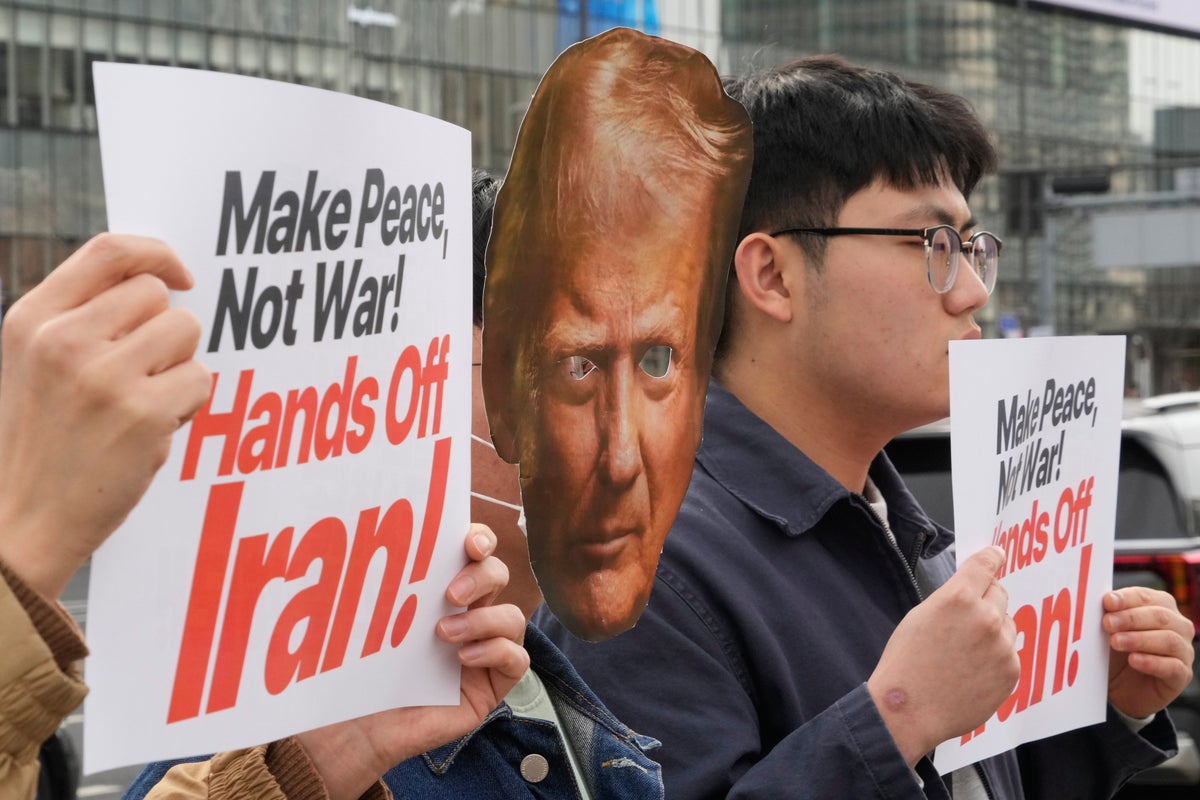
The Trump administration's decision to call that bluff changed the math. By choosing to strike while the world's eyes were already on the region, the US effectively reset the rules of engagement. They bet that Iran's "red lines" were actually pink, and so far, that bet is holding.
Tehran now faces a brutal choice. They can lash out with their remaining assets and risk the total destruction of their economic infrastructure, or they can swallow the loss and retreat into a defensive crouch. Every hour they remain silent, their remaining influence in the region erodes further.
The Logistics of the Aftermath
Clearing the wreckage at Bandar Abbas will take months. Sunken hulls in a busy military port create a navigational nightmare. Divers and heavy-lift cranes will be required, all while the threat of further strikes looms. This effectively shuts down Iran’s primary southern naval hub for the foreseeable future.
For the crews who survived, the psychological impact is immeasurable. The IRGCN has built its identity on the idea of the "brave martyr" who can take down the American Great Satan with a speed boat and an RPG. Seeing their largest frigates crumpled like tin cans by invisible enemies destroys that narrative.
The US Navy is currently maintaining a "high-readiness" posture, with P-8 Poseidon sub-hunters patrolling the waters for the few Iranian submarines that might have made it out to sea. These Kilo-class subs are Iran's last remaining wild card. If they are hunted down and neutralized in the coming days, the IRGCN as a functional fighting force will cease to exist.
Watching the Inland Batteries
The focus now shifts from the water to the mountains. Iran’s missile silos are buried deep in the Zagros range, hardened against conventional strikes. If the "Epic Fury" operation is to remain a success, the US must now prove it can intercept the inevitable retaliatory salvos.
The theater is no longer just the Persian Gulf; it is the entire air corridor from western Iran to the oil fields of the Arabian Peninsula. The smoke in Bandar Abbas is a signal, but the true test of this new American posture will be how many Iranian missiles can be knocked out of the sky before they hit a desalination plant or a refinery.
The era of the "small boat threat" is over, replaced by a much more dangerous game of high-speed ballistic chess. If you are an Iranian naval commander today, you aren't thinking about "Epic Fury." You are thinking about how to explain to your superiors that your multi-million dollar fleet vanished in twenty minutes without firing a single effective shot.
Move your assets to the inland corridors and prepare the long-range batteries, because the sea no longer belongs to Tehran.