Morning arrives in Riyadh with a heavy, golden silence. Before the sun clears the horizon, the air is already warm, smelling faintly of ancient dust and the sharp, clean scent of chilled terminal glass. Travelers clutch boarding passes. Families wave through floor-to-ceiling windows. The arrivals board flickers with destinations that span the globe, a mechanical alphabet of human movement and reunion. It is an ordinary Tuesday until it isn't.
Then the sky breaks.
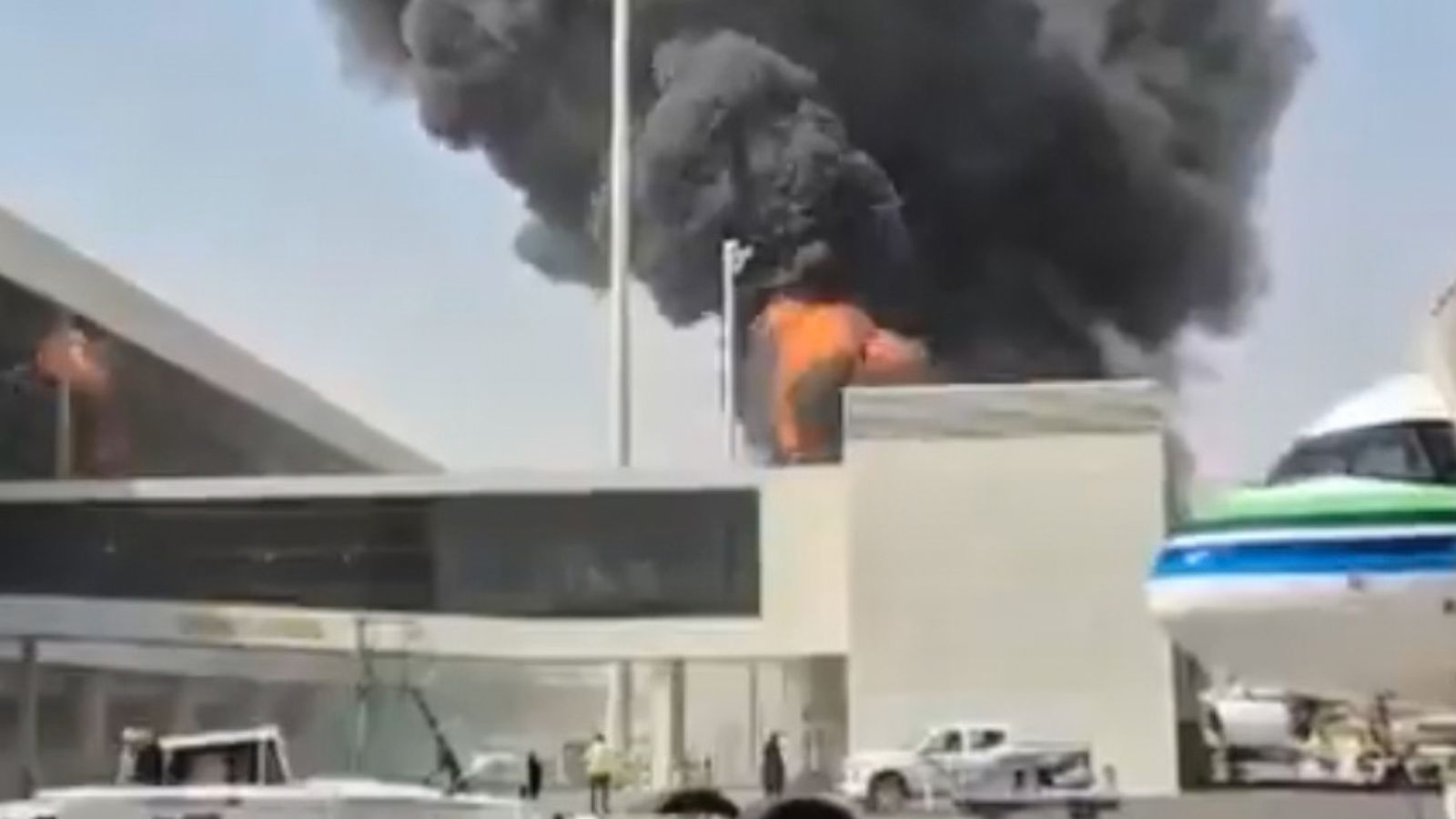
It is not the sound that comes first, but the pressure. A concussive wave that rattles teeth and makes baggage carts dance on the tarmac. Then the roar. And finally, the smoke. Thick, greasy, and black, blooming upward like a poisoned flower against the pale blue of the Saudi morning.
In a fraction of a second, the sanctuary of travel transforms. Glass shatters in slow motion, raining down like frozen diamonds. The hum of conversation dissolves into a single, collective intake of breath, followed immediately by the screams. Twelve lives extinguished before they could check their bags. Over three hundred others fractured, burned, or terrified, caught in the sudden, brutal intersection of geopolitical violence and civilian life.
We read these numbers on glowing screens thousands of miles away. Twelve killed. Over three hundred injured. The statistics are tidy. They fit into a push notification. But numbers have a way of flattening reality, turning human breathing beings into entries on a ledger.
To understand what happened at King Khalid International Airport, we have to look past the bureaucratic language of Saudi authorities and step inside the concourse.
Imagine a father named Tariq, standing near Gate 14. He is holding a cup of paper-cup coffee, waiting to board a flight to London for a medical checkup he has postponed for months. He is thinking about his daughter’s upcoming graduation, mentally drafting a speech he will never give in person. In the span of a heartbeat, the concrete floor he stands on heaves upward. The coffee cup is gone, replaced by a roaring wall of flame and flying shards of aluminum. When he opens his eyes minutes later, the world has turned grey. The air tastes of copper and sulfur.
This is the invisible cost of conflict. It does not respect borders, and it certainly does not respect the neutrality of a civilian transit hub.
Airports are modern cathedrals of optimism. They are monuments to human connection, built on the radical premise that we can cross oceans in hours to embrace people we love. To strike an airport is to strike at the nervous system of modern civilization. It is an assault on the fragile trust that allows strangers to sit shoulder-to-shoulder in aluminum tubes flying thirty thousand feet above the earth.
When the dust settled across the Riyadh tarmac, emergency responders moved like ghosts through the grey haze. Sirens wailed, a jagged counterpoint to the quiet devastation inside the terminals. Blood stained the polished marble floors where duty-free perfumes had spilled moments earlier.
Governments will issue statements. Condemnations will be drafted in wood-paneled rooms thousands of miles away. Analysts on television will point at maps with laser pointers, parsing the mechanics of the attack, debating trajectories, radar cross-sections, and strategic calculus. They will talk about deterrence and retaliation.
They will not talk about Tariq’s coffee cup.
They will not talk about the grandmother whose suitcase burst open, spilling hand-knitted woolen sweaters onto the soot-covered tarmac. They will not talk about the TSA-style security guards who became first responders, pulling bleeding strangers from the wreckage while their own ears rang from the blast.
History is written by generals and politicians, but it is felt by the rest of us. It is felt in the sudden hesitation before booking a flight. It is felt in the lingering glance at a stranger’s unattended backpack. It is felt in the quiet grief of twelve families who woke up expecting a routine goodbye and received instead an uncrossable silence.
The smoke above Riyadh has cleared now. The structural engineers are assessing the damage to the terminal glass. Flights will resume; they always do, because human momentum is a stubborn thing. We refuse to let the dark win.
Yet the air feels different. The silence that follows a tragedy like this is heavy with a realization we often try to forget. We live in a world bound together by glass and steel, and it takes so very little to shatter both.
As the sun sets over the desert, casting long, bruised shadows across the runway, the lights of the city flicker on one by one. Somewhere down there, a child asks when daddy is coming home. And the night has no answer.