Stop comparing your smartphone to a Marlboro Red.
The "social media is the new tobacco" trope is the ultimate security blanket for people who can't handle the modern world. It is a lazy, intellectually dishonest shortcut used by pundits to absolve themselves of personal agency. By framing an algorithm as a chemical carcinogen, we’ve decided that being distracted is a terminal illness rather than a choice.
I have spent fifteen years watching tech giants build these feedback loops. I’ve seen the internal metrics. I’ve seen how $100 million "engagement" projects are greenlit. But here is the truth the alarmists won't tell you: the software isn't "breaking" your brain. It is revealing exactly what was already there.
We don't have a tech crisis. We have a discernment crisis.
The Dopamine Myth Is Dead
Every "well-being" article loves to throw around dopamine like it’s a liquid drug being injected into your veins by a TikTok scroll. This is a fundamental misunderstanding of neurobiology. Dopamine is about anticipation, not pleasure. It is the chemical of "more," not "yay."
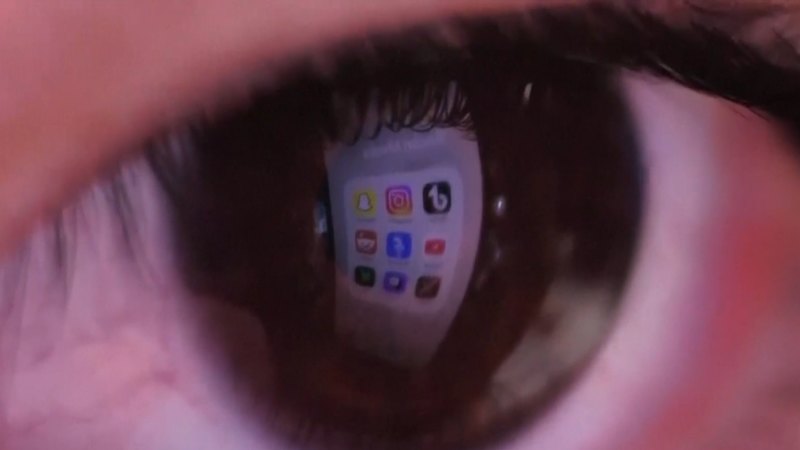
Comparing a notification to nicotine is a category error. Nicotine is a physical substance that binds to nicotinic acetylcholine receptors. It creates a physiological dependency that can lead to physical withdrawal. A "like" on Instagram is a piece of information. If you cannot stop looking at information, you aren't an addict in the clinical sense; you are someone who lacks a coherent internal hierarchy of values.
When people say "social media is worse than cigarettes," they are effectively saying that a picture of a vacation is more dangerous than lung cancer. It’s an insult to people who have actually battled chemical dependency. It’s also a convenient lie. If you’re an "addict," you’re a victim. If you’re just someone who lacks the discipline to put a glass slab in your pocket, you’re responsible.
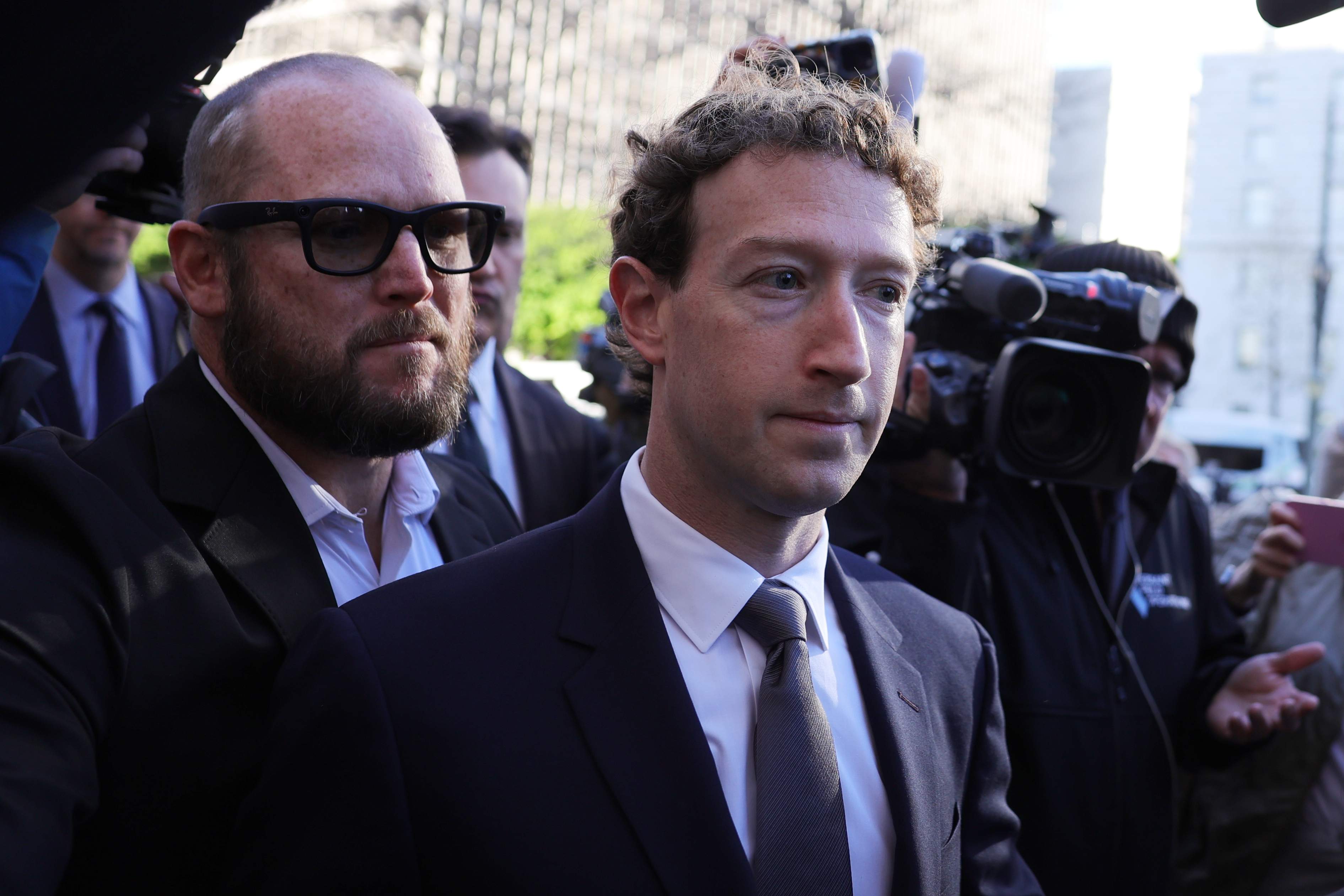
The world prefers the victim narrative. It’s easier to blame Mark Zuckerberg for your unfinished novel than to admit you find your own thoughts boring.
The Algorithmic Mirror
The common consensus is that algorithms "force" content on us.
Wrong. Algorithms are mirrors.
If your "For You Page" is a toxic wasteland of rage-bait and low-IQ memes, that is a data-driven indictment of your soul. The algorithm doesn't have an agenda to make you miserable; it has an agenda to give you what you actually look at, not what you say you want to look at.
I’ve audited accounts for high-net-worth individuals who complain that social media is "rotting the culture." When we look at their data, they spend four hours a day hate-watching political rivals. The algorithm isn't a puppet master; it’s a mirror. It is the most honest feedback loop in human history. It reflects your base impulses back to you in real-time.
People hate social media because they hate what they do when they think no one is watching.
The Productivity Tax Is A Choice
We hear that social media is "destroying" productivity.
In a scenario where a worker spends two hours a day on Twitter instead of writing a report, the "tobacco" crowd blames the app's "infinite scroll." They call it "persuasive design."
Let’s call it what it really is: a refusal to engage with difficult work. Before the iPhone, people wasted hours at the water cooler, or staring at the back of a cereal box, or playing Minesweeper. The distraction has changed; the human desire to avoid cognitive strain has not.
The most successful people I know use these platforms as high-leverage tools. They don't "consume" content; they distribute ideas and extract specific data. They have high "Information Literacy." They treat their attention like capital. If you are "scrolling," you are the product. If you are "utilizing," you are the owner.
The "cigarettes" analogy fails because nobody ever got a $200,000 job offer by smoking a pack of Camels. Millions of people have built careers, learned complex skills, and found global communities through the very platforms we are told are "killing" us.
Why The "Digital Detox" Is A Scam
The "Digital Detox" is the "Juice Cleanse" of the tech world. It’s a temporary, performative solution to a permanent, structural problem.
Going to a cabin in the woods for a weekend without your phone doesn't fix your relationship with technology. It just makes you a person who is bored in the woods. When you come back to the city on Monday, the notifications are still there. The world still moves at light speed.
The problem isn't the presence of the device; it’s the absence of a mission.
People who have a compelling reason to be alive—a project they love, a family they care about, a craft they are mastering—don't "fall into" a six-hour YouTube hole. They don't have time for it. If you find yourself losing half your day to a screen, the phone isn't the problem. The void in your life that the phone is filling is the problem.
The Case For Intentional Friction
The "tobacco" crowd wants regulation. They want the government to force apps to have "kill switches" or "scroll limits." This is the nanny state applied to the mind. It’s pathetic.
If you want to "fix" your relationship with technology, you don't need a law. You need friction.
- Greyscale Mode: Strip the color. Make the dopamine-triggering icons look like a 1940s newspaper. Suddenly, the "slot machine" isn't so shiny.
- The "Phone Seat": Your phone shouldn't live in your pocket. It should have a "seat"—a charger in a specific room. If you want to use it, you go to the seat. You don't carry the slot machine with you to the bathroom, the dinner table, or the bed.
- Delete the Aggregators: If an app’s primary purpose is to show you what other people are doing, delete it. Access it through a browser if you must. The friction of logging in kills the impulse.
These aren't "hacks." They are the basic hygiene of a digital adult.
Stop Crying And Level Up
The world is not going back to the 1990s. There is no version of the future where we aren't connected to a global hive mind 24/7. You can either spend your life complaining that the world is "addictive," or you can develop the mental fortitude to navigate it.
The "social media is cigarettes" narrative is for losers. It’s for people who want an excuse for their own stagnation. It’s for people who want to be told that their lack of focus is someone else's fault.
The software is powerful, yes. The engineers are smart, sure. But they aren't gods. They are just designers playing on your lack of purpose.
If you want your life back, stop waiting for a surgeon general’s warning.
Put the phone down or start using it to build something. Everything else is just noise.
The algorithm only wins if you have nothing better to do.