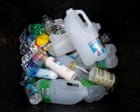
The soil in Çukurova does not smell like plastic. It smells like crushed stone, sun-baked dust, and the sharp, ancient copper of a river receding in July. Or at least, it used to.
Walk out past the irrigation channels, where the flat plains of southern Turkey stretch toward the Mediterranean like an emerald palm, and you will find something else. You will find a thin, iridescent film caught in the roots of the cotton stalks. It looks like the skin of an onion left too long in the rain. Tear it between your fingers, and it does not yield easily. It stretches. It remembers Manchester. It remembers London. It remembers a blue recycling bin three thousand miles away.
We do not like to think about where things go when they leave our hands. We drop a cracked plastic punnet of cherry tomatoes into the municipal collection truck, listen to the metallic clatter, and wipe our hands. Transaction complete. Conscience cleared. The lorry rolls away, the council logs a tonnage diverted from local landfills, and a quiet, bureaucratic fiction takes root.
Except the journey has barely begun.
Consider what happens next: the cargo slips into a steel container, boards a cargo ship slicing through the choppy grey of the Bay of Biscay, rounds the tip of the Iberian Peninsula, and docks at a port on the Turkish coast. By international trade law, it is designated as raw material. By physical reality, it is a mountain of mixed polymers, greasy food packaging, and shredded supermarket bags that nobody in Britain had the infrastructure to process.
(Note: When I speak of the incoming shipments, I am drawing on verified trade data and environmental investigations from organizations like Greenpeace, which have tracked European plastic waste streaming directly into Turkish agricultural provinces.)
Mehmet knows the smell better than anyone.
His hands are the color of cured walnut wood, lined with decades of working the heavy clay of Adana. When we sat together on overturned crates behind his citrus grove last spring, he held up a handful of dark topsoil. It sparkled. Not with mica, but with microscopic polyethylene flakes.
"They told us it was fertilizer," he said, staring past my shoulder toward the horizon where the chimneys of illegal sorting facilities rise like blunt fingers. "They told us the factories needed clean material to make garden furniture. But the factories don't want the dirty bits. The dirty bits blow into my oranges."
He didn't yell. That is the thing that stays with you. Outraged articles in British broadsheets scream about global injustice with exclamation marks, but the people living inside the consequence speak in flat, exhausted cadences. They have watched their irrigation ditches choke on shredded carrier bags. They have watched cattle graze near open-air burn sites where the black smoke tastes like burning car tires and smells of cheap shampoo bottles melting in the sun.
This is the machinery of waste colonialism. It is a dry term for a wet, messy reality.
Rich nations possess an insatiable appetite for convenience, coupled with a strict regulatory aversion to the mess it creates. We built economies that reward the illusion of infinite cleanliness at home while outsourcing the ecological invoice to places with weaker enforcement mechanisms, cheaper labor, and less political voice. Turkey became a primary dumping ground almost overnight after China slammed its doors to foreign trash in 2018. Millions of tons of British, German, and Italian plastic diverted their course, washing up on shores that were never built to digest them.
We call it recycling. The planet calls it displacement.
To understand why this system persists, you have to look at the economics of invisibility. Out of sight. Out of mind. If a plastic bottle is crushed in a Leicester warehouse and loaded onto a barge, its carbon footprint vanishes from the UK's national ledger. The British recycling rate ticks upward, ministers smile for the cameras, and the green credentials of local councils remain untarnished.
Meanwhile, thousands of miles away, the infrastructure buckles.
Much of the imported plastic is so heavily contaminated with food waste, paper, and non-recyclable multi-layered films that sorting it economically is impossible. What cannot be sold to legitimate manufacturers is dumped illegally in ditches, abandoned warehouses, or riverbeds, or worse, set ablaze in the dead of night.
I stood near one of those burn sites once. The heat was ferocious, even from fifty paces. The flames licked upward, consuming tangled heaps of European yogurt pots and medical tubing, releasing a toxic cocktail of dioxins and heavy metals into the air that settles over the very wheat fields destined to feed local families.
The wind carries it everywhere. It settles on the leaves of lemon trees. It washes down into the water table when the autumn rains finally break the long drought.
We have engineered a global supply chain that treats the Global South not as a collection of sovereign communities, but as a vast, bottomless trash can with a polite postal address.
Yet, there is a fierce, stubborn resistance rising from the dust.
In local coffee houses across the Adana province, farmers, lawyers, and environmental activists gather around small glasses of dark tea, plotting legal challenges and mapping the GPS coordinates of illicit dumping grounds. They are not waiting for Whitehall to grow a conscience. They are filming the truckloads arriving under the cover of darkness. They are testing the soil chemistry, measuring the cadmium levels in the groundwater, and demanding that European governments take responsibility for the rubbish they export.
Change, when it comes, will not arrive because a multinational corporation suddenly decides to be ethical. It will arrive because the cost of looking away finally becomes higher than the cost of cleaning up our own mess.
Until then, the soil in Çukurova waits. Every spring, the cotton pushes its green shoots up through the earth, struggling past the modern detritus of a distant continent, bearing witness to a world that decided out of sight was close enough.

.png?itok=1mb05mKJ)

