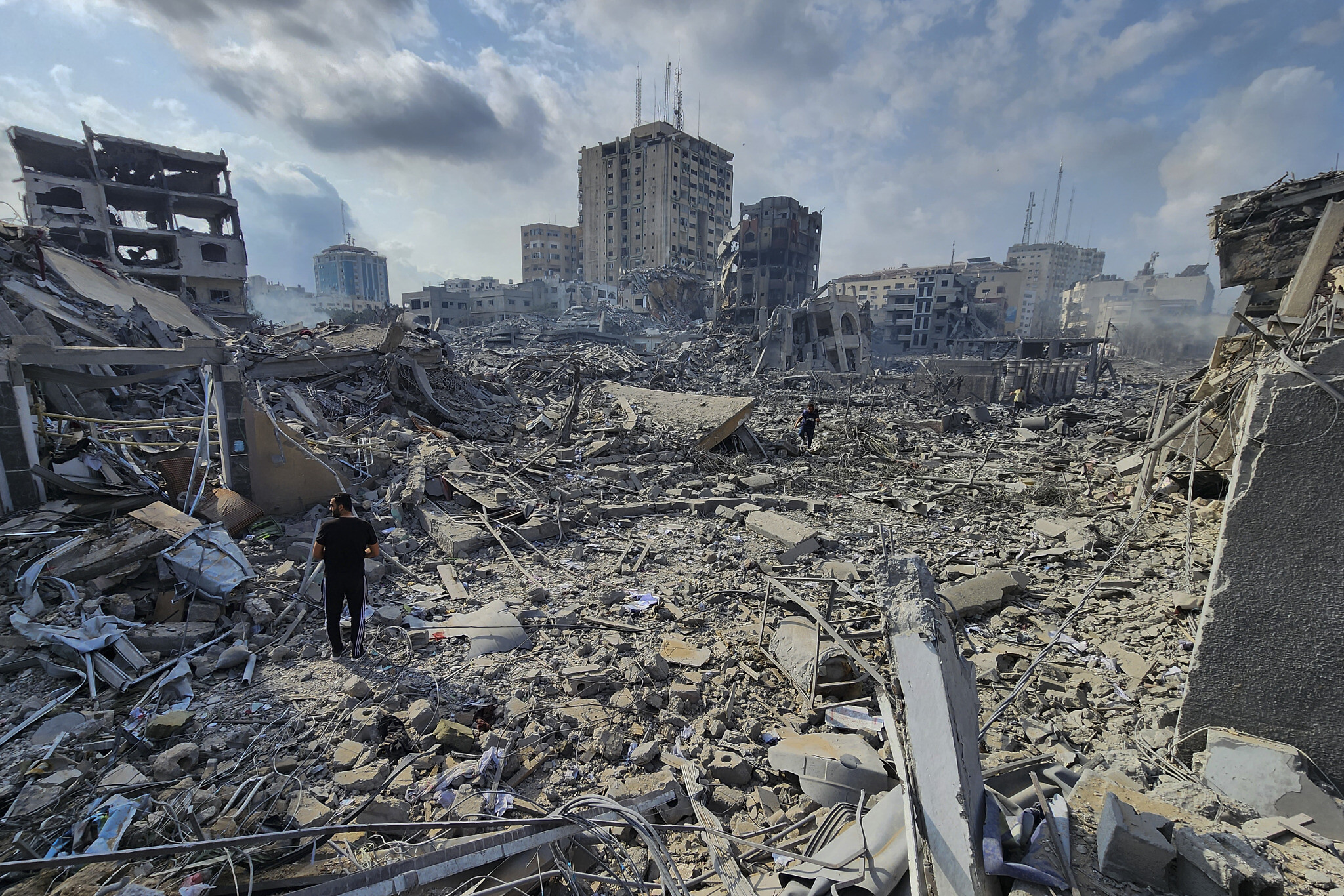
The coffee in the paper cup had gone cold hours ago, but nobody cared about the temperature of their drinks. Not when the air outside the terminal window smelled faintly of salt from the Gulf of Aden and something much heavier, something metallic and sharp that lingered long after the smoke cleared.
Let us return to that December afternoon in 2020. Imagine standing on the observation deck or sitting inside the crowded arrival hall of Aden International Airport. The atmosphere was supposed to be one of cautious rebirth. A newly formed power-sharing cabinet was scheduled to touch down, carrying ministers who had spent years in exile, flying in from Riyadh to reclaim a semblance of governance for a fractured country. Families were gathered near the barriers. Journalists adjusted their cameras. Luggage carts rattled across the tile floors. Learn more on a related subject: this related article.
Then came the whistle.
It is a distinct sound, one that veterans and long-time residents of Yemen know in their bones long before it registers in the conscious mind. It is not the rumble of an ordinary engine or the sharp snap of a backfiring car. It is a tearing of the air, a high-pitched screech that defies gravity, followed by impacts that rattle teeth and shatter glass. Additional reporting by The Guardian highlights similar views on the subject.
Two ballistic missiles. Fired from territory controlled by the Houthi movement. Aimed squarely at the civilian tarmac just moments after the plane carrying the unity government officials touched down.
The first blast hit the terminal area near the reception hall. The second struck close to the runway apron. In an instant, the hum of anticipation turned into chaos. Sirens wailed, cutting through the dust and panic. People dropped to the concrete, scrambling behind concrete pillars, clutching children, shouting names into the gray haze.
When the smoke finally drifted out over the blue waters of the Arabian Sea, the human cost was staggering. At least twenty-six people lost their lives that day. Scores more were wounded. Among the dead were local civilians, airport workers, and journalists who had simply shown up to document a hopeful political turning point. Miraculously, the newly arrived ministers escaped unhurt, having been quickly whisked away to the presidential palace before the full fury of the strikes unfolded. But the message sent across the tarmac was brutal, loud, and unmistakable.
To understand why two missiles falling on a civilian airport matters far beyond the borders of Yemen, we have to look past the dry wire-service dispatches. This was never just about a runway or a political delegation. It was an assault on the fragile architecture of daily life.
Consider the perspective of an ordinary baggage handler or a ticketing clerk at Aden International. For years, their workplace had been a frontline, a prize to be fought over, closed, reopened, bombed, and guarded. Going to work meant calculating risk. Every flight that managed to land safely was a minor victory against a backdrop of infrastructural decay and ongoing conflict. When those missiles struck, they targeted the physical lifeline connecting a beleaguered population to the outside world. An airport is not merely a collection of buildings; it is an umbilical cord for medicine, food, trade, and human connection. Cutting it or threatening it means strangling the city's ability to breathe.
The Houthi leadership later blamed internal security failures or dismissed the event, yet international investigators and monitors pointed directly to the trajectory of the projectiles, originating from areas firmly under their military control. The condemnation was swift and global. The United Nations, allied nations, and humanitarian organizations denounced the attack as a war crime, emphasizing that targeting civilian airports and officials is a gross violation of international humanitarian law.
Yet, condemnations do not rebuild shattered concrete, nor do they bring back the fathers, mothers, and colleagues who went to work that Tuesday morning and never came home.
In the days that followed, the international press corps moved on to other global crises. The news cycle spun forward, leaving behind the charred wreckage on the tarmac and the families grieving in the neighborhoods surrounding Crater and Tawahi. But for the people of Aden, the memory of that sound remains etched into the acoustic landscape of the city. Every time a low-flying jet rumbles overhead, heads turn upward. Every time a loud noise echoes from the port, muscles tense.
History is often taught as a series of grand treaties, troop movements, and political speeches broadcast from distant capitals. But real history is lived in the chest of a mother pulling her child away from a shattering window. It is lived by doctors rushing into emergency rooms ill-equipped for mass casualties. It is endured by communities refusing to let fear completely dictate the rhythm of their survival.
The missiles fired at Aden airport tore into more than just the terminal roof. They struck at the very idea that a peaceful civic future could be built in Yemen. Yet, beneath the broken glass and the political posturing, something stubborn persists. Planes still land on that runway. Passengers still walk across that tarmac, carrying bags, holding hands, looking toward a horizon that remains uncertain, complicated, and entirely worth fighting to reclaim.