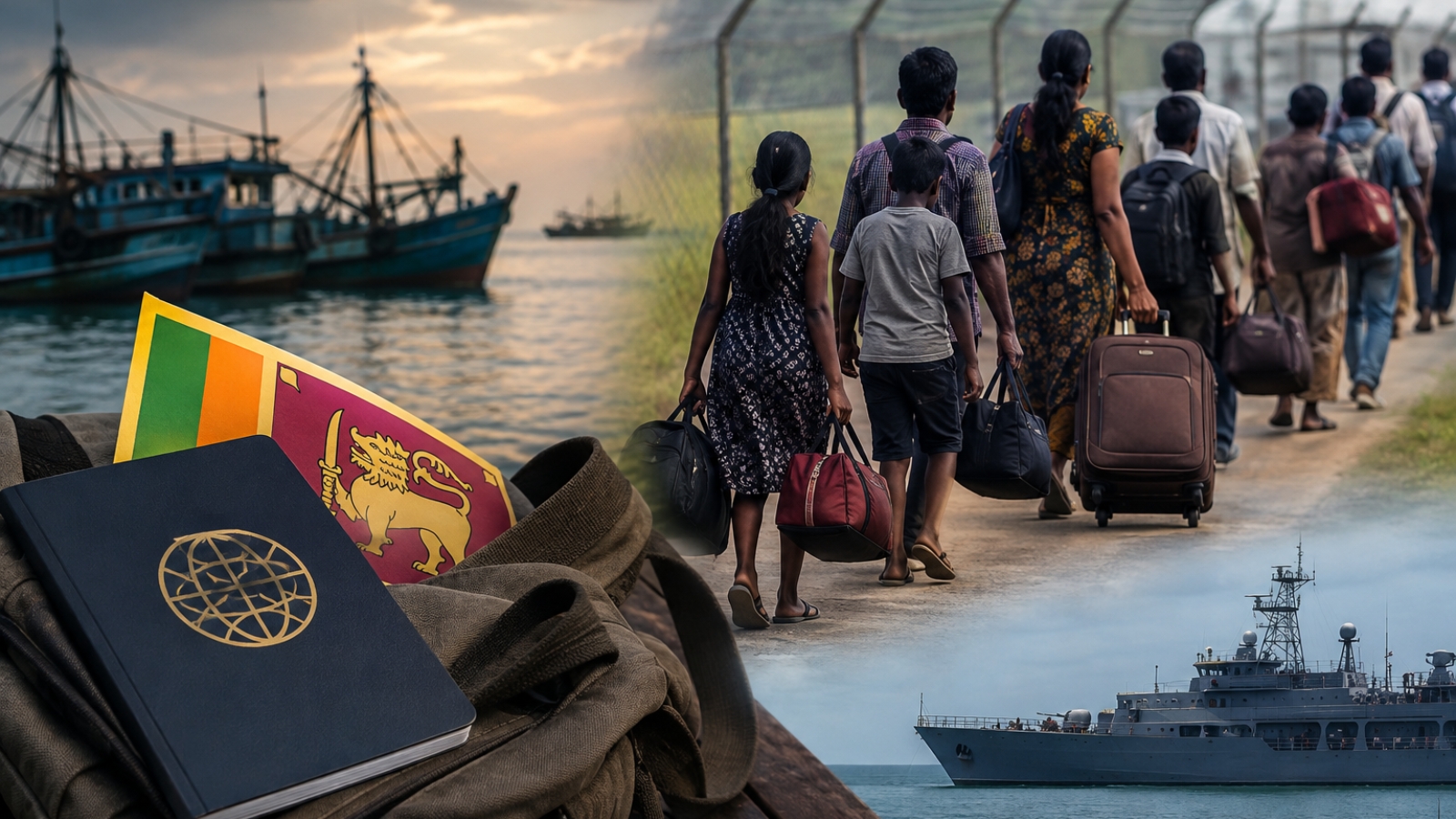
Going home after decades in exile sounds simple. For tens of thousands of Sri Lankan Tamils living across Tamil Nadu, it hasn't been. Red tape, missing passports, and legal threats turned a basic human desire into a logistical nightmare. That reality is shifting.
Sri Lanka’s Cabinet just approved new measures to clear immigration hurdles for refugees wanting to return. If you've wondered what it actually takes for these families to cross the Palk Strait, the rules are finally changing. But the path home remains packed with conditions.
Breaking Down the New Return Rules
Decades after fleeing a brutal civil war, about 89,000 Sri Lankan Tamils still reside in camps and towns across Tamil Nadu. Nearly forty percent of them were actually born in India. Many possess zero traditional documents from their ancestral home because they left in a hurry between August 2006 and May 2009 without formal passports or approved exit ports.
The Sri Lankan government now says it will issue immigration clearance for these individuals. This waiver applies specifically to those returning through the United Nations High Commissioner for Refugees (UNHCR).
Instead of facing prosecution under the Immigrants and Emigrants Act, returning citizens will receive temporary passports. They can enter through authorized airports or ports without running afoul of historical departure violations.
The Strict Background Check Process
You can't just pack a bag and board a flight. The Sri Lankan state has placed heavy security filters on the repatriation process.
Before anyone gets a temporary travel document, the State Intelligence Service runs a stringent screening. Officials verify identities through Sri Lankan diplomatic missions in India. More importantly, returnees must secure clearance showing zero involvement in specific criminal categories.
- Murder and Treason: Anyone flagged for serious offenses faces immediate detention upon arrival.
- Legal Handover: Instead of walking free into their hometowns in Jaffna, Mannar, or Vavuniya, accused individuals go straight from the port of entry to local law enforcement.
- The Intelligence Filter: Security vetting is mandatory. Without a clean report from the State Intelligence Service, repatriation applications are blocked entirely.
This security wall exists because past returnees occasionally ran into unexpected legal traps. In previous years, even individuals carrying UNHCR papers faced sudden detentions at airports like Palaly due to old, unresolved warrants or missing clearance documents.
The Reality of Life in Tamil Nadu vs Returning
Deciding to leave India isn't an easy choice for many families. Tamil Nadu houses generations who built makeshift lives inside camps, while about 50,000 live outside camps in cities like Chennai and Trichy.
The state government provides distinct welfare packages. Adults receive monthly cash allowances, free rice, and subsidized utility support. Students access free education, textbooks, and university funding. For families where children have grown up speaking Tamil with an Indian accent and attending local schools, returning means starting from scratch in a country they barely remember.
On the other side, Sri Lanka offers limited reintegration allowances, transport grants, and housing support through local rehabilitation authorities. Yet, job markets, property restitution, and economic stability remain tough hurdles.
If you look at the numbers, more than 18,500 people managed to return between the end of the war and mid-2025. This fresh Cabinet policy aims to clear the backlog for the thousands who stayed behind because they lacked a valid stamp in a passport that never existed.
Check the specific guidelines through the UNHCR office in Chennai if you or someone you know requires documentation assistance. Begin by verifying identity records through local camp administrators to speed up the diplomatic mission checks.