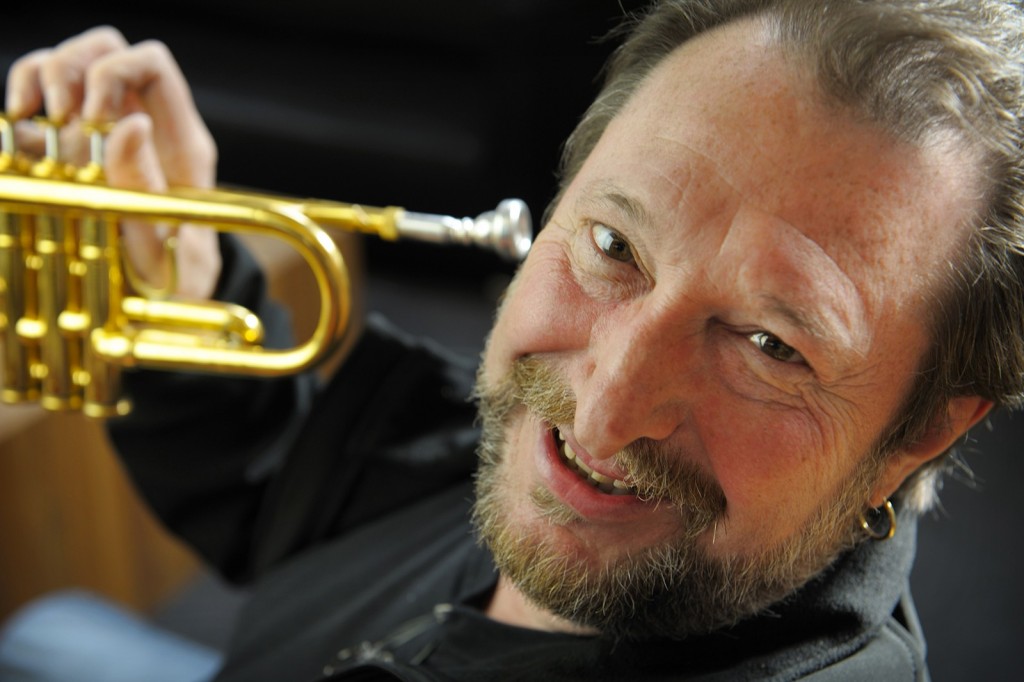
The acoustic guitar case sat by the door of a Nashville studio, stickered with the fading memory of three different indie festivals. It was supposed to be packed for Washington. Instead, the latches stayed open. The musician who owned it sat staring at a smartphone screen, watching a comment section erupt into a digital civil war.
Art is rarely comfortable, but it is usually loud. What happened in the buildup to the planned US Freedom 250 festival was a different kind of phenomenon. It was the sound of a sudden, heavy silence.
When plans were first drawn up for a massive cultural celebration to mark the semiquincentennial—the 250th anniversary of American independence—the vision was grand, sweeping, and aggressively patriotic. It was designed to be a definitive cultural monument. A legacy project. But culture is a living, breathing creature, and it rarely takes cues from a script written by politicians.
Within days of the initial lineup announcements, the structural integrity of the festival began to splinter. It did not happen with a massive press conference or a coordinated boycott. It happened quietly, individual artist by individual artist, pulling their names from the roster. Country singers, indie rock bands, and visual artists looked at the shifting political gravity surrounding the event and decided, one by one, that the stage was too hot to stand on.
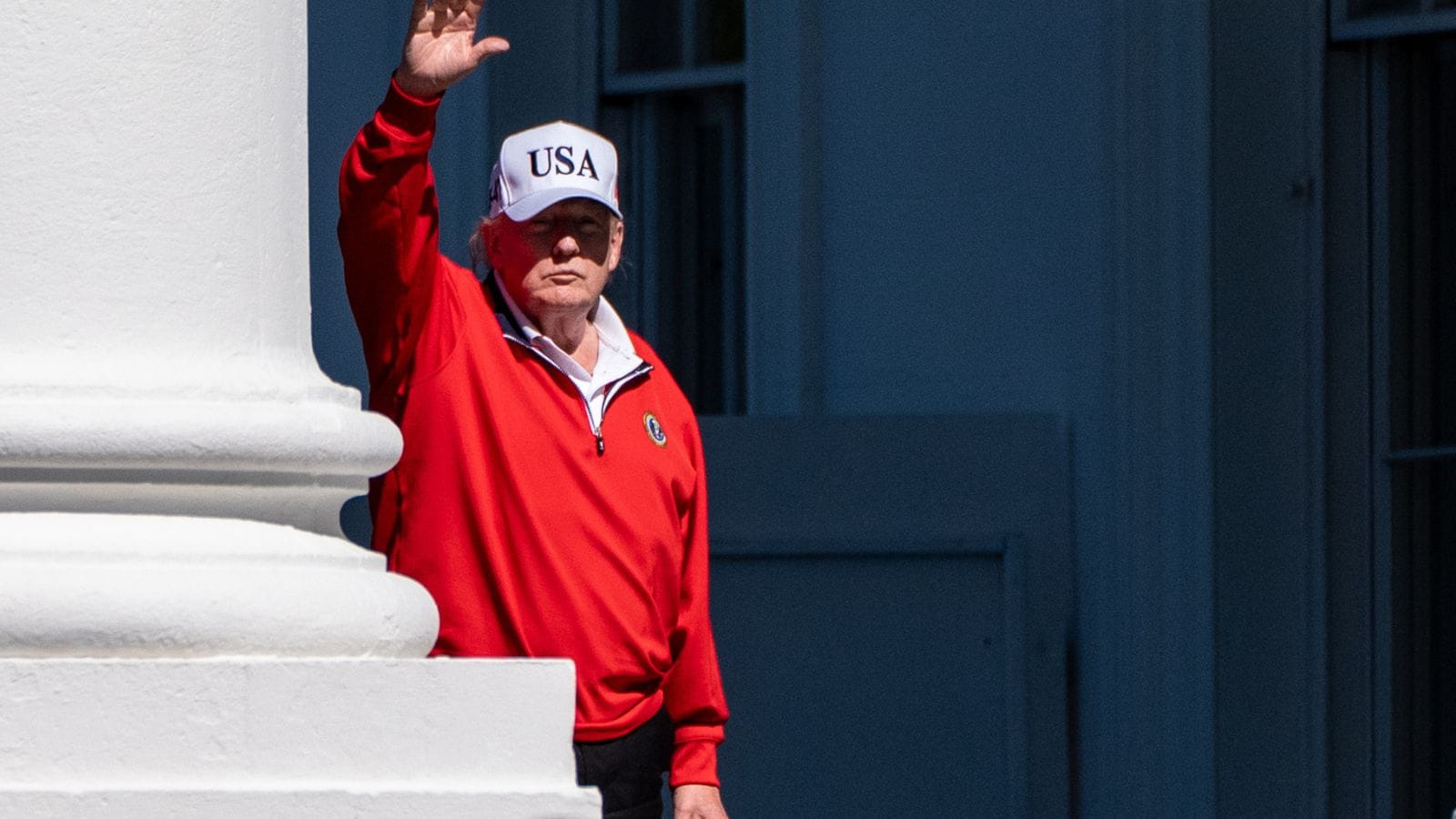
Then came the counterpunch. Donald Trump, watching the cultural centerpiece of the anniversary celebration warp into a battlefield, did not attempt to smooth over the cracks. He did not offer compromises. He took to his social media platform with a characteristic, blunt decree: "Cancel it."
If the artists would not play by the established rules, there would be no game at all.
The Friction of a Freedom Song
To understand how a birthday party for a nation turns into a political standoff, you have to look at what happens when art meets forced patriotism.
Imagine a canvas. If you tell an artist to paint whatever moves them about their home, you might get a masterpiece of grit, beauty, struggle, and triumph. If you tell that same artist exactly which colors to use, which symbols to elevate, and which political figures to flatter, the brush grows heavy. It ceases to be art. It becomes marketing.
The US Freedom 250 festival was meant to be a showcase of American excellence, but the gravity of the Trump brand proved too immense for a neutral cultural space to exist beneath it. For many of the performers booked for the event, the realization hit like a cold draft under a studio door. They found themselves cast not just as musicians, but as political symbols.
In the modern attention economy, a logo on a festival poster is an endorsement. For a mid-tier band relying on a fragile coalition of fans across streaming platforms, that endorsement can be fatal. If half your audience views the festival as a celebration of history and the other half views it as a partisan rally, stepping onto that stage is no longer a creative choice. It is a career gamble.
Consider what happens next when the pressure mounts. The text messages start flying between managers at midnight. Publicists track the trending hashtags with a sinking feeling in their chests. The financial incentive of a high-profile gig begins to look remarkably small compared to the long-term cost of a fractured fanbase.
So, they walked.
They cited scheduling conflicts. They gave vague statements about creative differences. They used the polite, bloodless language of the entertainment industry to mask a deeply human panic. They did not want to be heroes, and they certainly did not want to be martyrs. They just wanted to play music without becoming a talking point on a cable news network.
The Power of the Ultimate Veto
Donald Trump has always understood the mechanics of the spotlight better than most. He knows that in the theater of public opinion, indifference is death. Contempt can be managed; conflict can be leveraged. But a slow, draining loss of momentum is unacceptable.
When the news broke that multiple high-profile artists were quietly exiting the lineup, the narrative threatened to become one of rejection. The headlines were preparing to paint a picture of an administration snubbed by the creative class.
The response was a classic exercise in narrative dominance. By demanding the immediate cancellation of the entire event, the former president flipped the script. He transformed a series of defensive retreats by individual artists into a single, aggressive act of executive authority. It was no longer a story about artists leaving a festival. It was a story about a leader shutting down an operation that failed to meet his standards of loyalty.
"Cancel it."
Two words. They functioned as a tactical scorched-earth policy. If the celebration could not be executed on the terms originally envisioned, it would be erased entirely. The message to the cultural community was unmistakable: participation is a privilege, and dissent will result in the removal of the platform itself.
This dynamic exposes the profound disconnect between political power and cultural production. Politics thrives on consolidation, alignment, and message control. Culture relies on friction, ambiguity, and individual expression. When the two collide, politics possesses the heavy machinery to crush the venue, but it cannot force the band to play an encore.
The Ghost of Celebrations Past
This is not the first time America has attempted to throw itself a massive birthday party, nor is it the first time the guest list has caused an ideological riot.
Look back fifty years to 1976. The United States Bicentennial was a sprawling, chaotic affair. The nation was reeling from the wounds of the Vietnam War and the deep cynicism of the Watergate scandal. The government attempted to foster a sense of unified national pride through tall ships, historical reenactments, and commemorative quarters.
Yet, beneath the official red, white, and blue veneer, the culture was tearing at the seams. Counterculture artists refused to participate in corporate-sponsored patriotism. Protest songs filled the airwaves. The official celebration ran parallel to a profound, grassroots interrogation of what the country actually stood for.
The difference between 1976 and the current era is the speed and totalizing nature of the arena. In the mid-seventies, a dissenting artist could simply perform at an alternative festival down the road. The media ecosystem was fragmented enough to allow multiple, conflicting versions of American identity to exist simultaneously without crashing into one another.
Today, there is only one room. The digital town square forces every action into a binary equation. You are either with the event or against it. There is no nuance allowed on a smartphone screen, no room for an artist who loves their country but distrusts its current political leadership.
The cancellation of the Freedom 250 events represents a modern tragedy of scale. When the stakes are raised so high that any participation is viewed as total allegiance, the middle ground vanishes. The moderate country singer who just wanted to play for a patriotic crowd is forced into the same corner as the radical activist. Everyone is drafted into the culture war, whether they want to wear the uniform or not.
The Silence Left Behind
The administrative staff who spent months organizing logistics, booking venues, and coordinating security are left holding empty folders. The local economies that anticipated an influx of tourism dollars must now recalculate their projections. The stagehands, the audio engineers, the security guards—the invisible army that actually builds the infrastructure of American entertainment—lose a paycheck.
But the deepest cost is harder to quantify. It is the loss of a shared sandbox.
When cultural events are dismantled by political decree, we lose the few remaining spaces where people of differing beliefs can stand in the same mud, drink the same lukewarm beer, and look at the same stage. We are left with curated echoes. We retreat to our respective corners, listening to playlists designed specifically to confirm our existing biases, watching artists who have been thoroughly vetted for political purity.
The empty stage in Washington becomes a monument to our inability to coexist within a single narrative. It tells us that our shared history is now so toxic that we cannot even agree on how to throw a party for it.
The sun sets over the National Mall, casting long shadows across the spaces where thousands of people were supposed to gather to hear American stories told through American music. Instead, there are just the birds, the hum of distant traffic, and the cold reality of a celebration retracted. The microphones are packed away. The lights remain dark. The country turns 250 not with a chorus of diverse, clashing, beautiful voices, but with the stark, echoic quiet of a room where the door was slammed shut.