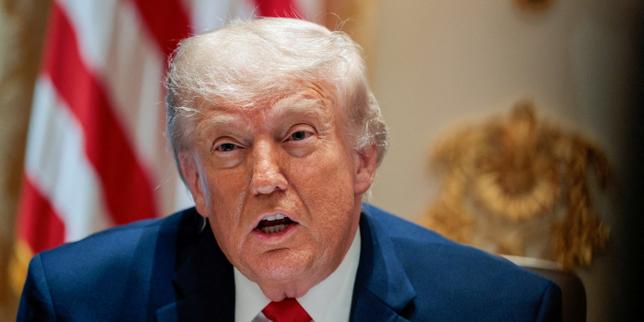
The air inside an arena right before a political rally smells of hot electronics, stale popcorn, and anticipation. It is a sensory overload designed to drown out doubt. When Donald Trump took the stage in Chesapeake, Virginia, the noise was deafening. But the weapon he chose to wield that day was not a new policy or a fresh economic statistic. Instead, he reached for something far more potent: a moment of raw, public vulnerability from the woman who had stood closest to his fiercest rival.
He mocked her. The crowd roared. Learn more on a similar issue: this related article.
Politics at this level is rarely about policy. It is about the theater of human frailty. What transpired on that Virginia stage was the latest ripple effect of a debate night that reshaped American history, viewed through the brutal lens of political opportunism.
The Confession in the Green Room
To understand the mockery, we have to look at what triggered it. Jill Biden, the former First Lady, had finally broken her silence about the June 2024 presidential debate—a night that effectively ended Joe Biden’s re-election campaign. Further analysis by The Washington Post delves into similar views on the subject.
She did not offer a polished political defense. Instead, she offered an admission that felt startlingly human, even to her critics. She admitted that she did not know what was wrong with her husband that night. She saw what the rest of the world saw. The halting speech. The vacant stare. The voice that seemed to drift away into the rafters of the CNN studio.
Imagine standing in the wings. You have known a person for decades. You have watched them command rooms, negotiate treaties, and weather unfathomable personal tragedies. Then, under the harsh glare of television lights, with 50 million people watching, you see them slip. You do not know why. Is it a cold? Is it exhaustion? Is it the weight of the world finally breaking through the armor?
Jill Biden’s admission was a rare glimpse into the terrifying isolation of the political spouse. She was not just a campaign surrogate in that moment; she was a wife watching her husband falter on the biggest stage on earth, utterly powerless to stop it.
The View from the Other Podium
But in the arena of modern politics, vulnerability is not met with empathy. It is treated as blood in the water.
Donald Trump seized on Jill Biden’s words with the instinct of a seasoned performer. To his supporters in Virginia, he replayed the moment not as a human tragedy, but as a vindication. For years, Trump had pinned the moniker "Sleepy Joe" on his opponent. It was a caricature, a playground taunt designed to stick in the minds of voters.
When Jill Biden confessed her own confusion about that night, Trump did not just claim victory; he framed her admission as the ultimate proof that his caricature was reality.
"She finally admitted she didn't know what was wrong," Trump told the shouting crowd, leaning into the microphone, letting the cadence of his voice mimic the theatrical disbelief he wanted his audience to feel. The strategy was simple but devastatingly effective. He turned the former First Lady’s honesty into a weapon against her husband’s legacy. He transformed a private moment of family anguish into a public punchline.
The Invisible Stakes of Great Power
We often treat politicians like characters in a fiction. We forget that behind the motorcades and the teleprompters, there are fragile biological realities. The 2024 debate was a stark reminder of that truth. It was the moment the illusion of permanent strength shattered.
Consider the pressure cooker of a presidential campaign. The schedule is punishing enough to break a person half Joe Biden's age. Midnight flights. Endless briefings. The constant, suffocating knowledge that a single misspoken word can trigger a global crisis or crash a stock market.
When a leader stumbles under that weight, the immediate reaction from the political machine is to spin. It was a bad cold. It was over-preparation. It was a poor sound system.
But the spin always has an expiration date. Eventually, the truth demands to be acknowledged. When Jill Biden spoke out, she was attempting to humanize a disaster. She wanted the world to know that they were not blind to what happened. They felt it too.
The real problem lies elsewhere. In the modern political landscape, once an image of weakness is burned into the public consciousness, no amount of context can erase it. The debate was not just a bad night; it was a shift in the tectonic plates of American politics. It forced a sitting president to step aside, an event almost unprecedented in modern times.
The Echo Chamber of the Arena
Back in Virginia, the applause eventually died down, but the narrative had already hardened.
Trump’s mockery of Jill Biden’s confession reveals the core mechanics of political warfare. It is not enough to win an argument; you must dismantle the opponent’s dignity. By targeting the First Lady’s admission, Trump was signaling to his base that the entire Biden era was built on a foundation of denial that even the president's family could no longer sustain.
It is easy to look at these exchanges and feel a sense of profound cynicism. We watch the highest offices in the land reduced to late-night comedy routines and stadium jeers. We see the genuine pain of a family undergoing a deeply public crisis of aging and capability, and we see that pain converted into political currency.
But this is the environment we have built. It is a theater where the lights never go down, and the audience demands a constant stream of conflict.
The debate of 2024 will be studied by historians for generations as the moment the guardrails of a presidency finally gave way. But away from the history books, in the quiet spaces between the headlines, it remains a story about a family realizing the ride was over. Jill Biden’s confession was the sound of the curtain falling. Donald Trump’s mockery was the reminder that, in politics, the audience never stops laughing, even when the tragedy is real.
The stadium lights eventually turn off. The crowds go home. The banners are packed into boxes. What remains is the memory of a man on a stage, struggling to find his words, and a woman watching from the shadows, finally admitting to herself—and to the world—that she had no answers left to give.