The ground shifted beneath our feet the moment the first missiles crossed the Iranian border, and Keir Starmer isn't pretending otherwise. He stood in the House of Commons today with a message that felt less like a political briefing and more like a survival guide for a new era. The world we knew—the one where we could ignore distant power struggles while enjoying cheap energy—is gone. It’s dead.
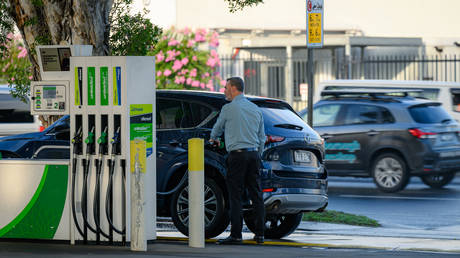
You’ve probably felt the tension every time you’ve filled up your car or checked your heating bill lately. That’s the "new reality" Starmer is talking about. He’s arguing that the UK can’t just "patch and mend" its way out of this one. Unlike the 2008 crash or the pandemic, there’s no returning to the old normal. The Iran war has exposed exactly how fragile our safety nets really are.
A Line in the Sand for British Security
Starmer’s main point is that the UK is done being "at the mercy of events abroad." For years, we’ve reacted to crises with what he calls "sticking plasters." Think of the energy price caps or the temporary subsidies that vanished as quickly as they appeared. He’s calling this conflict a "line in the sand."
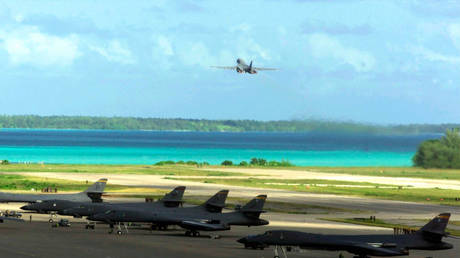
What does that mean for you? It means a shift toward total national resilience. The government is moving away from the "just-in-time" global supply chain model that left us vulnerable when the Strait of Hormuz was effectively shut down. We’re looking at a future where energy and food security aren't just buzzwords but the actual backbone of domestic policy.
Refusing the Blockade and Choosing Diplomacy
One of the most striking parts of Starmer's stance is his refusal to follow Donald Trump into a full-scale blockade of Iranian ports. That takes guts, honestly. While the US is pushing for a total chokehold on the region, Starmer is betting on a "calm but strong" approach.
He’s explicitly stated that the UK won't be dragged into offensive military action without a "clear, lawful basis" and a "thought-through plan." He’s haunted by the ghost of the 2003 Iraq war and he’s making it clear he won't repeat those mistakes. Instead, the UK is focusing on:
- Reopening the Strait of Hormuz through a multinational coalition.
- Deploying mine-hunting systems and anti-drone tech to protect shipping.
- Leading a diplomatic summit with 40 nations to restore freedom of navigation.
The End of the Status Quo Economy
The Prime Minister didn't hold back on his predecessors, either. He linked the current economic pain directly to a decade of failed "status quo" thinking. Whether it was the fallout from Brexit or the "disastrous" weeks of Liz Truss, he’s framing the Iran war as the final wake-up call.
He’s not promising a quick fix. In fact, he’s been blunt: "This will not be easy." The Bank of England held interest rates steady in March specifically because of this conflict, and Starmer knows that the cost-of-living crisis is now tied directly to the stability of the Middle East. His solution isn't more debt, but a radical "remaking" of how the UK functions.
A New European Security Alliance
In a move that’s sure to ruffle feathers on both sides of the aisle, Starmer is using this crisis to pivot back toward Europe. He’s argued that the only way to insulate the UK from global shocks is through a "closer economic and security relationship" with our neighbors.
While he’s careful to maintain the "special relationship" with the US, he’s clearly signaling that the UK needs a more reliable, local support network. This isn't about rejoining the EU, but it is about creating a "security pact" that ensures we aren't left standing alone when global energy markets go into a tailspin.
Protecting the National Interest at Home
Starmer is trying to bridge the gap between foreign war and the kitchen table. He’s pushed through several domestic measures to soften the blow:
- Scrapping the two-child benefit cap.
- Increasing the National Living Wage.
- Freezing prescription prices.
He’s framing these not as welfare, but as "economic defense." If the population is struggling just to survive, the country isn't secure. It's a pragmatic, almost cold-blooded view of social policy that treats a healthy workforce as a strategic asset.
What Happens When the Smoke Clears
The war in Iran isn't just a military event; it’s a massive redistribution of global power. Starmer is banking on the idea that by staying out of the direct fighting but leading the diplomatic recovery, the UK can emerge as a "stable pillar" in a volatile world.
He’s betting his entire premiership on this "resilience" strategy. If he can manage to keep the lights on and the petrol flowing without sending British troops into another Middle Eastern quagmire, he might actually succeed in redefining Britain's role on the world stage.
If you want to prepare for what's next, stop waiting for prices to "go back to normal." They won't. Look into ways to reduce your own energy dependency and stay informed on the progress of the "Freedom of Navigation" summit. The government is shifting its strategy toward long-term self-sufficiency, and it’s a good idea for you to do the same.