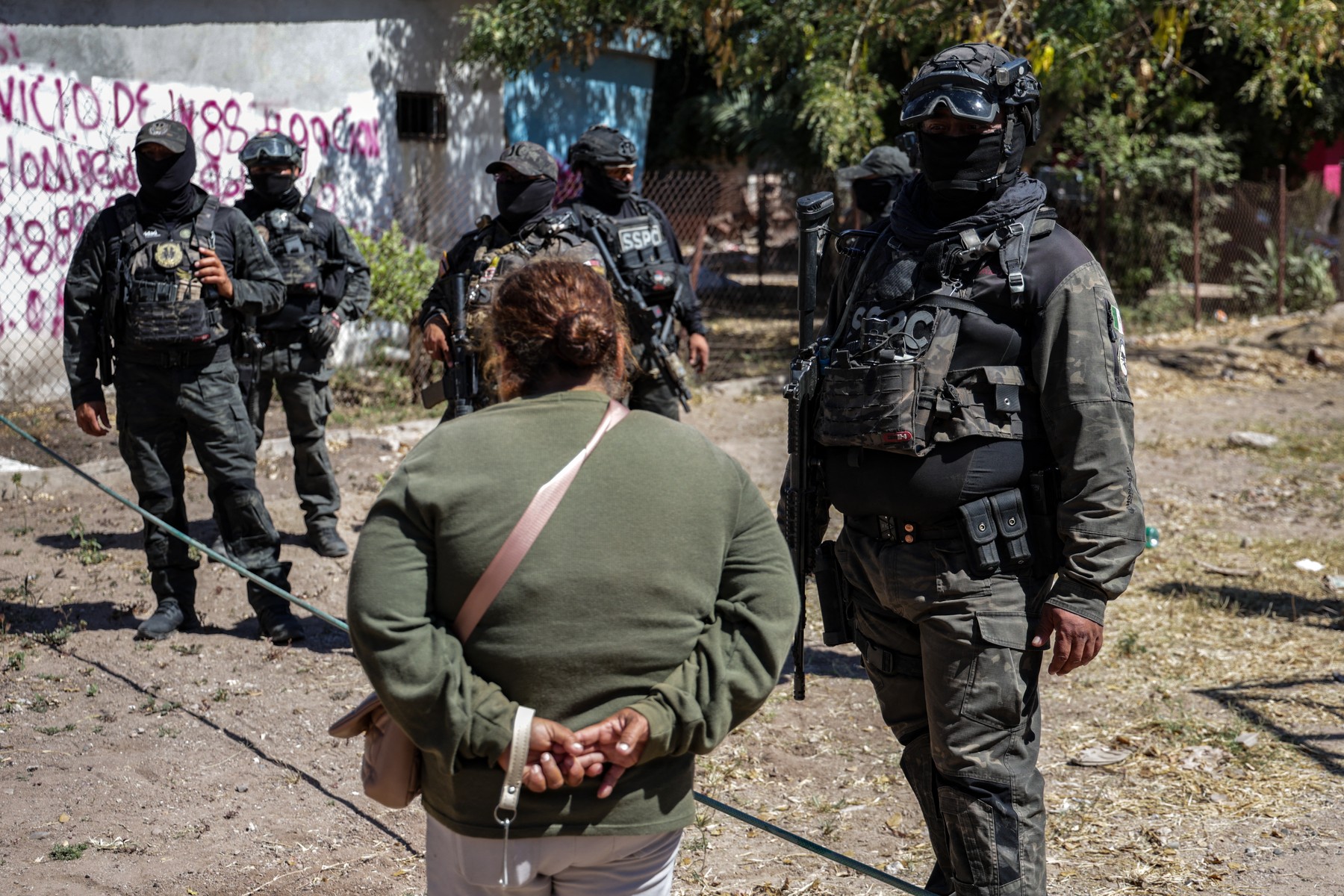
The return of Sinaloa Governor Rubén Rocha Moya to office following federal drug trafficking indictments by the United States Department of Justice represents a diagnostic moment in the U.S.-Mexico relationship. This event signals that the traditional diplomatic architecture, which separated economic integration from security enforcement, has been superseded by a zero-sum conflict over state sovereignty. The core of this issue is not merely criminal; it is a manifestation of state capture where political legitimacy is predicated on domestic nationalist narratives rather than international legal alignment.
The Mechanism of State Capture
The U.S. indictment against Rocha alleges a systematic exchange of public authority for operational impunity. In political science terms, this is state capture—a form of systemic political corruption where private interests significantly influence a state's decision-making processes to their own advantage.
The U.S. prosecution framework suggests three pillars of this captured architecture:
- Elective Interference: The alleged coordination with the Chapitos faction to influence electoral outcomes through ballot theft and the intimidation of opposition, effectively privatizing the democratic process.
- Institutional Permissiveness: As Governor, Rocha purportedly allowed the cartel to populate state-level administrative and law enforcement roles with corrupt actors, creating a self-sustaining loop of protection.
- Political Extraction: The extraction of rents—bribes and political support—to fund party machinery and solidify the dominance of the Morena party in regional strongholds.
When a sitting governor faces charges including narcotics importation conspiracy and the possession of military-grade weaponry, the state’s monopoly on violence is effectively compromised. The return of the indicted official to the governorship, notwithstanding an ongoing federal investigation, indicates that the current administration views the U.S. legal intervention as a violation of sovereignty rather than a standard judicial process.
The Collapse of the Silo Framework
For decades, U.S.-Mexico relations functioned under a compartmentalized model. Trade negotiations, energy policy, and security cooperation occupied distinct bureaucratic lanes. The indictment of a sitting governor—a first in bilateral history—collapsed these silos.
The U.S. strategy now treats security performance as a mandatory component of economic integration. By linking legal accountability for cartel-linked officials to the broader bilateral agenda, the White House has effectively elevated the fight against organized crime from a regional police matter to a condition for continued trade stability.
The Mexican government's response highlights a divergence in operational logic:
- The U.S. Perspective: Evidence-based prosecution targeting the nexus of government and illicit syndicates.
- The Mexican Perspective: Narrative-based defense framing the prosecution as foreign interference and a targeted attack on the leftist movement.
The Diplomatic Bottleneck
Rocha’s resumption of his duties creates a tangible friction point. His return, following an internal investigation that he claims exonerated him despite contradictory federal reports, confirms that the Mexican Attorney General’s Office and the U.S. Department of Justice are currently operating on different evidentiary standards.
This creates a high-cost environment for the Sheinbaum administration. By implicitly or explicitly permitting the return of an official under active U.S. indictment, the federal government risks further erosion of trust with Washington. This friction is occurring just as the United States-Mexico-Canada Agreement enters critical review phases. When security cooperation becomes the primary variable in trade negotiations, the stability of the entire supply chain—from automotive manufacturing to agricultural exports—becomes susceptible to these diplomatic tremors.
The Political Economy of Defiance
Why would a political party risk the fallout of retaining an indicted official? The answer lies in the domestic utility of sovereignty. Defiance against U.S. indictments provides a potent rallying cry for internal political bases. By casting the accusations as "foreign machinations," the administration maintains its nationalist credentials.
However, this tactic possesses a distinct shelf life. As the U.S. scales up pressure through economic mechanisms or additional targeted sanctions, the cost of protection will eventually exceed the value of the political support provided by the state-level capture.
Strategic Forecast and Actionable Outlook
The bilateral relationship is shifting toward a model of conditional engagement. Future U.S. policy will likely bypass traditional diplomatic channels, favoring direct financial or logistical sanctions on individuals rather than seeking broad federal cooperation, which has proven ineffective in cases of high-level state capture.
For stakeholders managing cross-border interests, the following realities are fixed:
- Operational Risk: Regulatory and legal environments in states where governance is compromised will remain volatile. Expect sudden policy shifts in regional licensing, security staffing, and infrastructure oversight.
- Compliance Divergence: Multinational corporations must prepare for a bifurcation of legal compliance. Adhering to federal Mexican laws may no longer satisfy U.S. FCPA (Foreign Corrupt Practices Act) requirements if the local governance is deemed under the influence of sanctioned entities.
- The Pivot Point: The next indicator of structural shift will not be a diplomatic statement, but the status of future bilateral trade reviews. If security cooperation continues to fail, trade agreements will increasingly include explicit clauses linking market access to measurable, independent verification of law enforcement integrity.
The return of the governor to power serves as an empirical confirmation that the old status quo is dead. Strategy in this region now requires navigating a landscape where the rule of law is a variable, not a constant.