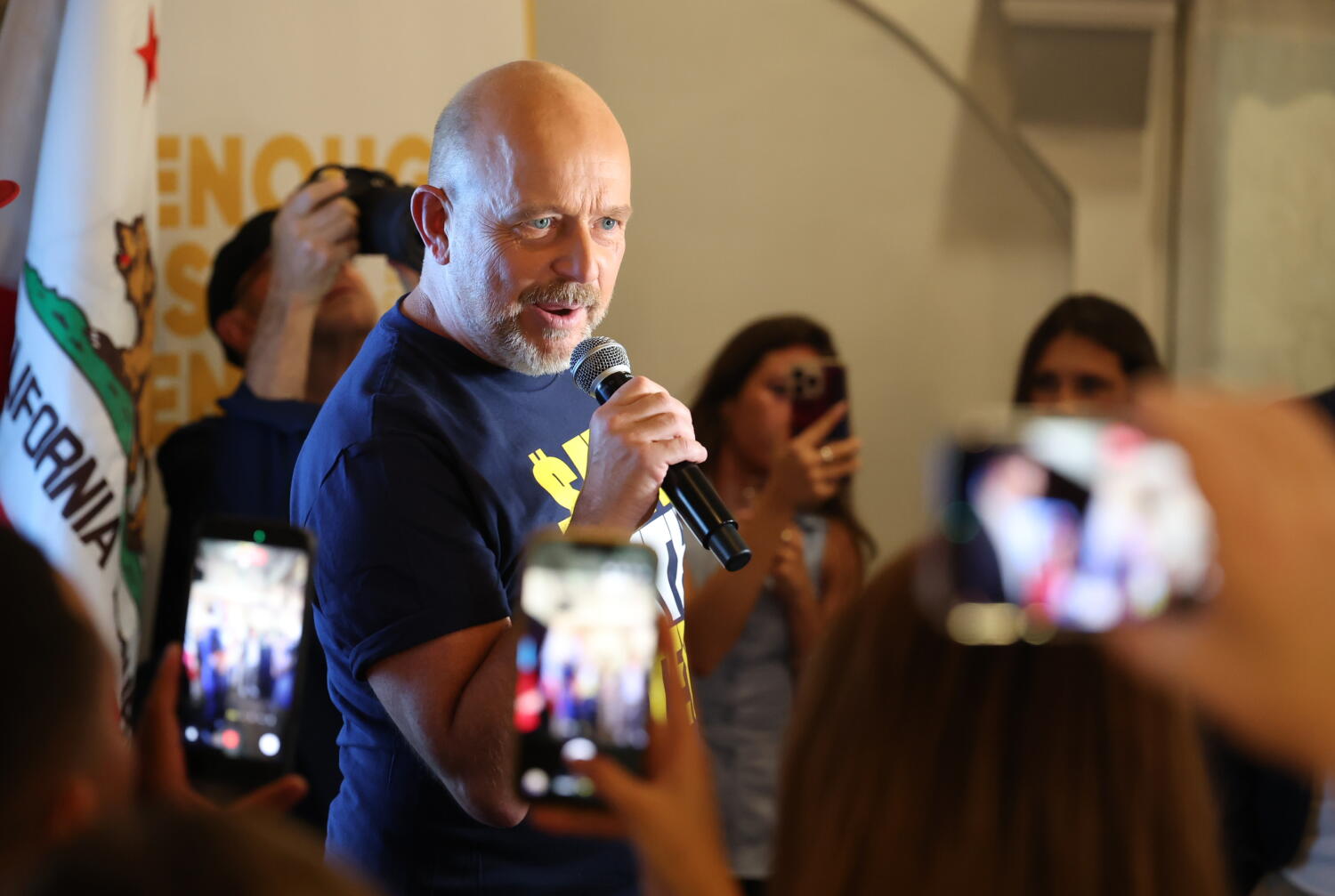
Political ads are supposed to win votes, not make your own allies cringe in public. Yet that's exactly what happened when Steve Hilton's campaign dropped a provocative, sexually suggestive ad that immediately drew fire from prominent voices on the right.
If you've worked around political messaging for even a single election cycle, you know the golden rule of campaign media. Shock value works great when it unites your base against a common opponent, and it fails miserably when it forces your own coalition to defend something they find embarrassing.
Hilton, a former Fox News host and longtime political strategist who previously advised former British Prime Minister David Cameron, built his media brand on sharp, populist commentary. Moving from cable news punditry into an active political campaign requires a completely different playbook, though. What plays well as a viral segment late at night often lands with a thud when voters are deciding whether to trust you with actual governance.
What Happened With the Steve Hilton Campaign Ad
The controversy erupted over a campaign spot tied to Steve Hilton's political bid that leaned heavily into sexually suggestive imagery and double entendres to grab attention. Instead of generating unified applause from conservative media and Republican operatives, the ad triggered immediate pushback from political allies on the right.
Critics within the conservative movement didn't hold back. Social conservatives, family-values advocates, and traditional GOP strategists argued that relying on overt sexualization undermined the very cultural standards Republicans claim to defend. When your political platform emphasizes family stability, moral restraint, and pushing back against hyper-sexualized pop culture, running an ad that looks like a late-night cable commercial creates an instant credibility problem.
The backlash wasn't just quiet grumbling behind closed doors either. Allies took to social media and conservative commentary outlets to distance themselves from the spot, calling it juvenile, counterproductive, and beneath the dignity of a serious campaign.
The Fine Line Between Populist Edge and Cheap Shock Value
I've watched dozens of insurgent candidates try to break through crowded primaries by being the loudest, most provocative voice in the room. The logic is simple enough on paper. Earned media is free, outrage drives clicks, and if everybody is talking about your ad, you don't have to spend millions buying broadcast airtime.
Here's the catch. Attention isn't currency if the people watching lose respect for you.
There's a massive difference between a hard-hitting populist ad that channels voter anger over the economy or border security and an ad that uses cheap sexual innuendo just to make people stop scrolling. The first builds trust. The second makes swing voters roll their eyes and forces your own supporters onto the defensive.
Why Conservative Allies Pushed Back So Hard
To understand why the reaction on the right was so swift, you have to look at the broader cultural battle Republicans have been fighting over the last several years. Conservative leaders have spent countless hours criticizing mainstream entertainment, corporate advertising, and progressive cultural trends for eroding traditional norms.
When a candidate aligned with the right uses the exact same provocative tactics they routinely condemn in Hollywood or corporate marketing, it hands opponents an easy accusation of hypocrisy.
Several distinct fractures showed up in the fallout from the Hilton campaign ad:
- Social conservatives felt betrayed. For voters motivated primarily by religious faith and traditional family values, sexually suggestive political advertising isn't edgy or clever. It's offensive.
- Establishment strategists saw an unforced error. Campaign veterans know that primary controversies follow candidates into general elections, where suburban and independent voters already view outspoken populists with skepticism.
- Media allies had to scramble. Friendly commentators who normally boost conservative candidates suddenly had to decide whether to defend the ad, ignore it, or join the criticism.
Honesty matters in politics, even when it's uncomfortable. Most of the operatives defending the spot privately admitted it was a gamble designed purely for social media metrics, not persuasion.
The Viral Trap in Modern Campaign Strategy
Campaign teams today face enormous pressure to feed the algorithm. Platforms like X, Instagram, and TikTok reward outrage, humor, and boundary-pushing visuals far more than a two-minute policy explanation about tax rates or regulatory reform.
Because of that incentive structure, younger digital staffers often pitch concepts meant to "break the internet" rather than persuade an undecided voter in a grocery store parking lot.
I've seen this play out repeatedly in campaign war rooms. A digital team produces a flashy, provocative video, watches the view count climb into the millions within hours, and declares victory. Meanwhile, internal polling shows zero movement among actual likely voters—or worse, a measurable drop in favorability among older demographics who actually show up to cast ballots.
Views don't equal votes. Never have, never will.
What Actually Moves Voters in Crowded Races
When candidates like Steve Hilton enter high-profile races—such as California's gubernatorial contest, where Republican contenders already face an uphill structural climb—every single message has to work twice as hard. You can't afford to alienate half of your natural base before the primary is even underway.
Successful challenger campaigns usually stick to three disciplined habits:
- Keep the focus on the voter's kitchen-table pain. Housing costs, energy prices, crime, and failing schools are issues that unite fiscal hawks, social conservatives, and frustrated independents alike.
- Make the contrast about competence, not shock value. Voters tired of political theater want someone who looks capable of fixing broken systems, not another performer auditioning for cable news clips.
- Test creative outside the digital echo chamber. If an ad only makes sense to chronically online staffers, kill it before it ever sees the light of day.
How Political Campaigns Recover From Messaging Backfires
Once an ad draws condemnation from your own side, doubling down rarely works. Voters can smell stubbornness from a mile away, and fighting with your own allies wastes precious time and fundraising bandwidth that should be aimed at your actual political opponents.
The smartest move after a misfire like the Hilton ad controversy is a fast, quiet pivot back to substance. You don't need a dramatic public apology tour that keeps the story alive for another news cycle. You drop the provocative gimmick, roll out concrete policy proposals on the economy or public safety, and let disciplined messaging replace the noise.
If you're evaluating political campaigns—or running communications for any high-stakes organization—treat this episode as a clear warning. Provocation without discipline doesn't build a winning coalition; it just gives your critics a megaphone and leaves your allies wishing you had stayed on message.