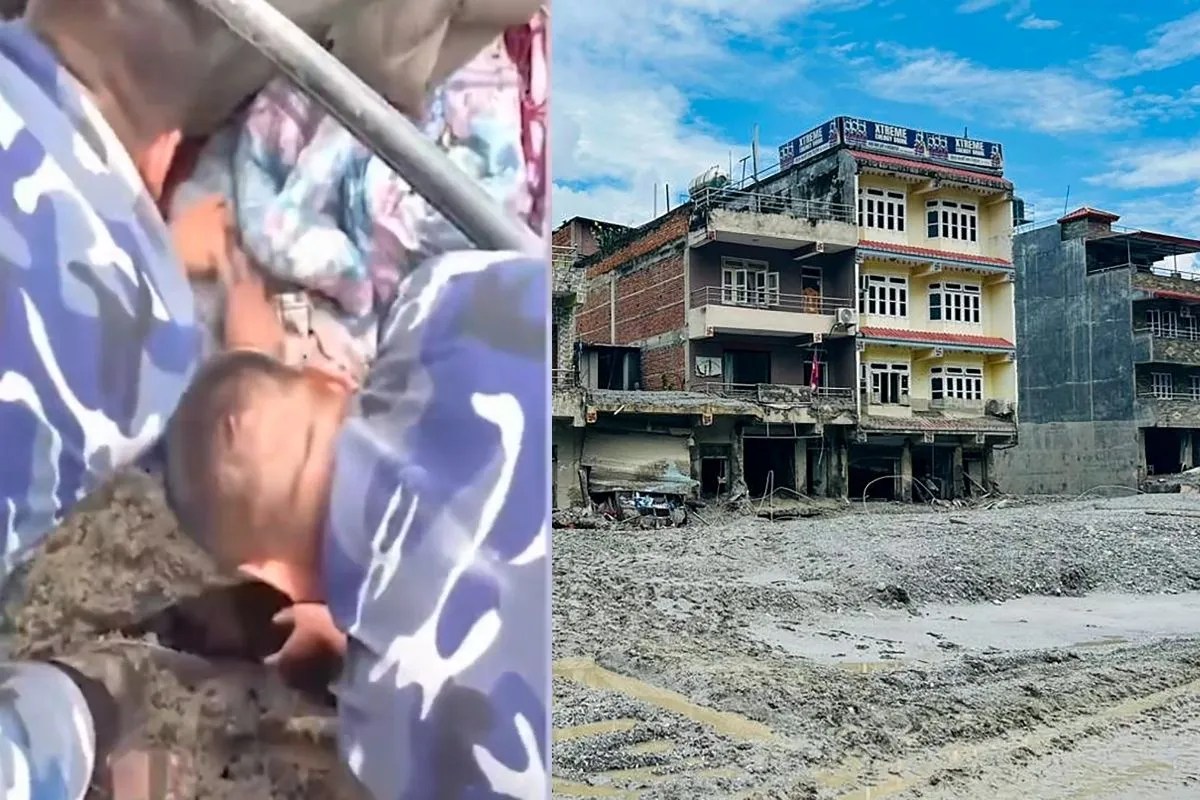
The lazy consensus of global news agencies loves a clean narrative. A glacier collapses on Lirung Peak, an ice-rock avalanche barrels down into the Bhote Koshi and Trishuli river systems, and the headline writes itself: mother nature strikes back, another tragic casualty of abstract global warming. Seven hundred and fifty dead, over three thousand missing, and an entire apparatus of international media wringing its hands over the fragile cryosphere.
It is a comforting deception. Blaming the sky absolves the engineers, the financiers, and the bureaucrats who turned volatile Himalayan gorges into industrial sacrifice zones.
I have spent years watching regional development boards treat geological fault lines like real estate opportunities. When you wedge massive run-of-the-river hydropower tunnels directly into active tectonic zip-codes and narrow river choke-points, you are not harnessing clean energy. You are building a series of high-stakes traps.
To understand why the death toll on the Nepal-Tibet border reached this horrific scale, look past the initial ice fracture. The real catastrophe is structural hubris.
The Hydropower Blind Spot
Every disaster report highlights the hundreds of workers trapped inside subterranean powerhouse tunnels. This is framed as an unfortunate logistical hurdle of modern rescue operations. It is not. It is the predictable outcome of placing industrial infrastructure below unstable high-altitude glacial lakes without adequate kinetic buffers.
Run-of-the-river projects depend on the continuous, unmitigated flow of water through steep, constricted valleys. By tunneling deep into the flanks of riverbeds that routinely experience glacial lake outburst floods, developers create localized hydraulic funnels. When a wall of mud, rock, and ice travels down a canyon at terminal velocity, these tunnels cease to be power generation sites. They become concrete tombs.
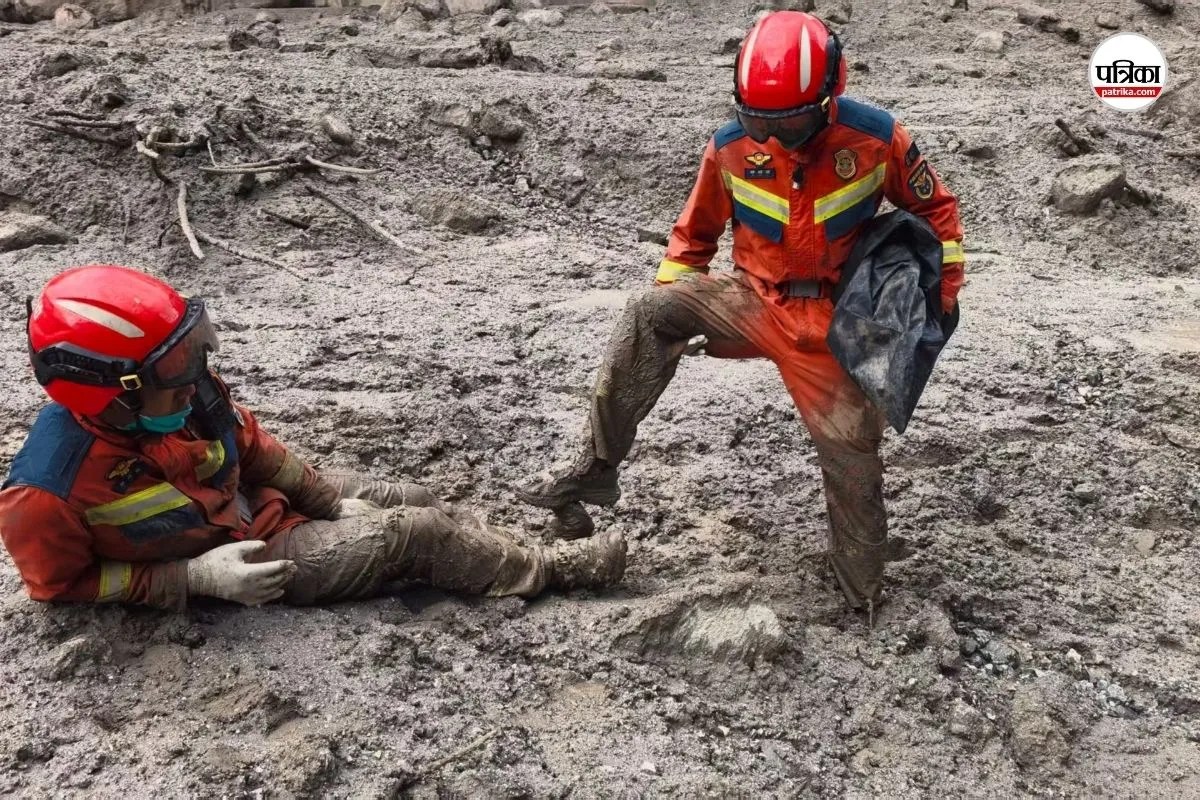
We are told that foreign experts are flying in with specialized heavy-lift gear and DNA kits to manage the grim aftermath. Yet nobody is asking why thousands of construction and operations personnel were housed and stationed in high-risk alluvial zones that lack even basic real-time telemetry separation from glacial headwaters.
The standard defense from energy conglomerates is that energy demands outweigh geographic risk. That is an economic calculation, not an act of God. When risk is externalized onto low-wage laborers and local villagers while profits are centralized in urban capitals, disasters stop being natural anomalies and start becoming systemic features of the model.
The Geography of Neglect
The border region between Nepal and Tibet is one of the most dynamic, violently shifting landscapes on the planet. The Indian tectonic plate continues to drive beneath the Eurasian plate at a rate of roughly two inches per year. Valleys here are carved by constant erosion, landslides, and prehistoric collapses.
To drop concrete structures, worker barracks, and access roads directly into these active drainage pathways requires a level of arrogance that defies basic geology. When local authorities issue frantic warnings about rising river levels and secondary dam formations from landslide debris, they are reacting to a geography that has been artificially choked by decades of bridge-building, road-widening, and valley-narrowing.
Imagine a scenario where every infrastructure project in the Himalayas was subjected to a mandatory fifty-year hydrological reset, forcing developers to factor in catastrophic cryosphere failures rather than historical baseline flows. The current economic viability of these remote plants would evaporate instantly. That is precisely why it never happens.
Dismantling The Crisis Response Theater
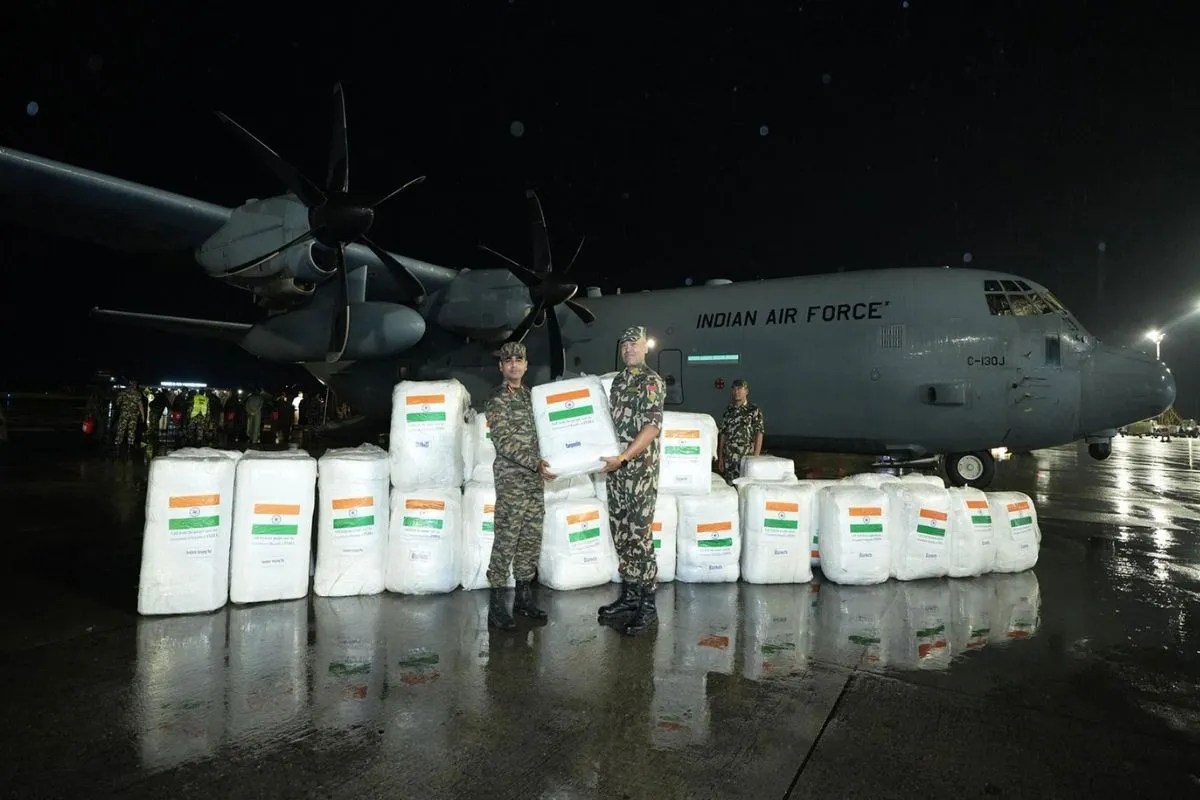
When the inevitable occurs, the response follows a predictable script. International donors pledge millions, local disaster authorities deploy tens of thousands of security personnel, and state media broadcasts images of heroic high-altitude airdrops.
Meanwhile, basic forensic capacities are overwhelmed. Unidentified bodies are buried in mass graves because local hospitals lack basic refrigerated storage. Families spend days wandering between morgues and riverbanks, searching for remnants of relatives who vanished into commercial tunnels.
This is not a failure of rescue equipment. It is a failure of prioritization. Governments spend millions on flashy emergency appeals and external public relations exercises while underfunding baseline community-level early warning systems that could give villagers twenty precious minutes to run uphill.
The obsession with climate change as the sole culprit acts as a get-out-of-jail-free card for regional planners. Yes, glacial instability is increasing. Yes, warming temperatures alter high-altitude dynamics. But a glacier collapsing into an empty wilderness is a geological event. A glacier collapsing into a poorly sited industrial corridor with thousands of unprotected workers is a human-made catastrophe.
Stop accepting the weather as an excuse for structural incompetence. Until liability attaches directly to the planners who build industrial pipelines in the path of known ancient torrents, the mountains will keep collecting the debt.