The "Dream Home Horror Story" Myth
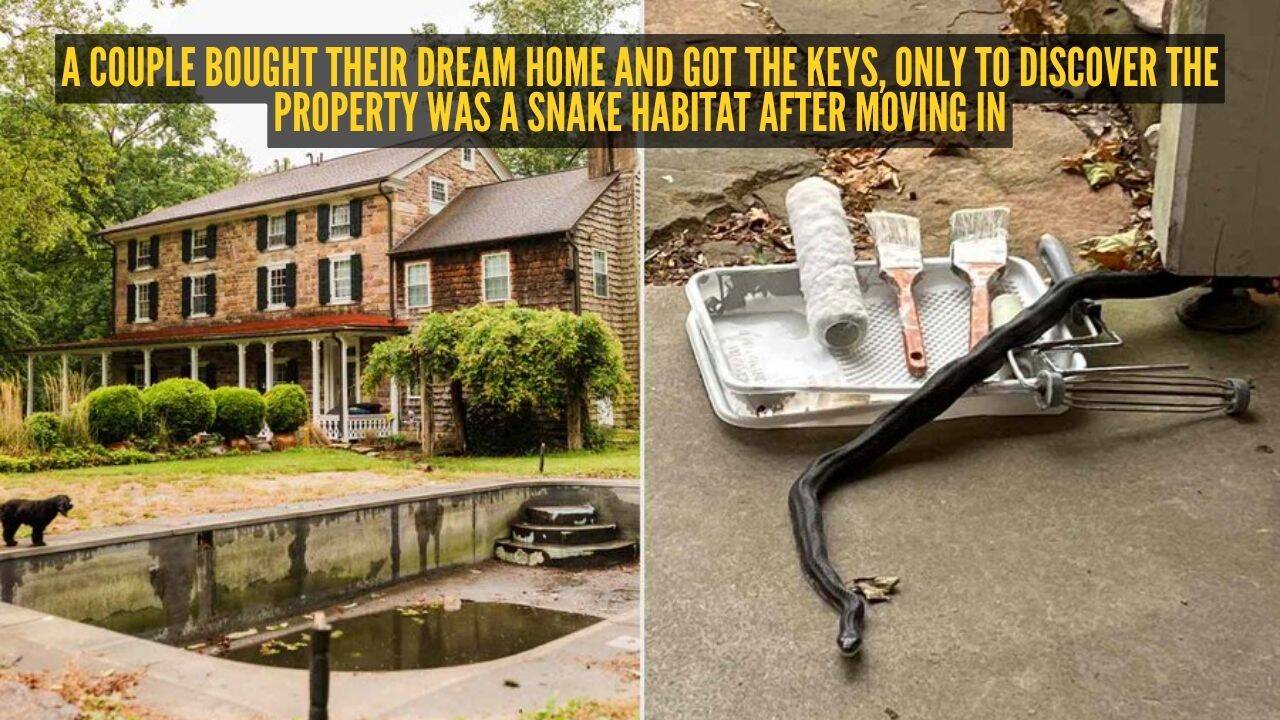
Every few months, the internet falls in love with the same sensationalized real estate story. A starry-eyed family buys a house, turns the key, moves in, and discovers the floorboards are crawling with garters, copperheads, or bullsnakes. The media frames it as an unmitigated tragedy—a financial nightmare where innocent buyers were cheated out of a tranquil suburban life.
That narrative is completely backwards. Building on this topic, you can also read: Why the No. 2 Pencil Became America’s Most Famous Writing Tool.
If you buy a house riddled with snakes, you didn't get scammed by a seller. You got outsmarted by basic ecosystem dynamics. More importantly, treating serpent-occupied property like a toxic waste site is the fastest way to ruin a home's structural and ecological integrity.
I’ve evaluated properties that buyers tried to "fix" using scorched-earth pest control. They dumped thousands of gallons of chemical deterrents into foundation cracks, ripped up native landscaping, and spent tens of thousands on aggressive trapping. Two years later? Their foundations were compromised by unchecked rodent colonies, their soil was poisoned, and their property values tanked worse than if they’d left the reptiles alone. Observers at Glamour have shared their thoughts on this matter.
The real estate market preaches pristine, sterilized perfection. Real life operates on biological reality.
What the Media Misses: The Rodent Equation
Here is the inconvenient mechanical truth: snakes do not colonize a structure without a massive, pre-existing food source.
They don't care about your marble countertops or your open-concept kitchen. They care about calorie density. If you have fifty snakes living in your walls, crawlspace, or foundation, you didn't buy a snake house. You bought a rat resort that happened to have a biological cleanup crew already deployed on-site.
The Math Behind the Apex Predator
- A single adult black rat snake consumes dozens of rodents every year.
- A localized population of five to ten snakes eliminates hundreds of disease-carrying pests without a single drop of neurotoxic bait.
- Rodents destroy electrical wiring, chew through PEX piping, and ruin insulation, causing tens of thousands in hidden structural damage.
- Snakes do zero structural damage. They do not chew wood, they do not gnaw wires, and they do not dig through dry wall.
When homeowners panic and eradicate the snake population overnight, they create a biological vacuum. Rodents breed exponentially faster than reptiles. Within six months, the snake-free "dream home" becomes a vector for hantavirus, chewed wiring, and attic ruin.
You killed the security guards and handed the keys to the burglars.
Why Home Inspections Fail to Catch Them
People love to sue inspectors when a house turns out to be an hibernaculum. It's a waste of legal fees.
Standard home inspections are visual, non-invasive spot checks. An inspector walks through, checks if the outlets are grounded, tests the HVAC, and looks for visible water damage. They are not wildlife biologists, and they are not tearing down sheetrock to check for overwintering reptiles.
Snakes are masters of thermal efficiency. During cold months, they seek out a hibernaculum—a deep, subterranean cavity below the frost line where temperatures stay stable. Modern home foundations, particularly older stone basements or improperly sealed slab-on-grade builds, inadvertently mirror natural limestone caverns.
If you bought a house over a hibernaculum in November, no inspector on earth will spot it until the ground warms up in April. That isn't fraud. That's seasonal biology.
The Chemical Lie Sold by Pest Control
When panic sets in, buyers turn to the pest control industry. This is where money goes to die.
Most commercial "snake repellents" rely on naphthalene (the active ingredient in mothballs) or sulfur. The science on this is clear: they do not work. Dozens of peer-reviewed studies have demonstrated that snakes simply crawl over or around these barriers once the scent dissipates, which takes mere days in rain or high humidity.
+------------------------+-------------------+--------------------+
| Method                 | Est. Cost         | Long-Term Success  |
|------------------------|-------------------|--------------------|
| Chemical Repellents    | $500 - $2,000/yr  | < 5% (Temporary)   |
| Trapping & Relocation  | $1,500 - $5,000   | 10% (Vacuum Effect)|
| Exclusion & Sealing    | $3,000 - $8,000   | 95% (Permanent)    |
+------------------------+-------------------+--------------------+
Dumping toxic chemicals around your perimeter doesn't drive snakes away; it poisons the groundwater, kills beneficial soil organisms, and risks the health of pets and children.
How to Actually Fix a Snake-Infested Property
If you find yourself holding the deed to a reptile habitat, stop crying on social media and start executing physical exclusion mechanics.
1. Starve Them Out First
Eliminate the rodents. If you remove the calorie source, the snakes will leave on their own to find better hunting grounds. Secure all trash, eliminate standing water, store animal feed in airtight metal containers, and eradicate indoor rodent populations using mechanical traps—never poison, which can secondary-poison the predators you actually want around.
2. Seal the Envelope
Snakes can fit through an opening the size of a quarter. Walk your perimeter with a tube of 100% silicone caulk and a roll of 1/4-inch galvanized hardware cloth.
- Seal every gap where utility lines enter the foundation.
- Cap chimney flues with mesh.
- Replace rotted sill plates and weather stripping.
- Cover crawlspace vents with heavy-duty metal mesh, not plastic.
3. Alter the Microclimate
Snakes love clutter because clutter provides security and temperature control. Clear brush piles, stack firewood at least 18 inches off the ground and away from the foundation, and keep lawn edges trimmed. You don't need to pave the yard; you just need to eliminate the cover between the yard and your exterior walls.
The Catch: It Takes Time
This approach is not a 24-hour fix. Physical exclusion and habitat modification require manual labor, patience, and precise execution. You will likely see snakes for another season while the local ecosystem rebalances itself.
If you want a sterile box where nature never touches you, move to a high-rise apartment on the 40th floor. If you choose to buy a single-family structure sitting on actual earth, accept that you share an address with local fauna.
Stop treating native wildlife like a defect in title. Seal your foundation, clear the rodents, and let the snakes do the dirty work for free.