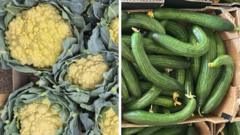
Food media wants you to feel morally superior for buying sun-scorched cauliflowers and knobbly potatoes. The narrative is tidy, comforting, and entirely detached from how agriculture actually operates. You are told that climate change creates deformed, sunburned, undersized produce, and that purchasing these cosmetic rejects makes you an eco-warrior fighting food waste.
It is a fairy tale for people who have never set foot on a commercial farm.
Let us dismantle the feel-good fiction. Buying that bronze-tinted, sun-stressed brassica does not disrupt global food systems. It does not reverse carbon emissions. Mostly, it just rewards sloppy crop management and shifts the cost of extreme weather down to the consumer while corporate margins stay pristine.
The Aesthetic Trap of Climate Marketing
The lazy consensus claims that abnormal weather forces farmers to throw away millions of tons of edible food solely because of looks. Retailers jump on this bandwagon, packaging bruised apples and twisted carrots as quirky, eco-friendly lifestyle choices.
I have watched supply chains absorb millions of pounds of produce. The reality is far less romantic than a farmers market stall.
Crops deformed by heat stress or drought do not magically appear on supermarket shelves because grocers suddenly found their conscience. They appear because margins tighten, and distributors need to monetize product that would otherwise rot or get disked back into the dirt. When temperatures spike, plants suffer physiological changes. Cauliflower curds yellow and loosen when exposed to direct sun without adequate leaf cover. Potatoes knobble because erratic moisture causes uneven cellular division during tuber bulking.
These are not badges of honor. They are symptoms of biological stress.
When you buy them at a premium because they carry a cute label about beating the heatwave, you are paying extra for a defect. Retailers love nothing more than turning a lower-grade commodity into a premium hipster SKU.
The Nutritional Distortion Nobody Mentions
Proponents of heatwave veg argue that stressed plants produce more phytochemicals, defending themselves against UV rays and heat by pumping out antioxidants.
Technically, they are not wrong. Plant physiology dictates that secondary metabolites often spike under environmental stress. Drought-stricken wine grapes concentrate sugars and phenols. Sun-battered leaves generate protective compounds.
Stressed plants do not magically transform into superfoods. More often, they become woody, bitter, and fiber-dense.
Ask any chef who has tried to roast a heat-stressed cauliflower that missed its canopy development. The water content drops, the cellular structure tightens unevenly, and the flavor profile skews sharp and sulfurous rather than nutty and sweet. You are trading culinary performance for a narrative.
Furthermore, consistency matters in professional kitchens and home cooking alike. When moisture fluctuates wildly during a heatwave, dry matter accumulation in root vegetables becomes erratic. You end up with potatoes that cook unevenly—raw in the middle while the outside turns to mush. Pretending this is a desirable culinary frontier is gaslighting the consumer.
Why Food Waste Statistics Are Weaponized Against You
We hear the apocalyptic figures constantly. A third of all food produced is lost or wasted. Consumers nod solemnly, feeling guilty for tossing a moldy cucumber, and immediately head out to buy ugly vegetables to atone for humanity's sins.
This statistic is a blunt instrument used to obscure structural inefficiencies in logistics, cold-chain failures, and rigid supermarket cosmetic standards that retailers themselves created.
The real waste does not happen primarily at the retail or consumer end in wealthy nations. It happens in the field during harvest when labor shortages hit, or during transit when temperature logs fail. Pushing warped potatoes onto trendy subscription boxes does not dent the macro-level waste statistics. It creates a niche market that makes urban professionals feel virtuous while industrial-scale waste chugs along uninterrupted in the background.
If supermarkets genuinely cared about waste caused by heatwaves, they would relax their rigid wholesale grading standards permanently instead of treating ugly produce as a limited-edition marketing campaign during July droughts. They would accept wider tolerances for size and shape year-round, rather than exploiting climate anomalies for seasonal PR.
The Cost of Romanticizing Agronomic Failure
There is a dark side to cheering on agricultural distress. When extreme weather becomes the baseline, normalizing substandard yields masks the urgent need for structural adaptation.
Farmers do not want heatwaves. They want resilient soil structures, efficient drip irrigation, shade-netting infrastructure, and heat-tolerant cultivars bred through legitimate agronomic science. When we romanticize knobbly spuds and yellowed cauliflowers as charming quirks of a changing climate, we normalize failure. We create a cultural cushion that lets policymakers off the hook for failing to invest in agricultural modernization, water management, and soil carbon sequestration.
Think about the labor economics. Harvesting irregular, heat-stressed produce takes more time. Sorting knobbly potatoes requires manual intervention that automated grading lines struggle with. Who absorbs that labor cost? Often, it is the grower, squeezed between fixed supermarket buying prices and rising input costs. Buying their compromised yield at a discount does not save their farm; it locks them into a cycle of producing subpar yields for buyers who treat their distress as a novelty.
What You Should Do Instead
If you want to make a real impact on food systems, stop falling for aesthetic marketing hooks designed to empty your wallet for B-grade ingredients.
- Buy direct from regional growers. Support farms that invest in soil health and microclimate management, not distributors rebranding crop failures as lifestyle statements.
- Focus on preservation. Learn to pickle, ferment, and pressure-can. Real food waste reduction happens in your kitchen through preservation techniques, not by paying extra for a sunburned brassica.
- Demand systemic transparency. Push retailers to publish their actual shrink rates and grading standards rather than hiding behind greenwashed marketing campaigns about ugly food.
The next time you see a display of sun-baked vegetables marketed as climate heroes, look past the rustic signage. You are not saving the planet. You are buying a marketing department's excuse for a bad harvest. Stop romanticizing agricultural stress and start demanding a food system that actually works.