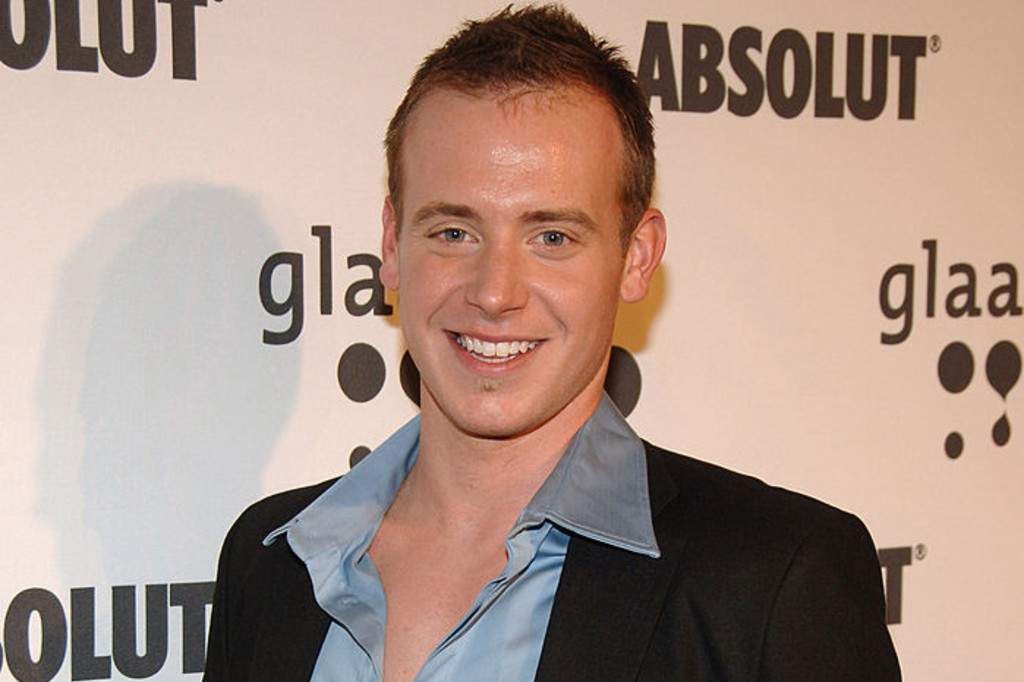
The internet loves a tragic milestone. When a former champion of MTV’s grueling obstacle franchise passes away at forty-four, the digital machinery immediately whirs into action.
Type out the memorial pieces. Gather the quotes from former castmates. Post the archival clips of physical endurance.
Everyone wants to play the role of the grieving fan base, mourning a person they never actually met.
The lazy consensus across every entertainment blog is simple. We treat reality television casualties as cautionary tales about the dark side of fame, or we reduce complex human lives down to highlight reels of past athletic victories.
Both approaches miss the mark entirely.
Tyler Duckworth’s death at forty-four in North Dakota—away from the flashbulbs, working quietly as a middle school teacher—exposes the fundamental flaw in how the public consumes media personalities.
People look at a man who won Cutthroat and Rivals, saw him hugging old castmates at a fan convention weeks prior, and tried to map a clean narrative arc onto a messy, unpredictable human existence.
That is not how reality works.
Let’s strip away the nostalgia. The entertainment industry manufactures a specific type of intimacy. When you watch someone sweat, scream, scheme, and win on television for six seasons, your brain tricks you into ownership. You feel like you know them.
Then they leave the soundstages behind, move to the Midwest, and trade camera lenses for chalkboards.
The public reacts with shock when the curtain drops permanently, acting as if the person owed them a continuous broadcast of their middle-aged peace.
Imagine a scenario where fans stopped treating reality TV alumni as characters in an ongoing soap opera and started recognizing them as ordinary individuals who simply took a very strange detour into national broadcasting during their twenties.
The shock value surrounding these sudden deaths stems from a collective delusion. Society builds an image of eternal youth based on old rerun syndication.
When a man who once carried partner weight across a grueling final crosses paths with mortality in his mid-forties, headlines treat it like a glitch in the simulation.
It is not a glitch. It is biology.
The physical toll of high-intensity competition shows does not vanish just because the cameras turn off. Years of extreme endurance strain, paired with the psychological whirlygig of post-show anonymity, leave silent marks.
Yet, the media obsession remains fixated on the wrong question. People ask what went wrong with the franchise curse or search for hidden demons in past editing cuts.
That is a distraction.
The hard truth is that reality television veterans are regular people who ingested an unnatural dose of validation early in life, only to face the deafening silence of a standard Tuesday morning job years later.
Transitioning from a peak cultural footprint to a quiet classroom in Grand Forks requires an internal recalibration that few ever master. The danger was never the game itself. The danger is the vacuum left behind when the applause stops.
Stop treating early exits as mysteries to be solved by internet sleuths. Respect the privacy of actual grieving families instead of turning an unattended passing into engagement fodder for social media algorithms.
Accept that people outgrow their television personas long before the rest of the world stops watching the reruns.
The man who walked away from the Los Angeles spotlight to teach kids in North Dakota had already closed the book on his reality television chapter. It is time for the audience to do the exact same thing.