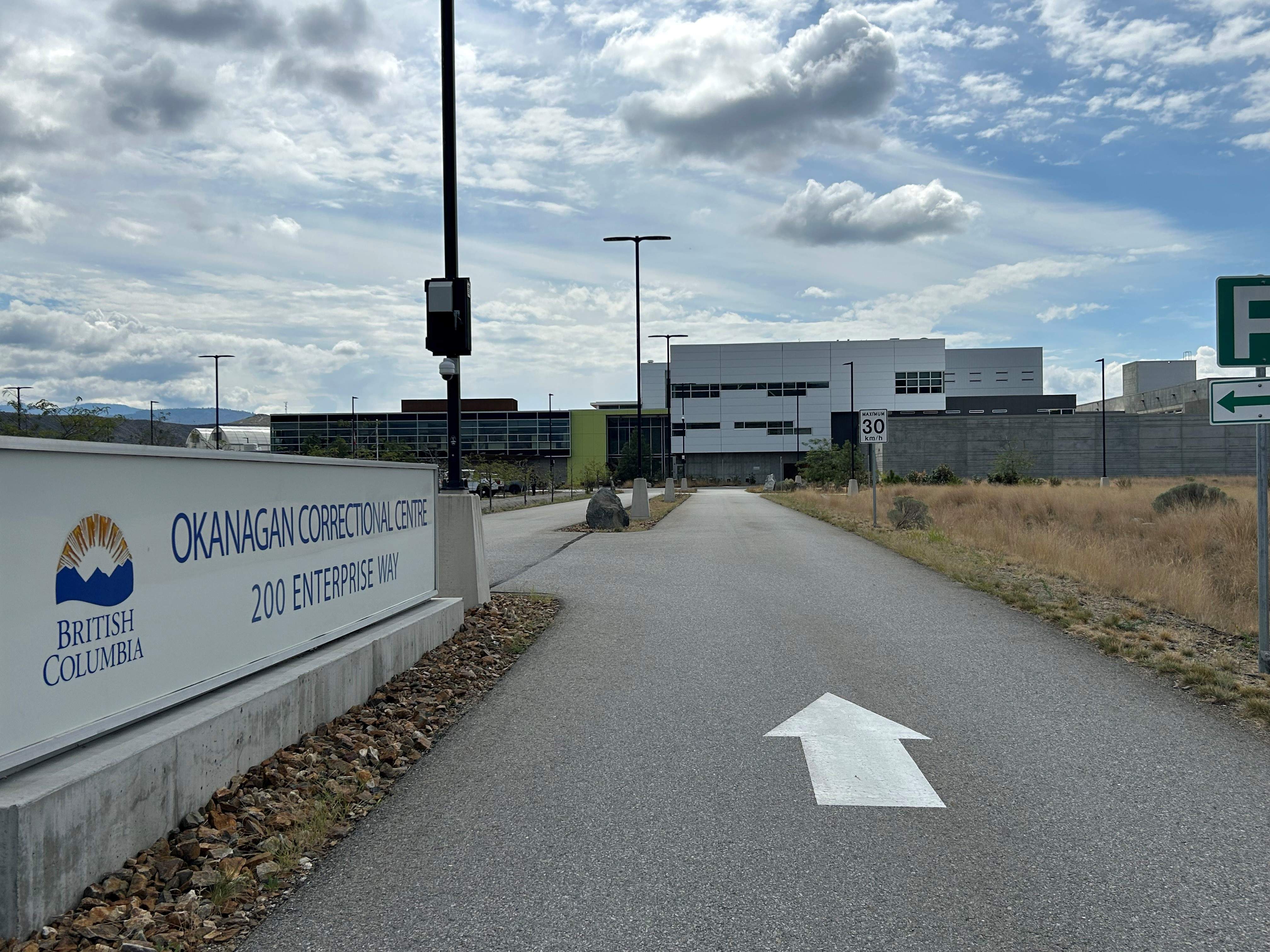
Local politicians love a shiny, half-empty building. Give them a concrete box outfitted with steel doors, razor wire, and security checkpoints, and their first instinct is to slap a medical cross on it and call it a breakthrough.
The recent chorus of regional mayors demanding that the under-utilized Okanagan Correctional Centre in Oliver morph into a mandatory treatment facility sounds pragmatic on paper. Why build from scratch when you have empty cells sitting right there? It saves cash. It looks decisive. It gives desperate councils a talking point for the upcoming union conventions.
It is also an administrative disaster waiting to happen.
The Architectural Trap of Coerced Healing
Let us look past the superficial appeal of square footage. A correctional facility is engineered from the ground up for one primary purpose: containment, punishment, and penal control. The security vectors, the sightlines, the acoustic hostility of hard concrete, the constant hum of institutional surveillance—these are not neutral elements. They actively induce trauma.
When you shove vulnerable populations—people suffering from acute psychiatric crises, severe brain injuries, or chaotic substance dependency—into a facility designed to lock away lawbreakers, you are not providing a hospital ward. You are running a punitive ward under a clinical alias.
Medical ethics require an environment conducive to psychological safety. A maximum- or medium-security prison block is the physical antithesis of psychological safety. The moment a person struggling with addiction or mental illness walks through those gates, their brain does not register recovery; it registers punishment. Trust between patient and practitioner evaporates the second you lock a steel door behind them.
The Staffing Mirage
Proponents of the Oliver facility conversion love to talk about brick-and-mortar savings. They point to a 200-million-dollar asset operating at roughly half capacity and assume the hard part is finished.
They are ignoring the human infrastructure.
You cannot simply rebadge a corrections officer as a psychiatric nurse by handing them a lanyard. The Interior region, like most of North America, is bleeding healthcare professionals. Hospitals are running short-staffed shifts on normal days. Nurses, psychiatrists, and addiction specialists are burning out and fleeing public systems.
Imagine a scenario where the province actually cedes to the mayors' demands, retrofits the cells, and opens the doors. Where do the clinical teams come from? Are we planning to draft medical professionals at gunpoint to staff an isolated facility in the South Okanagan? If you cannot recruit enough psychiatric staff for urban hospitals with coffee shops and housing markets, good luck staffing an isolated prison compound in Oliver. You will end up with a facility full of empty beds or, worse, a facility staffed by traditional correctional personnel applying custody protocols to medical patients.
That is not healthcare. That is carceral warehousing with a bedside manner.
The Slippery Slope of Compulsion
Mandatory care carries a seductive political gravity. When streets are messy and overdose numbers remain stubborn, forcing people off the pavement feels like action.
However, mandatory treatment without a massive, functioning step-down network outside its walls is a revolving door of failure. What happens on day 91 when the mandatory hold expires? If you release an individual right back into the exact same socio-economic vacuum, housing crisis, and toxic drug environment they left, relapse is not a possibility; it is a mathematical certainty.
Recidivism in corrections is driven by a lack of post-release integration. Medical recidivism in forced psychiatric stabilization follows the exact same curve. If the mayors spent half the energy fighting for localized, low-barrier supportive housing and decentralized community health clinics that they spend trying to recycle a jail, we might see actual systemic change.
Instead, they want a shortcut. They want a geographic solution out of sight, tucked away in the desert landscape of Oliver, far from downtown storefronts. Out of sight is not out of crisis. It is simply sweeping human misery behind a heavier set of iron bars and calling it compassion.
Stop trying to disguise cages as clinics. Build the actual medical infrastructure, or admit you just want people locked up.


