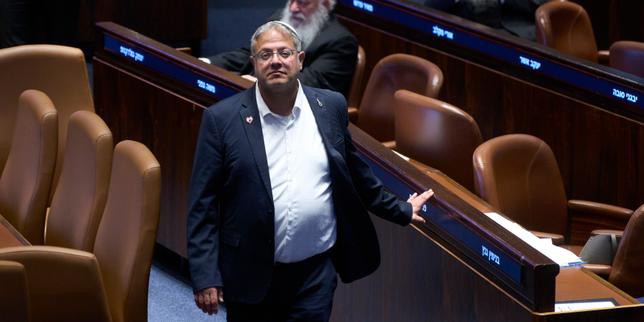
Tragedy arrives with brutal efficiency. Yet, the political response to human catastrophe follows an even more predictable, cynical choreography. When a family perishes in a drowning accident, the immediate instinct of public figures should be quiet grief or solemn respect for the private agony of survivors. Instead, politicians rush to microphones to extract maximum emotional value from a corpse.
We watch leaders transform private grief into public theater, bending individual tragedies to fit whatever pre-existing ideological crusade dominates the news cycle. This reflex is not empathy. It is exploitation wrapped in sanctimony.
The Mechanics of Manufactured Outrage
When high-profile figures react to accidental deaths with theatrical pronouncements, they rely on a lazy consensus. The script demands instant politicization. Every adverse event must instantly serve as proof of a systemic failure, a policy blunder, or a moral failing of opposing factions.
This approach insults the reality of complex, unpredictable human misfortune. Not every harrowing headline is an indictment of the state. Accidents happen in water regardless of borders, citizenship paperwork, or legislative frameworks. Dragging a personal catastrophe into the parliamentary arena accomplishes nothing except satisfying the performative urges of officials who treat human life as currency.
"When politicians treat every tragedy as a policy failure, they strip the victims of their humanity and reduce them to props."
I have watched organizations blow millions chasing reactive public relations strategies, trying to massage every uncontrollable variable into a tidy narrative. The reality is far more unyielding. Nature remains indifferent to human politics.
The Cost of Performative Empathy
The rush to pontificate carries a heavy toll. By weaponizing sorrow, public figures crowd out actual institutional competence. Real solutions require meticulous, unglamorous administrative reform, quiet diplomatic channels, and long-term risk mitigation. None of these look good on a social media feed.
Consider how public discourse handles unexpected loss. We divide into opposing camps within minutes. One side demands immediate institutional scapegoats, while the other defends systemic inertia. Both miss the point entirely. The obsession with assigning political guilt prevents any sober assessment of how to prevent future accidents.
True authority means resisting the pull of the megaphone. It means admitting that governance has limits, and that no amount of rhetoric will rewrite the physical laws of a tragic current or an unfortunate turn of events.
Stop demanding theatrical reactions from people whose only job should be quiet competence. Reject the instinct to turn every sorrow into a billboard for your preferred ideology. Respect the dead enough to leave them out of your next campaign speech.