A ceasefire on paper means absolutely nothing when military hardware keeps exploding in the water. Right now, the United States and Iran are playing a high-stakes game of chicken in the Middle East, and the fragile truce brokered earlier this spring is hanging by a thread.
If you think a ceasefire means the shooting has stopped, you haven't been paying attention to the Persian Gulf.
The latest flare-up happened when the U.S. military shot down four Iranian attack drones heading straight toward the Strait of Hormuz. U.S. Central Command didn't just play defense, either. American jets immediately launched retaliatory strikes, smashing into Iranian coastal surveillance radar sites in Goruk and on Qeshm Island. According to CENTCOM, these drones posed an immediate, undeniable threat to regional maritime traffic.
This isn't an isolated misunderstanding. It's part of a dangerous, back-and-forth cycle of violence that makes the official truce look like a polite fiction. Earlier in the week, Iranian drones heavily damaged a passenger terminal at Kuwait’s main airport, killing one person and wounding dozens. Washington responded by tightening its military blockade on Iranian ports. Tehran responded by squeezing the world's most critical energy corridor. It’s a classic escalatory spiral, and nobody seems willing to blink first.
The Illusion of Peace in the Gulf
Why are we seeing active combat operations during an active ceasefire? Because both sides are using the truce to reposition themselves for the next phase of the war, rather than actually packing up and going home.
The underlying issue is control over the global energy supply. The U.S. military is currently enforcing a strict naval blockade on Iranian ports. This is direct retaliation for Tehran’s chokehold on the Strait of Hormuz, the narrow waterway where roughly a fifth of the world's petroleum passes daily.
When you choke off the strait, global oil and natural gas prices spike. When energy prices spike, it creates massive political headaches back in Washington, especially with congressional midterm elections looming.
Look at what happened just days before this latest drone interception. Over the weekend, U.S. forces struck drone command-and-control facilities and air defense assets after Iran shot down an American MQ-1 Predator drone operating over international waters. The Islamic Revolutionary Guard Corps fired back with ballistic missiles, targeting the Ali Al Salem Air Base in Kuwait, wounding five American personnel and destroying two MQ-9 Reaper drones worth $60 million.
This isn't a peace process. It’s a war with a very thin public relations wrapper.
The Economic Fallout of a Blockaded Strait
The conflict isn't just about military pride or geopolitical dominance. It's hitting global supply chains where it hurts the most.
- Energy Spikes: Oil markets are fluctuating wildly with every drone interception, keeping global inflation stubbornly high.
- The Fertilizer Crisis: The Gulf region produces roughly 30% of the world's globally traded chemical fertilizers. Because of the naval blockades and constant shipping disruptions, fertilizer prices have skyrocketed, triggering legitimate fears of widespread global food shortages.
- The Shipping Tax: Commercial vessels are either refusing to enter the Gulf or paying astronomical insurance premiums to do so, driving up the cost of everyday consumer goods.
What the White House Is Saying vs Reality
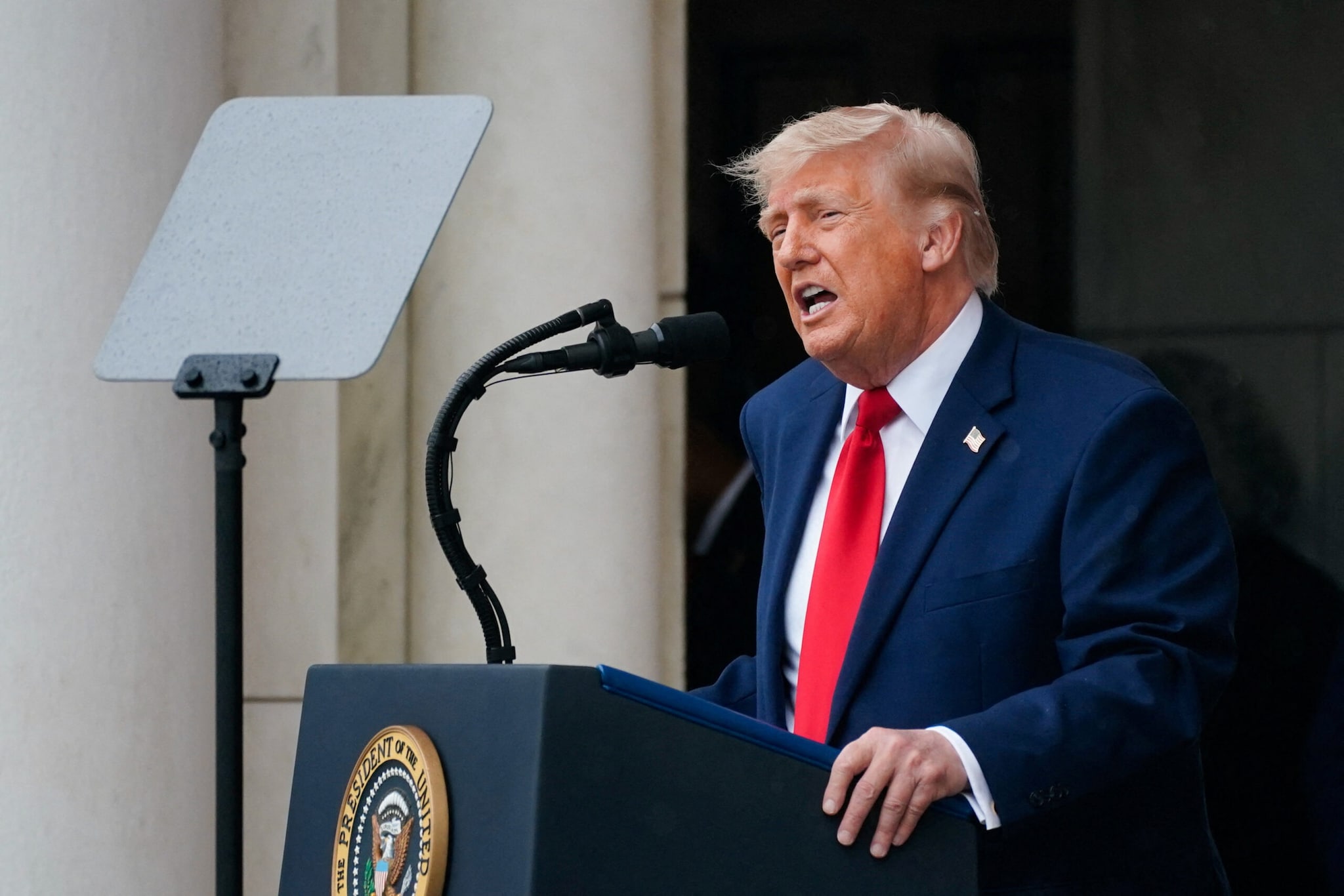
If you listen to President Donald Trump, everything is going according to plan. Speaking to reporters at an event with farmers in Wisconsin, Trump shrugged off the latest military engagement.
“The situation with Iran seems to be going quite well,” Trump remarked, adding that the U.S. would wrap up the conflict quickly. “We're going to come out of Iran very quickly and it's going to be very strong one way or the other, whether it's a piece of paper or the very tough way.”
Trump went on to claim that the "very tough way" might actually be the easier path, promising farmers that their fertilizer prices would drop back to where they were months ago once the conflict is resolved. He also noted that Iran still holds about 21% to 22% of its original missile stockpile—a slight bump from the 18% figure he cited a month ago, showing that evaluating Tehran's true military degradation is a moving target.
But let's be realistic here. There is a massive disconnect between political rhetoric in the Midwest and the facts on the ground in the Middle East. You don't achieve a clean diplomatic exit while actively bombing coastal radar stations and watching your regional allies get hit by ballistic missiles.
The Regional Spillover Problem
You can't talk about the Iran conflict without talking about Lebanon and Israel. The geopolitical web is too tightly spun to isolate these fights anymore.
The Trump administration recently praised a U.S.-brokered ceasefire agreement between Israel and the Lebanese government, achieved after intense diplomatic talks in Washington. Israeli forces have already seized massive portions of southern Lebanon. However, the Iranian-backed militant group Hezbollah completely rejected the deal, and fighting has continued on both sides of that border anyway.
This directly sabotages the broader Iran negotiations. Tehran has made its position crystal clear: any lasting maritime truce in the Persian Gulf must extend to a permanent solution in Lebanon. Meanwhile, countries like Oman are caught directly in the crossfire. Iranian Deputy Foreign Minister Kazem Gharibabadi publicly warned Oman to resist American pressure, insisting that only Tehran and Muscat hold legitimate sovereignty over navigation through the Strait of Hormuz.
Moving Past the Stalemate
If you are trying to understand where this crisis goes next, stop looking at the daily press briefings and start tracking the actual moving parts on the water. Diplomatic breakthroughs won't happen until the fundamental economic pain points are solved.
To see real stabilization in the region, monitor these specific indicators over the coming days:
- Track Fertilizer Export Volatility: Watch whether a trickle of cargo ships begins to break through the U.S. blockade or if Iran allows unhindered passage for chemical shipments. If fertilizer prices don't drop, expect Washington to increase military pressure.
- Monitor the Israeli-Lebanon Border: If the ceasefire in southern Lebanon fails completely, the maritime talks in the Gulf will inevitably collapse along with it.
- Watch Drone Attrition Rates: Iran’s willingness to fly attack drones directly into U.S. air defense umbrellas suggests they still have the manufacturing capacity to sustain a war of attrition, despite claims of their stockpile being depleted.
The current strategy of trading radar strikes for drone interceptions is a holding pattern, not a solution. Until a comprehensive deal addresses both the blockades and the regional proxy fights, that piece of paper everyone keeps talking about isn't worth the ink used to sign it.