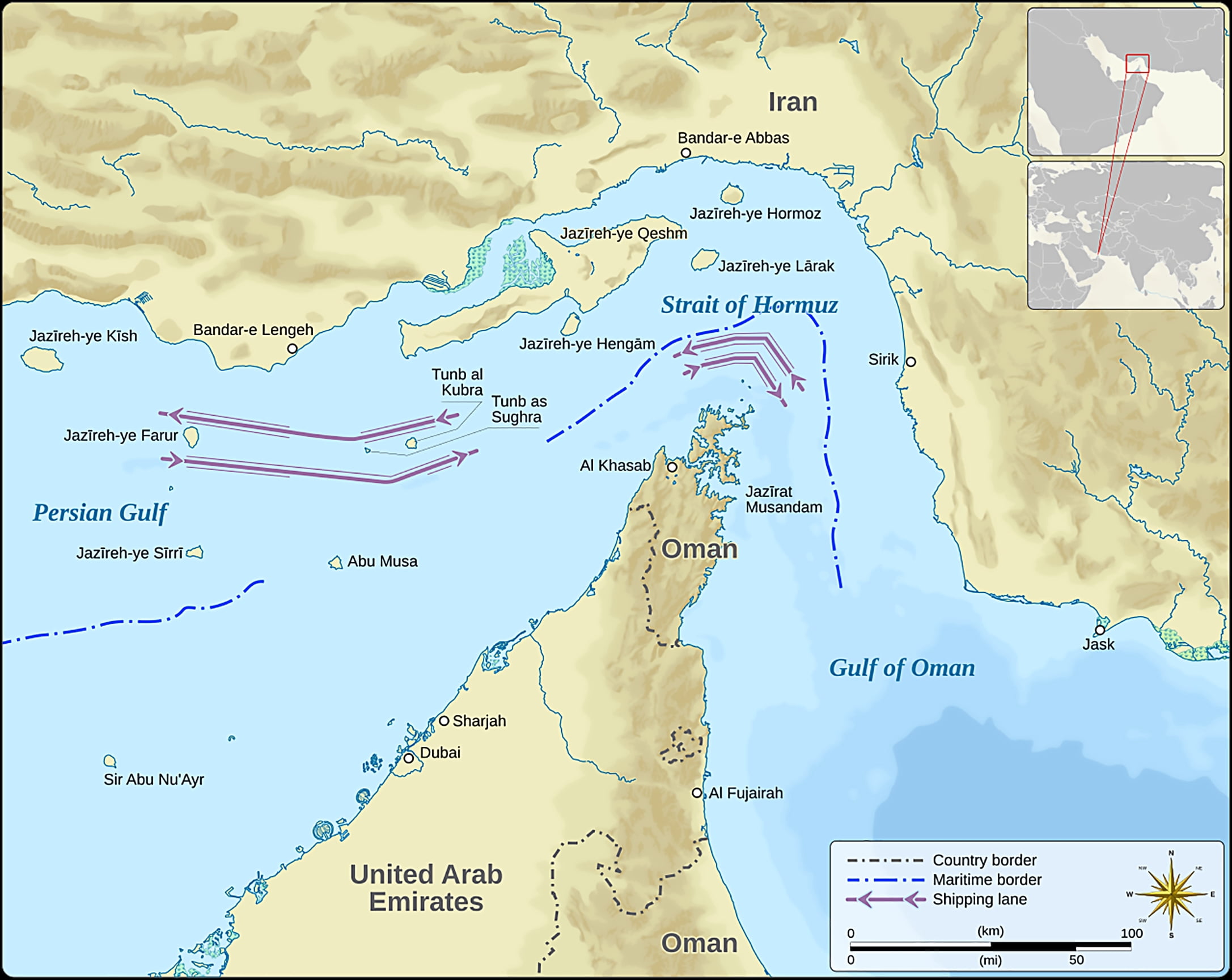
The recent pronouncements from the White House regarding the Strait of Hormuz represent more than just standard-issue bellicosity. When the administration claims “total control” over this narrow maritime corridor and brands its naval blockade a “Wall of Steel,” it is attempting to rewrite the fundamental architecture of international maritime law. This is not about security. It is about establishing a geopolitical fait accompli in a waterway that has historically resisted the absolute authority of any single nation. By declaring that the United States intends to “keep” this territory, the executive branch is signaling a shift from maintaining freedom of navigation to enforcing a proprietary claim.
The Strait of Hormuz is not a territorial lake. It is a critical global chokepoint through which roughly one-fifth of the world’s petroleum and liquefied natural gas flows daily. For decades, the international community has operated under the understanding that such waterways are subject to the right of transit passage. This legal doctrine ensures that ships from all nations can traverse the strait without being subject to the whims, taxes, or blockades of the littoral states. When the United States suggests that it has the authority to charge fees or determine who may pass, it is effectively dismantling the very rules-based order it claims to defend.
The reality on the water is far less orderly than the rhetoric on social media. While the naval presence in the Gulf of Oman and the Persian Gulf is undeniably potent, the concept of a total blockade is a fiction. Maritime interdiction is a porous and exhausting endeavor. Even with advanced radar, carrier strike groups, and a constant rotation of destroyers, enforcing a complete stop on commercial shipping is a tactical nightmare. The ocean is vast, and the incentives for smuggling, reflagging, and evasion are astronomical. When a ship attempts to breach the line, the United States is forced to choose between escalation and humiliation.
Consider a hypothetical scenario: a tanker carrying fuel to an Asian market under a neutral flag tests the blockade. If the United States fires upon it, the act may be legally justified as a wartime measure under the current state of conflict, but it simultaneously invites global condemnation and potential retaliation from neutral parties. The diplomatic cost of such an action is often higher than the strategic gain. The administration’s language suggests a desire to avoid these nuances, favoring a binary view of control where the United States dictates the flow of commerce. This ignores the reality that the world’s energy markets are tightly coupled. A spike in insurance premiums or a diversion of routes away from the Gulf forces a price hike that hits the American consumer just as hard as it hits any other nation.
The historical echoes here are impossible to ignore. Empires throughout the centuries have attempted to dominate this same stretch of water, from the Portuguese in the sixteenth century to the British in the nineteenth. They all eventually discovered that geography is a stubborn opponent. The narrowness of the strait, coupled with the rugged, mountainous coastline of the surrounding nations, provides ample cover for asymmetric warfare. Fast-attack craft, mines, and localized coastal defenses can frustrate even the most advanced navy. The "Wall of Steel" is, at its heart, a fragile construct that relies entirely on the continued restraint of the adversary.
Tehran’s response to this posturing has been predictably defiant, viewing the American rhetoric as proof of an aggressive campaign to squeeze their remaining economic lifelines. The back-and-forth claims of control are not merely propaganda. They represent a high-stakes standoff where every boarding, every redirected tanker, and every intercepted transmission is used to justify deeper domestic crackdowns and further military spending. The diplomatic track, currently stalled in indirect discussions, has been poisoned by the perception that the United States is negotiating from a position of absolute power. If you claim to own the room, you are rarely incentivized to compromise with the guests.
We are watching a dangerous erosion of the norms that keep global trade moving. By treating an international strait as a private asset, the administration is inviting a future where other nations apply the same logic to their own regional corridors. The long-term stability of global supply chains depends on the predictability of transit. Once that predictability is traded for a display of strength, it is difficult to regain. We are currently testing the limits of how much economic pain the global market can absorb in the name of national grandstanding. The result of this experiment remains, for now, hidden beneath the surface of a very volatile sea.
The Strait of Hormuz: A History of Conflict and Control
This video provides essential context on the legal disputes and historical tensions that define why the U.S. claim of control over the strait is being challenged by international experts and the global maritime community.


