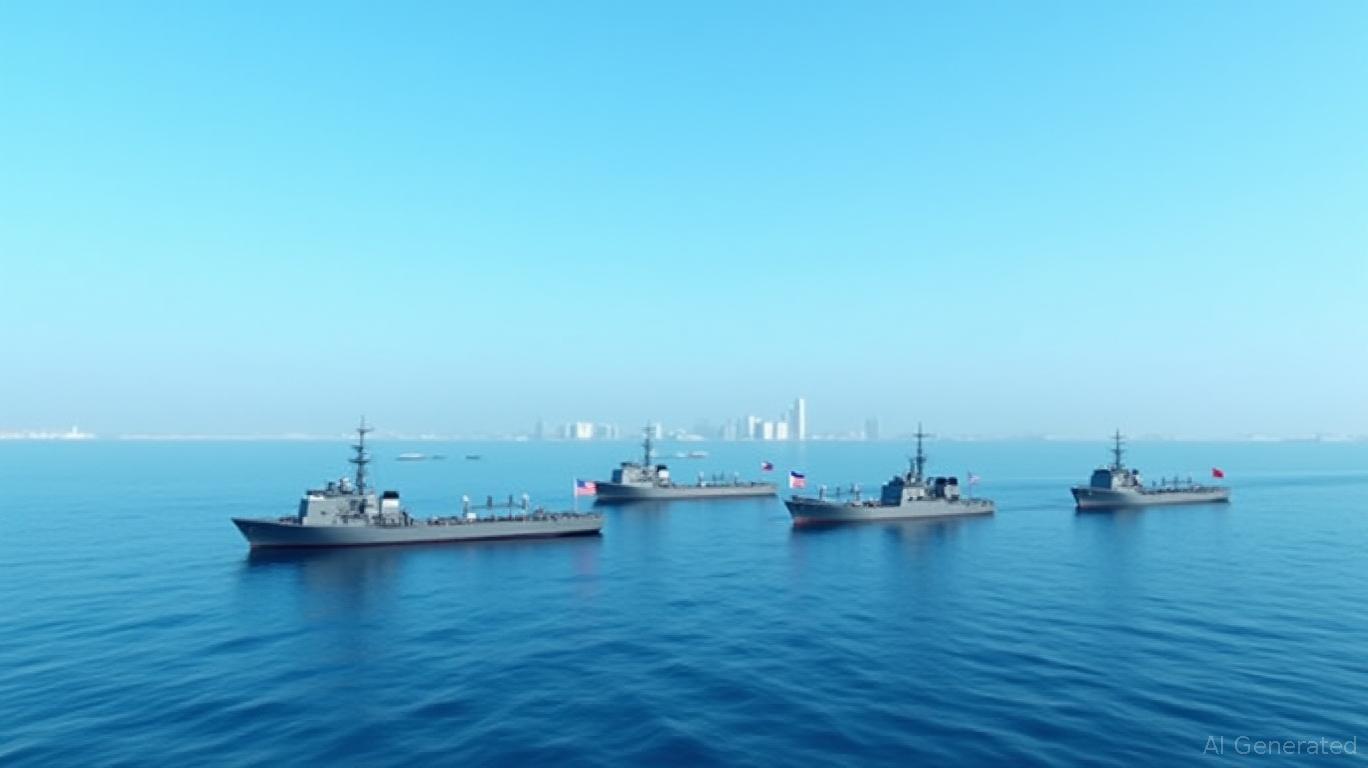
The world’s most critical maritime chokepoint is breathing again, but the rhythm is jagged and the lungs are heavy. As tankers begin to cautiously pick their way through the Strait of Hormuz following the latest bout of regional instability, the global energy market remains on a knife-edge. This is not a "return to normal." It is a high-stakes calculation where every nautical mile traveled is weighed against soaring insurance premiums and the very real threat of kinetic interference. While some vessels are finally making the transit, others remain anchored in a state of expensive limbo or are committing to the grueling, multi-week detour around the Cape of Good Hope.
The math of maritime shipping is brutal. A standard Very Large Crude Carrier (VLCC) carrying two million barrels of oil represents a floating bank vault. When the Strait narrows—physically and politically—the cost of moving that vault does not just rise; it mutates. We are seeing a fragmented recovery where the "brave" are often those with state-backed guarantees, while independent operators find themselves priced out of the water by War Risk surcharges that have jumped tenfold in a matter of days.
The Economics of Fear at Twenty-One Miles Wide
The Strait of Hormuz is only 21 miles wide at its narrowest point. This thin strip of water handles roughly one-fifth of the world’s daily liquid petroleum consumption. When traffic "trickles," the global economy feels the restriction like a clogged artery. The current movement of ships shows a clear divide between those who must move and those who can afford to wait.
State-owned shipping entities from major Asian importers are leading the "trickle." For these players, the risk of a cargo loss is secondary to the risk of a dry refinery. They are moving under "shadow" protection or simply absorbing the insurance spikes as a cost of national security. Meanwhile, the spot market—the independent truckers of the sea—is paralyzed. For an independent captain, a 0.5% premium on the value of the hull can wipe out the profit margin of an entire voyage.
Who is Taking the Risk
- National Oil Companies: Vessels flagged to major regional powers or their primary customers.
- Fixed-Contract Giants: Long-term charters that have little choice but to maintain the supply chain.
- The Opportunists: Smaller, often under-insured tankers willing to gamble for high freight rates.
Who is Holding Back
- European Majors: Publicly traded companies with sensitive ESG boards and zero appetite for a PR disaster.
- Liquefied Natural Gas (LNG) Carriers: The sheer volatility of the cargo makes these ships primary targets and insurance nightmares.
- Container Liners: Often carrying consumer goods rather than essential commodities, these ships are the first to divert because their cargo can technically wait, even if your local retail shelf goes bare.
Why the Cape of Good Hope is Not a Safety Valve
When the Strait becomes a gamble, the alternative is the long way around. Diverting around Africa adds roughly 4,000 miles and 15 days to a journey from the Persian Gulf to Northern Europe. This is not a simple detour. It is a massive disruption of the "just-in-time" delivery model that has governed the energy industry for decades.
Burn more fuel. Pay more crew wages. Add more wear and tear to the hull. The math rarely adds up unless the Strait is completely closed. Yet, we are seeing a record number of diversions. This tells us that the industry no longer trusts the "trickle" to become a flow. The fear isn't just a missile or a mine; it's the bureaucratic nightmare of a ship being seized and held in legal purgatory for months. A sunk ship is an insurance claim. A seized ship is a recurring line item on a balance sheet with no end in sight.
The Suez Canal, often the bridge for these transits, also suffers. If tankers avoid the Strait, they often avoid the Red Sea entirely, starving the Egyptian economy of vital transit fees and further destabilizing the Mediterranean energy balance.
The Insurance Shadow Market
Behind every ship movement is a London-based underwriter. These are the people truly controlling the traffic in the Strait of Hormuz. In recent days, the "Listed Area" for war risks has been scrutinized with a magnifying glass.
We are now seeing the emergence of a two-tiered shipping world. On one side, you have the traditional P&I (Protection and Indemnity) clubs that follow strict Western sanctions and risk profiles. On the other, a growing "dark fleet" or "shadow fleet" utilizes non-traditional insurance, often backed by sovereign wealth or opaque offshore entities. This shadow market is what keeps the oil moving even when the "official" traffic reports look grim. These ships turn off their AIS (Automatic Identification System) transponders, becoming ghosts in the machine to avoid both predators and regulators.
This lack of transparency creates its own danger. When ships go dark to avoid detection, the risk of accidental collisions in one of the world's most crowded waterways skyrockets. A collision in the Strait would be just as effective at stopping traffic as a naval blockade, but without a clear political actor to hold accountable.
The Hidden Cost of the Stranded
For the ships currently "stranded"—anchored outside the Strait in the Gulf of Oman or further south—the clock is a predator. These aren't just vessels; they are complex industrial plants. Crude oil can degrade, and the machinery required to keep the cargo stable requires constant power and maintenance.
The crews are the most overlooked factor. Living on a high-value target in a known combat zone takes a psychological toll that eventually manifests in operational errors. We are hearing reports of mounting fatigue and "shore-leave" cancellations that have stretched into months. A tired crew is a dangerous crew, especially when navigating a narrow channel where the margin for error is measured in meters.
Breaking the Bottleneck
To restore the flow, the industry needs more than just a lack of explosions. It needs predictability. The current "trickle" is a symptom of a market that is testing the fences. They are sending one ship to see if it gets through, then another. This experimental approach to global trade is unsustainable.
If the trickle does not turn into a steady stream within the next fourteen days, we will see a permanent shift in global energy pricing. Refineries in the East will begin to bid up Atlantic Basin crudes, and the price of Brent will disconnect from the reality of supply, driven instead by the sheer terror of the "what if."
The Strait of Hormuz is a reminder that for all our digital advancements and satellite tracking, the global economy still relies on the physical passage of steel through water. If that passage is compromised, the "digital age" doesn't mean much when the lights go out.
The next time you look at the price of a gallon of gas or a plastic component, remember the captain sitting at the mouth of the Gulf, staring at a radar screen, wondering if the blip on the horizon is a fishing boat or a drone. That moment of hesitation is the most expensive thing in the world right now.
Watch the insurance rates, not the headlines. When the underwriters lower their guard, the crisis is over. Until then, every ship through the Strait is a roll of the dice in a game where the house always has the option to flip the table.