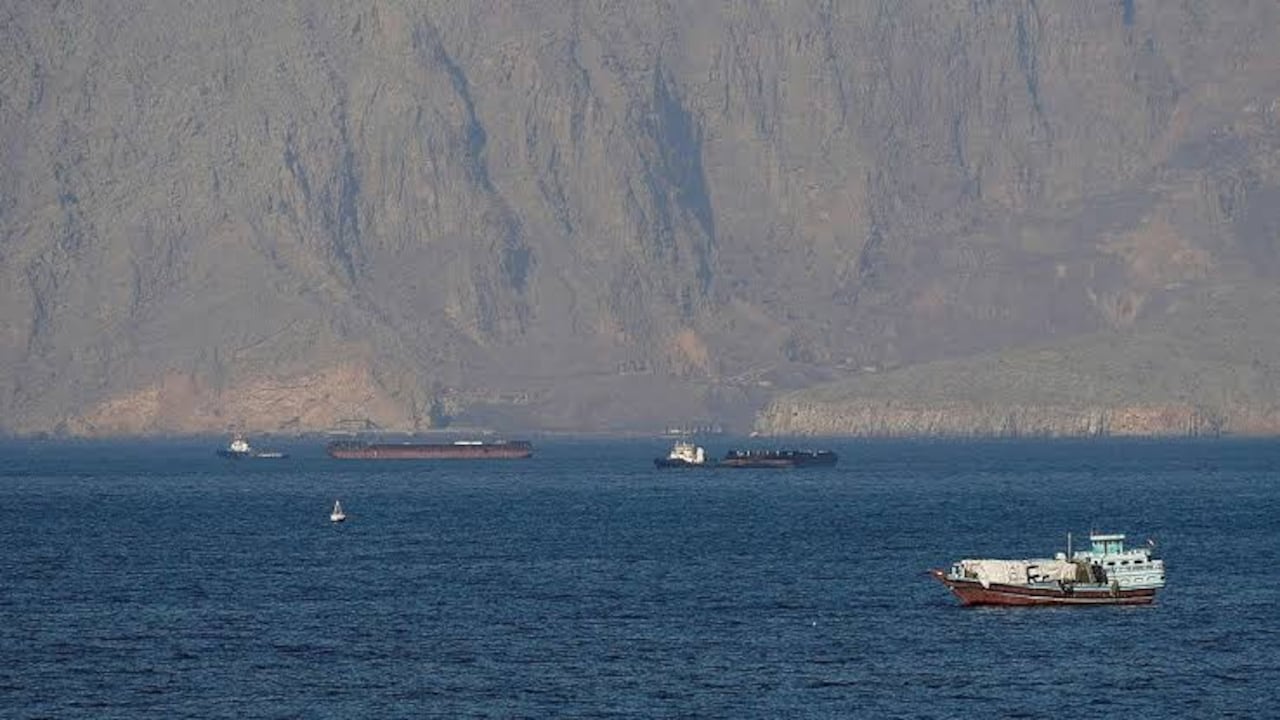
The Strait of Hormuz is not merely a narrow shipping lane; it is the jugular vein of the global energy market. Nearly one-fifth of the world's petroleum passes through this corridor, making any friction here an immediate crisis for industrialized economies. Right now, that vein is pinched shut. Tehran and Muscat have quietly hammered out the precise geographic coordinates for a bilateral maritime arrangement that bypasses Western oversight, yet full commercial transit remains hostage to a much larger geopolitical contest.
Iran maintains that any reopening of the waterway depends entirely on the United States lifting its ongoing naval blockade against Iranian ports. Washington wants the strait open without granting Tehran permanent jurisdictional control or toll-collecting authority. This standoff exposes a brutal reality of modern maritime conflict. Control over geography often trumps raw carrier-strike-group firepower when coastal batteries and asymmetric deterrents are thrown into the mix.
The Mechanics of the Omani Channel
Under the draft understanding forged between Iran and Oman, commercial traffic would navigate specific, predetermined coordinates. Ships entering the Persian Gulf would hug lanes closer to the Iranian side, while outbound traffic would slip through Omani-administered waters.
Tehran frames this as an environmental and security service, complete with potential administrative fees. Washington reads it differently. American officials view the setup as a de facto capitulation—a mechanism that legitimizes Iranian chokehold authority over international waters.
Consider a hypothetical oil supertanker leaving anchorage in Ras Tanura. Under pre-war norms, that vessel moved through international corridors protected by customary freedom of navigation laws. Under the Omani-Iranian framework, that same tanker becomes a tributary token. It must acknowledge regional security management that answers to Tehran's operational rules.
Why Washington Is Cornered
The White House is caught in an acute political trap. Domestic pressures mount as fuel prices fluctuate in response to persistent supply bottlenecks. An administration facing upcoming congressional cycles cannot afford a permanently crippled energy market. Yet conceding structural authority over the strait to Iran shatters decades of American doctrine regarding open sea lanes.
Secretaries and cabinet members project optimism for public consumption, hinting at imminent breakthroughs. Ground-level realities tell a starkly different story. Maritime security agencies continue to log explosions and suspicious incidents near Omani territorial boundaries. A line drawn on a diplomatic map does not automatically neutralize sea mines or dissuade shore-based missile batteries.
Iran understands its leverage. By utilizing Oman as a diplomatic intermediary, Tehran projects a willingness to deal while keeping direct talks with Washington frozen. This allows the Iranian foreign ministry to position itself as a reasonable actor seeking regional stability, even as its naval units enforce strict compliance metrics in the gulf.
The Cost of Exhausted Deterrence
Military campaigns launched earlier in the year were supposed to rewrite the security architecture of the Persian Gulf. Instead, they achieved the opposite. They compressed open waters into a contested gauntlet where commercial operators calculate risk hour by hour.
Insurance premiums for Gulf transits have reached astronomical heights. Crew members refuse contracts running through the zone without hazard compensation that dwarfs standard wages. These economic penalties compound daily, draining resources from consuming nations far faster than targeted airstrikes drain state coffers in Tehran.
When officials in Washington insist that no party will be allowed to tax or regulate transit lanes, they are describing an ideal world rather than the battlefield map. The geography of the strait favors the power with land-based dominance along its northern shore. No amount of diplomatic optimism can alter the simple fact that ships passing through a twelve-mile-wide channel are vulnerable to the nation standing on the cliffs above it.
Resolution requires more than joint press statements from Muscat. It demands a realistic reckoning with power distribution in the Middle East, where absolute maritime dominance has given way to localized denial strategies. Until Washington reconciles its refusal to lift port restrictions with Tehran's insistence on sovereign oversight, the world's most critical energy corridor remains frozen in limbo.