Don't panic about the headlines. Yes, Iran's Revolutionary Guards fired missiles at commercial ships transiting the Strait of Hormuz, including a Qatari LNG tanker and a Saudi-flagged crude vessel. Yes, Brent crude inched up toward $73 a barrel, while West Texas Intermediate crept above $69. But if you think this is the spark that sends crude back to triple digits, you're misreading the current state of the global energy market.
Geopolitical risk premiums are real, but they don't hold the same punch they used to. The reality is that the oil market is facing a massive wave of supply that is actively blunting the impact of Middle Eastern instability. For an alternative look, read: this related article.
The Reality Behind the Hormuz Escalation
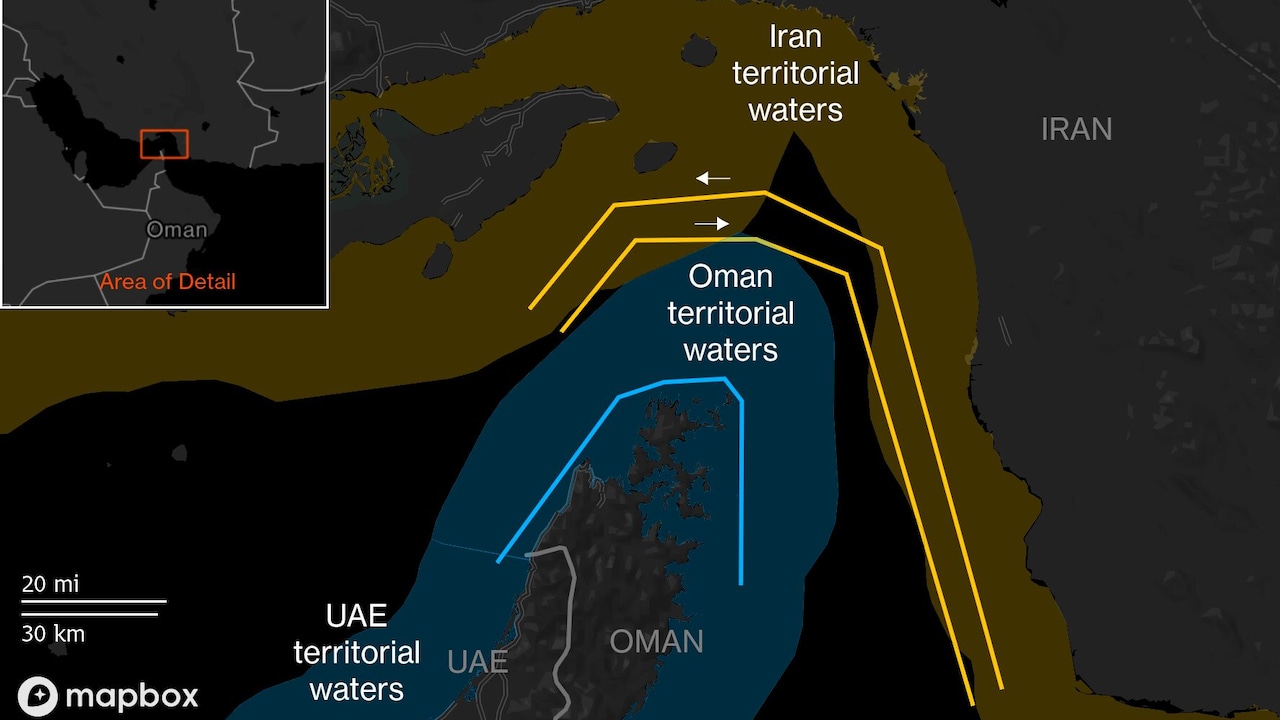
The details of the latest attacks are genuinely serious for maritime logistics. The Qatari LNG tanker, Al Rekayyat, was hit on its port side near the engine room, sparking a fire off the coast of Oman. Iranian state broadcaster IRIB claimed the vessels were targeted for ignoring warnings and trying to cross using an Omani route with US Navy support. This flare-up follows weeks of fragile ceasefire optimism after the outbreak of the US-Iran war in February, a conflict marked by the killing of Supreme Leader Ayatollah Ali Khamenei.
Just hours before the strikes, US President Donald Trump gave Tehran an ultimatum: make a deal or "finish the job." Iran's Foreign Minister Abbas Araghchi shot back, refusing to negotiate under direct threats. Similar reporting on this matter has been published by Business Insider.
Usually, this kind of high-stakes brinkmanship at the world's most critical energy chokepoint—where a fifth of global supply transits—would send oil prices surging by 5% or 10% in a single trading session. Instead, we saw a modest bump of roughly 1% to 1.5%. Traders are pricing in the tension, but they aren't panicking.
Why the Market is Ignoring the War Premium
The primary reason crude isn't skyrocketing is simple arithmetic: the world is swimming in oil, and the supply cushion is growing thicker by the month.
Consider what is happening outside of Iran's immediate sphere of influence. OPEC+ just agreed to lift its output targets by another 188,000 barrels a day, marking a steady unwind of previous production cuts. Individual state behavior tells an even bigger story. The United Arab Emirates pumped over 3.8 million barrels a day last month—its highest production level since April 2020—after leaving OPEC+ production quotas to flex its capacity.
At the exact same time, Saudi Arabia just executed its biggest price cut in more than two decades. Saudi Aramco slashed its August official selling price for its flagship Arab Light crude to Asia by a staggering $11 a barrel below the Oman/Dubai average. When the world's largest crude exporter aggressively undercuts the market to maintain market share, it sends an unmistakable signal: demand is sluggish, and supply is abundant.
Furthermore, structural changes are permanently altering how oil moves. Saudi Arabia is actively exploring an expansion of its East-West crude pipeline to the Red Sea coast. This infrastructure pivot allows the kingdom to bypass the Strait of Hormuz entirely, rendering Iranian threats less potent with every mile of pipe laid.
Structural Overrepresentation vs Physical Reality
Market analysts from institutions like Societe Generale are already projecting the global oil market to shift cleanly from a deficit into a structural surplus. Wall Street has aggressively dialed back its price targets, with fourth-quarter forecasts hitting around $75 a barrel as inventory levels gradually rebuild worldwide.
The biggest risk to oil prices right now isn't a missile in the Gulf; it's a lack of economic momentum in major consuming nations. Traders are keeping a hyper-focused eye on physical demand signals out of China, where economic data remains tepid. Coupled with the massive capital rotation out of tech and AI sectors in Asian markets like Tokyo and Seoul, broader macroeconomic anxiety is keeping a firm lid on commodity speculation.
If you are managing energy costs or trading commodity futures, stop overindexing on daily military updates from the Persian Gulf. The underlying fundamentals—surplus production from the UAE, deep price cuts from the Saudis, and broader macroeconomic headwinds—are firmly in the driver's seat.
Your next move should be focusing on demand-side metrics rather than supply-side shocks. Watch Chinese manufacturing data and European fuel consumption figures over the next two quarters. Unless a major regional escalation physically shuts down production facilities rather than just delaying shipping lanes, the path of least resistance for crude remains capped, choppy, and fundamentally constrained.