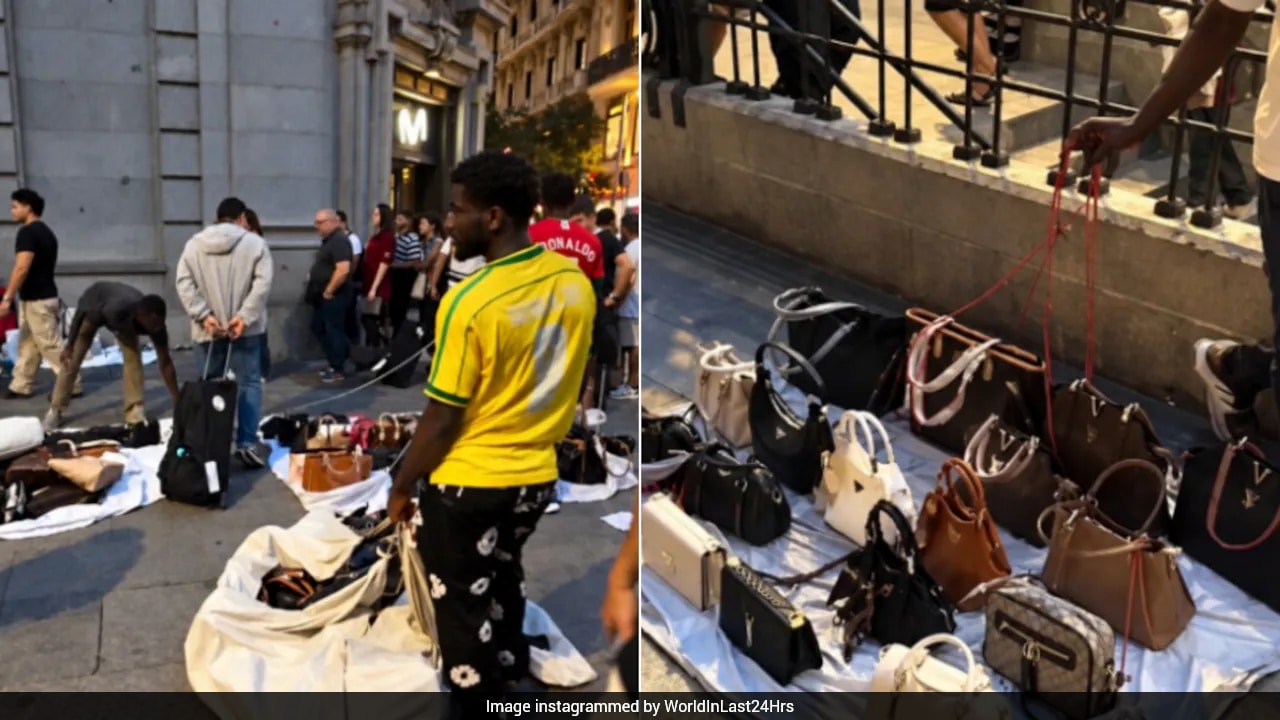
Every time civil unrest flares up in France, the internet rushes to crown itself a detective. A grainy clip surfaces showing stacks of designer handbags, sneakers, or watches spread across a tarp or a folding table. Someone slaps a caption on it claiming looted luxury goods from French riots are being dumped for pennies on the street.
Millions of people share it. Commenters rage. Pundits nod solemnly about lawlessness and supply chains. You might also find this related article insightful: The Quiet Arithmetic Behind Every French Street Protest.
It is almost always lazy. And it usually misses how luxury goods, street markets, and viral video clips actually work.
When people watch a video claiming luxury goods looted in France riots are being sold cheaply on streets, they fall for two illusions at once. First, they assume every designer item outside a boutique came out of a smashed window during civil unrest. Second, they treat street-level resale in France as a direct window into high-end retail theft. As discussed in latest coverage by Bloomberg, the implications are worth noting.
Real street economics are far messier—and far less cinematic.
The Viral Clip Trap and Why Context Dies First
Social media rewards certainty, not verification. A ten-second clip stripped of location data, timestamps, and sound context can be stitched to almost any headline. During major French protests or riots, old clips from unrelated markets, different cities, or even different years routinely get recycled because the emotional hook already exists.
Even when a clip is genuinely filmed during a period of unrest in France, visual inspection from a phone screen tells you almost nothing about provenance. Counterfeits are engineered to fool casual glances from five feet away. Gray-market goods, stolen warehouse stock from months earlier, and legitimate second-hand items all look similar on a compressed video feed.
I have watched brand protection teams blow serious budgets chasing ghosts because a junior analyst panicked over a TikTok clip. They treat every viral street-sale video like an inventory audit of their flagship stores. Usually, the items on the pavement never came anywhere near their supply chain.
The lazy consensus assumes: dramatic unrest plus cheap designer items equals stolen flagship merchandise. That equation skips half the evidence.
What People Actually Get Wrong About Luxury Theft
Luxury retail operates differently from mass-market electronics or groceries. High-ticket items frequently carry serial numbers, microchips, clienteling records, or specific batch codes tied to regional distribution. When organized theft hits a boutique or warehouse, seasoned fences rarely want to stand on a busy sidewalk haggling for fifty euros a piece while police patrol the area.
Street vending has its own rhythm and risk profile. Selling blatantly stolen, high-value items in broad daylight carries immediate arrest risk if a brand representative, store manager, or police unit recognizes the merchandise. Criminals who move genuine high-value stolen goods typically prefer quieter, faster channels—resale platforms, private buyers, or off-site brokers—rather than turning a public street corner into a crime scene.
That does not mean zero stolen goods ever reach street sellers. Unrest creates chaos, and opportunistic theft happens. It means assuming a viral video proves mass street liquidation of riot-looted luxury goods confuses spectacle with standard operating procedure.
Street Markets, Counterfeits, and the Economics of "Cheap"
Why are designer goods sold cheaply on streets in the first place? You do not need a riot to explain a bargain on a sidewalk.
Counterfeiting is a multi-billion-dollar global industry built on cheap labor, synthetic materials, and predictable margins. A knockoff bag or pair of sneakers costs a fraction of authentic luxury production. Selling it for thirty or eighty euros on the street still yields a healthy markup over unit cost. No broken glass required.
Beyond outright fakes, there is the gray market and the stolen-goods gray zone. Items stolen from delivery vans, courier hubs, or homes weeks before a protest can show up in informal markets long after the original theft made local news. To a viewer watching a clip with a sensational caption, timing looks like proof. In reality, correlation is doing heavy lifting.
A cheap price tag on a designer logo is proof of pricing strategy or counterfeit economics—not proof of where the item was stolen or when.
A Thought Experiment on Viral Provenance
Imagine a scenario where a street vendor in a French suburb lays out twenty pairs of high-demand sneakers and several monogrammed bags on a blanket. A passerby records a clip and posts it with a caption claiming the merchandise was looted during recent riots.
Now look at the three simplest explanations for those exact items:
- They are high-grade counterfeits sourced through established counterfeit supply networks that operate year-round.
- They were stolen from a logistics hub or residential break-in weeks earlier and are being moved quietly through an informal market.
- A small fraction genuinely came from recent store break-ins during civil unrest.
Without serial verification, chain-of-custody records, or reliable metadata, a viewer watching that clip cannot reliably separate explanation one from explanation two or three. Treating the caption as gospel is a failure of media literacy, not a triumph of investigative sleuthing.
Answering the Questions Everyone Actually Searches
When a clip like this goes viral, search behavior follows a predictable pattern. People want fast answers to confirm what they suspect. Most of those questions start from a shaky premise.
Are luxury goods from riots really sold on the streets for pennies?
Sometimes isolated items appear in informal markets, yes. As a sweeping rule explaining most viral videos of cheap street luxury, no. Most ultra-cheap street "luxury" is counterfeit or low-cost replica stock, and sellers pricing items drastically below market value are usually protecting themselves from slow sales or moving goods that carry little authentic resale value to begin with.
How can you tell if a video of cheap luxury goods is fake or misleading?
You cannot authenticate luxury goods from a low-resolution video, and you cannot verify a timeline from a caption alone. Look for mismatches between the claimed event and visual cues like weather, clothing, signage, language, or crowd behavior. Even then, treat unverified social media claims as hypotheses, not facts.
Do luxury brands lose money when rioters steal inventory?
Yes, direct shrinkage hurts—especially for smaller boutiques or single-location franchisees—and insurance deductibles, security upgrades, and store closures add real costs. Yet for global conglomerates like LVMH or Kering, single-incident street theft is rarely an existential threat compared to brand dilution, counterfeiting at scale, and macroeconomic shifts in consumer spending. Heavyweights in luxury management have long emphasized that brand equity and pricing power matter far more over a decade than isolated retail disruptions.
Where the Real Risk Lies for Brands, Buyers, and Watchers
My contrarian stance has plenty of blind spots, and it would be dishonest to pretend otherwise. Downplaying a viral video can make you look complacent if a coordinated theft ring actually is dumping traceable goods locally. Underreacting to real physical security threats during civil unrest can put staff and storefronts in danger.
The upside of skepticism, though, is clarity. Brands that chase every viral video waste money on theatrical responses instead of tightening warehouse security, logistics handoffs, and digital monitoring. Buyers who chase "riot deals" on the street rarely get a bargain—they usually buy junk, fund illicit networks, or invite legal trouble.
If you run brand protection or retail operations, stop treating viral clips as intelligence briefings. Audit your actual physical security, verify serial and batch tracking where feasible, and focus on real loss prevention rather than internet outrage.
If you are just scrolling your feed, take the dramatic caption with a fistful of salt. Most of what looks like lawless windfall on your screen is just old tricks wearing a new headline.