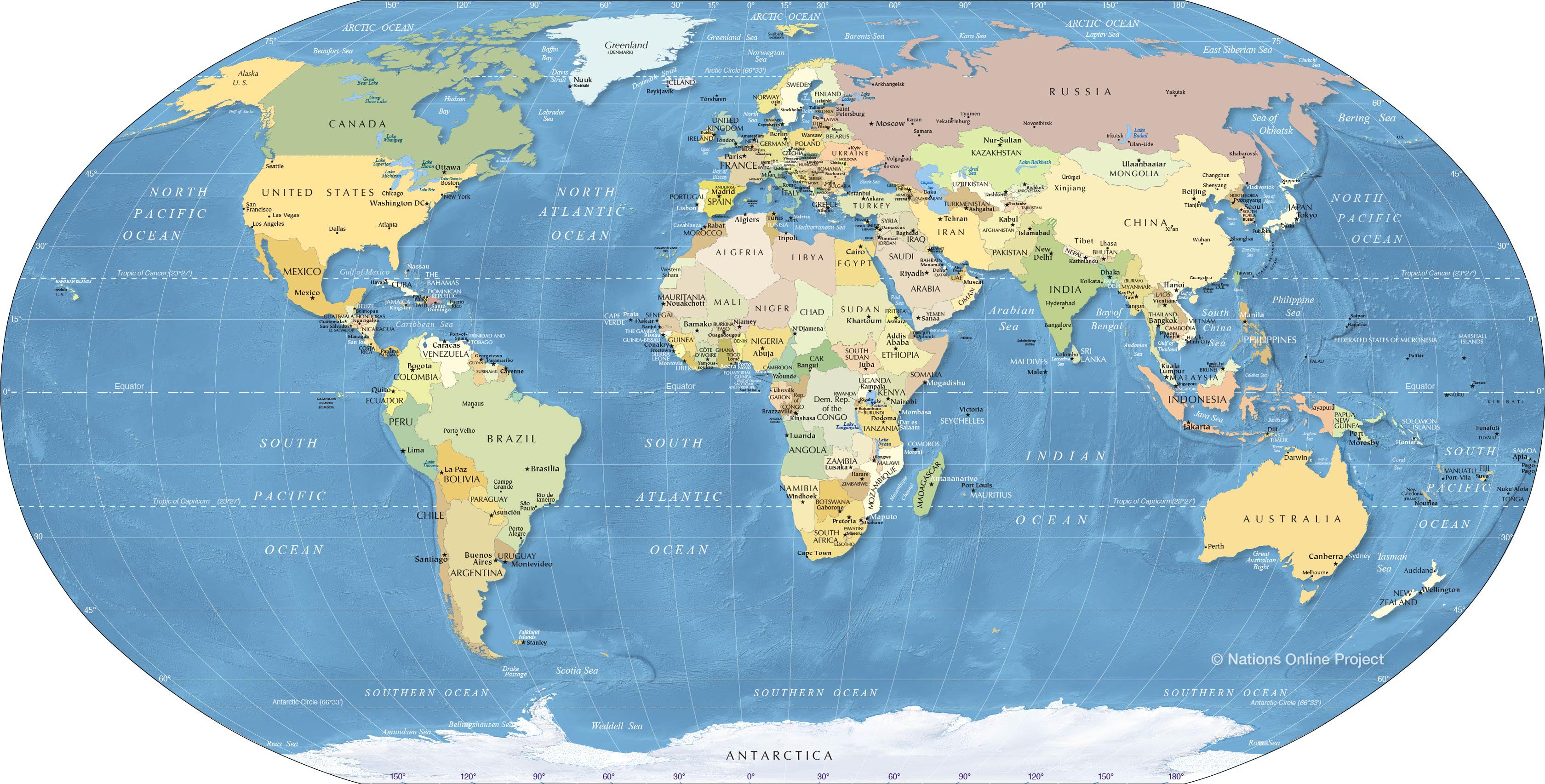
The ground is shifting fast in the Middle East. When state media in Tehran announced that a United States missile strike on the oil-rich Khuzestan province left seven people dead and eight injured, it wasn't just another routine headline. It marked a dangerous escalation that pulls regional proxies and international shipping lanes straight into the crosshairs.
Let's look at what actually happened on the ground and why the ripple effects are already hitting nations hosting American military assets.
The Reality Behind the Khuzestan Strikes
According to reports verified through Iran's official IRNA news agency, the strikes hit three separate locations across Khuzestan, focusing heavily on areas near Ahvaz and Aghajari. Valiollah Hayati, the deputy governor for security and law enforcement in the province, confirmed the casualties.
The US military's Central Command stated that these actions targeted infrastructure tied to the Islamic Revolutionary Guard Corps (IRGC), including air defense networks, communications nodes, and mine-laying assets. But strikes near populated industrial and residential hubs change the political math entirely. They harden domestic resolve inside Iran and give hardliners exactly the ammunition they want.
Houthi Warnings and the Threat to Host Nations
It didn't take long for regional allies to react. In Sanaa, the Houthi-run Foreign Ministry issued an aggressive warning directed straight at nations hosting US military installations. Using state-run outlets, they declared that any country turning its territory into a launchpad for American operations would "pay the price".
This shifts the vulnerability profile for US partners across the Gulf and the wider region. Hosting American hardware used to be a routine security arrangement. Now, local governments have to calculate whether that alliance makes them a primary target for retaliatory missile and drone operations.
The Battle for the Strait of Hormuz
Behind the military exchanges, a high-stakes economic war is playing out in the water. Statements from Washington claim near-total control over the Strait of Hormuz, paired with assessments that Iran's economy is buckling under sustained pressure.
Tehran's response hasn't just been rhetorical. The IRGC Aerospace Force claimed retaliatory ballistic operations targeting foreign bases, such as the Prince Hassan Air Base in Jordan, aiming specifically at drone hangars and logistics units. Whether every claimed hit matches reality matters less than the trajectory. Both sides are doubling down.
The margin for error is shrinking by the hour. When local strikes kill civilians in provinces like Khuzestan, diplomacy takes a backseat to retaliation. If host nations don't reevaluate their exposure to these flashpoints, they might find out the hard way what regional spillover actually costs.
Khuzestan Strikes: Iran Says 7 Killed, 8 Injured in Reported US Missile Strikes
This video provides an overview of the reported US missile strikes in Iran's Khuzestan province and the initial casualty figures announced by state media.
http://googleusercontent.com/youtube_content/1