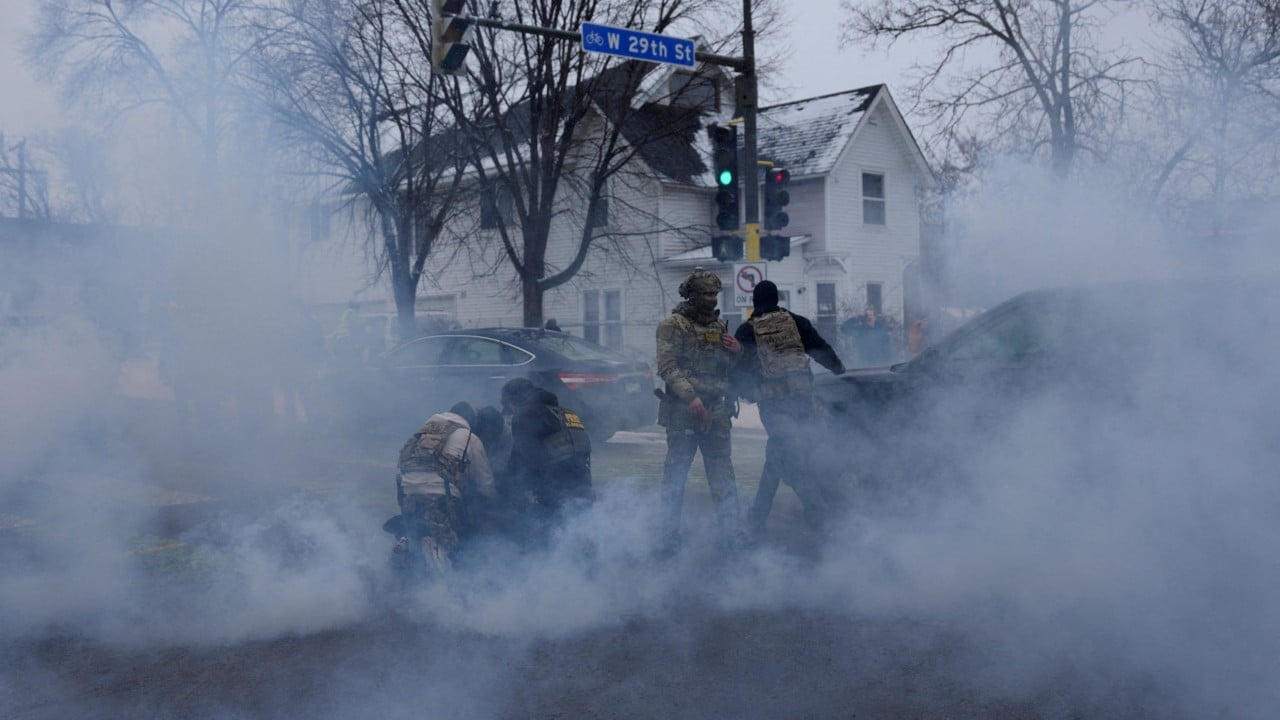
International student mobility operates under an increasingly adversarial risk regime. Families financing overseas education face escalating threat vectors, ranging from administrative policy shifts to sophisticated criminal extortions such as cyber-kidnapping. In response, a specialized preparedness sector has emerged, offering simulated crisis training for outbound students.
Deconstructing this phenomenon requires moving past superficial narratives of parental anxiety. Instead, we must examine the risk management structures, economic trade-offs, and systemic vulnerabilities shaping the contemporary study-abroad pipeline. If you found value in this piece, you might want to look at: this related article.
The Risk Taxonomy of Transnational Education
Outbound students from high-outflow regions navigate three distinct risk categories upon entry into Western academic jurisdictions: regulatory volatility, predatory criminal operations, and institutional compliance friction. Each category exerts a measurable drag on the return on investment of an international degree.
Regulatory volatility stems from shifting enforcement priorities within destination countries. Policy adjustments governing post-graduation work authorizations, visa compliance audits, and interior enforcement operations introduce high variance into multi-year educational investments. For another perspective on this story, see the recent update from Associated Press.
Simultaneously, predatory operations target isolated demographics. Cyber-kidnapping syndicates specifically exploit the linguistic isolation and cultural deference of overseas students. By leveraging remote digital surveillance and psychological coercion, criminals force victims to stage their own abductions to extract ransoms from parents abroad, bypassing traditional physical security perimeters entirely.
The Economics of Hyper-Preparedness
When families invest in specialized survival simulations—ranging from evasion tactics to detention protocol training—they are engaging in rational risk mitigation under conditions of asymmetric information.
The economics of this market depend on perceived institutional failure. Traditional study-abroad agencies traditionally focus on credential acquisition, language proficiency, and admissions logistics. They systematically underwrite security orientation. This creates a market gap filled by private security consultants and simulation camps.
The cost function for these interventions involves two variables:
- Upfront capital expenditure on specialized training modules.
- The opportunity cost of delayed departure or psychological deterrence.
While comprehensive crisis simulations offer high face validity, their actual utility is bounded by the variance of real-world encounters. Standardized drills for immigration enforcement interactions or targeted extortion attempts provide baseline behavioral conditioning, yet they cannot account for the fluid, unpredictable nature of systemic friction points.
Institutional Vulnerabilities and Compliance Friction
Host institutions and regulatory bodies maintain a complex compliance architecture that inadvertently amplifies student anxiety. Navigating visa maintenance protocols requires precise adherence to federal statutes. Any administrative misstep risks immediate status revocation.
Furthermore, high-profile stings and enforcement actions create systemic paranoia. When enforcement agencies deploy deceptive compliance structures—such as monitored non-existent institutions designed to expose administrative fraud—the resulting systemic shock reverberates through international student networks. This environment of heightened scrutiny alters applicant behavior, shifting the optimization function from academic excellence to defensive legal compliance.
Strategic Allocation of Protective Capital
Outbound candidates and sponsor families must reallocate resources away from theatrical crisis simulations and toward structural resilience frameworks.
- Institutionalize multi-channel verification protocols to neutralize remote extortion and cyber-kidnapping vectors before isolation occurs.
- Replace generic enforcement drills with verified legal counsel integration, establishing direct retainers with immigration specialists prior to border crossing.
- Diversify communication redundancies between students and domestic guardians to ensure continuous status verification outside standard digital platforms.
This video provides an investigative look into the digital extortion mechanisms and psychological vulnerabilities that target international students within the global education ecosystem.