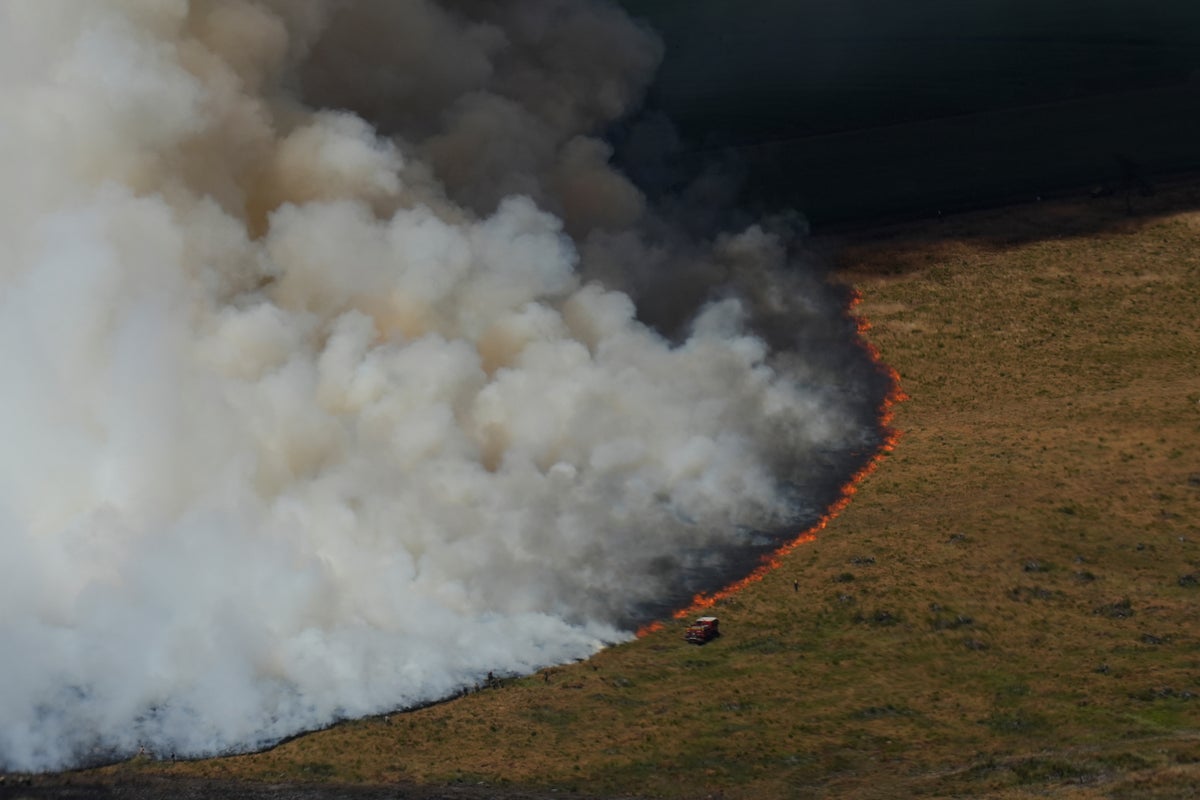
European wildfire severity is not a random environmental anomaly; it is the predictable output of a misaligned operational system. Traditional crisis management treats modern fires as acute emergency responses, failing to address the structural economics of fuel accumulation, meteorological volatility, and suppression capacity limits. Understanding why these fires resist containment requires deconstructing the physical and operational constraints governing modern firefighting across the continent.
The Three Structural Drivers of Escalation
The amplification of wildfire severity across Southern and Central Europe stems from three distinct system failures. First, rural depopulation has eliminated the traditional agricultural land management practices that previously created natural firebreaks through grazing and manual clearing. Second, timber planting policies from the mid-twentieth century favored high-density, highly flammable monocultures such as eucalyptus and maritime pine, which accelerate ignition velocity. Third, thermal accumulation caused by extended drought cycles lowers the moisture content of organic matter below critical combustion thresholds far earlier in the seasonal calendar.
When these three factors converge, the energetic output of a fire front exceeds the cooling capacity of standard aerial and ground suppression assets.
The Suppression Cost Function and Operational Bottlenecks
Fire suppression operates under a harsh law of diminishing returns. Initial attack containment is capital-efficient; once a fire breaches initial containment lines and enters a crown-fire phase, the required resource input scales exponentially rather than linearly.
Fire Size vs. Suppression Cost
[Initial Attack] ----(Linear Scale)----> [Contained]
[Initial Attack] ---(Exponential Scale)-> [Mega-Fire / Crown Phase]
European civil protection agencies face acute logistical bottlenecks during multi-country simultaneous outbreaks. Because nations share aerial assets through cooperative mechanisms like the RescEU reserve, a regional heatwave creates resource contention. When Spain, Greece, and Portugal require heavy amphibious water-scoopers simultaneously, response times degrade. This delay allows small spot fires to transition into high-intensity blazes.
Resource Allocation Failure Points
- Air-to-Ground Coordination Lags: Communication gaps between military aviation units and municipal ground crews slow tactical execution.
- Water Refilling Latency: Aircraft turnaround times depend heavily on proximity to suitable marine or freshwater reservoirs, which are often depleted during droughts.
- Nocturnal Ground Suspension: Most aerial assets are legally or operationally grounded at night, granting fires an uninterrupted multi-hour window for unhindered expansion.
Thermodynamic Constraints of Extreme Fire Behavior
Standard firefighting tactics rely on creating wet or dry firebreaks to starve a fire of fuel. However, crown fires operating under extreme wind conditions generate independent local weather systems. Pyrocumulonimbus clouds form when intense heat drives moisture and particulate matter into the upper troposphere, creating erratic wind patterns that throw burning embers kilometers ahead of the primary front.
Under these conditions, standard perimeter defense is physically impossible. The radiant heat flux forces ground crews to retreat to secondary or tertiary defense lines, abandoning hundreds of hectares of land by default. The metric of success shifts entirely from containment to asset protection, prioritizing human evacuation over structural integrity.
Strategic Realignment for Continental Defense
Mitigating future escalation mandates a pivot from reactive suppression to proactive landscape restructuring.
Public safety budgets must reallocate capital from emergency fleet expansion toward mechanical fuel reduction, prescribed burning windows during off-peak thermal months, and the economic revitalization of rural forestry stewardship. Without modifying the baseline combustibility of the landscape, emergency services will remain trapped in a reactive cycle defined by structural overload and escalating ecological degradation.