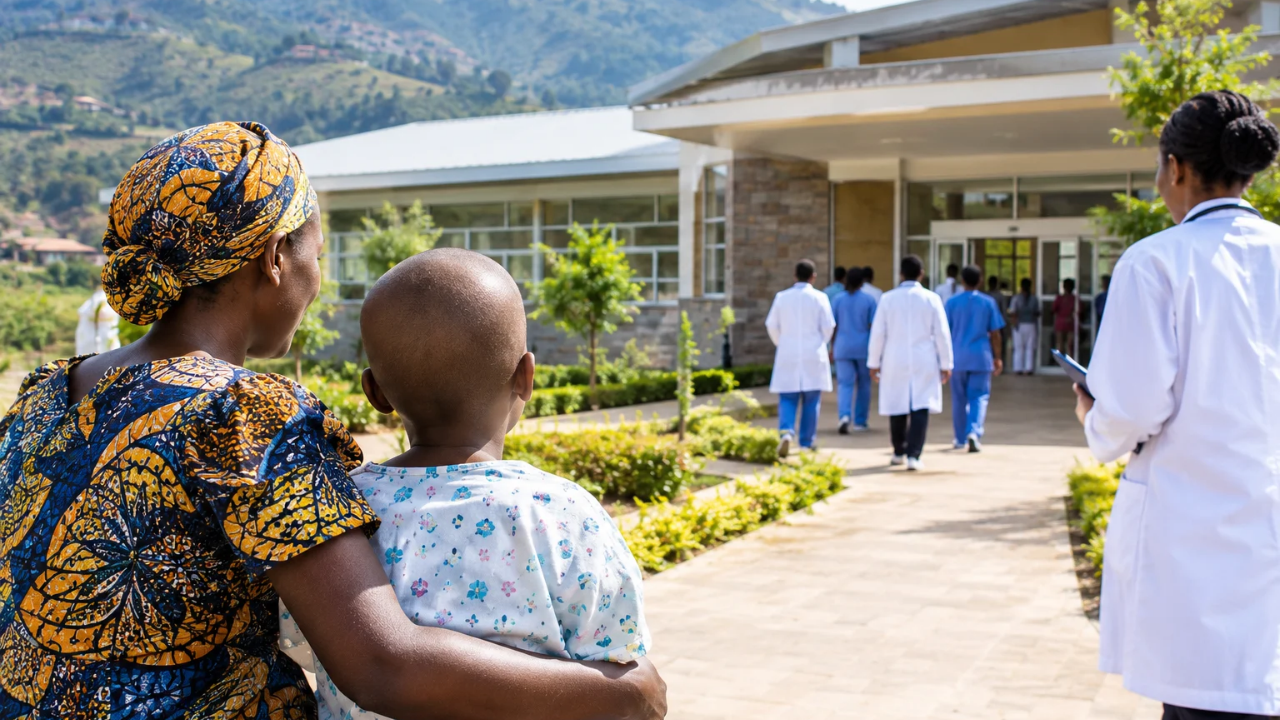
Access to oncological care in developing economies is bottlenecked not merely by capital scarcity, but by the absence of localized clinical infrastructure and supply chain continuity. When philanthropic capital intersects with sovereign healthcare delivery systems, the resulting intervention must be evaluated through the lens of institutional capacity building rather than nominal patient throughput. The establishment of the Butaro Cancer Center of Excellence in Rwanda, supported by external philanthropic foundations including the Jeff Gordon Children's Foundation, offers an empirical case study in scaling tertiary care within a resource-constrained environment.
The Architectural Constraints of Sub-Saharan Oncology
Developing a functional oncology facility requires resolving a multi-variable optimization problem involving capital expenditure, diagnostic precision, pharmacological supply chains, and specialized human capital. Standard healthcare models deployed in high-income economies fail in these regions due to three primary structural failures:
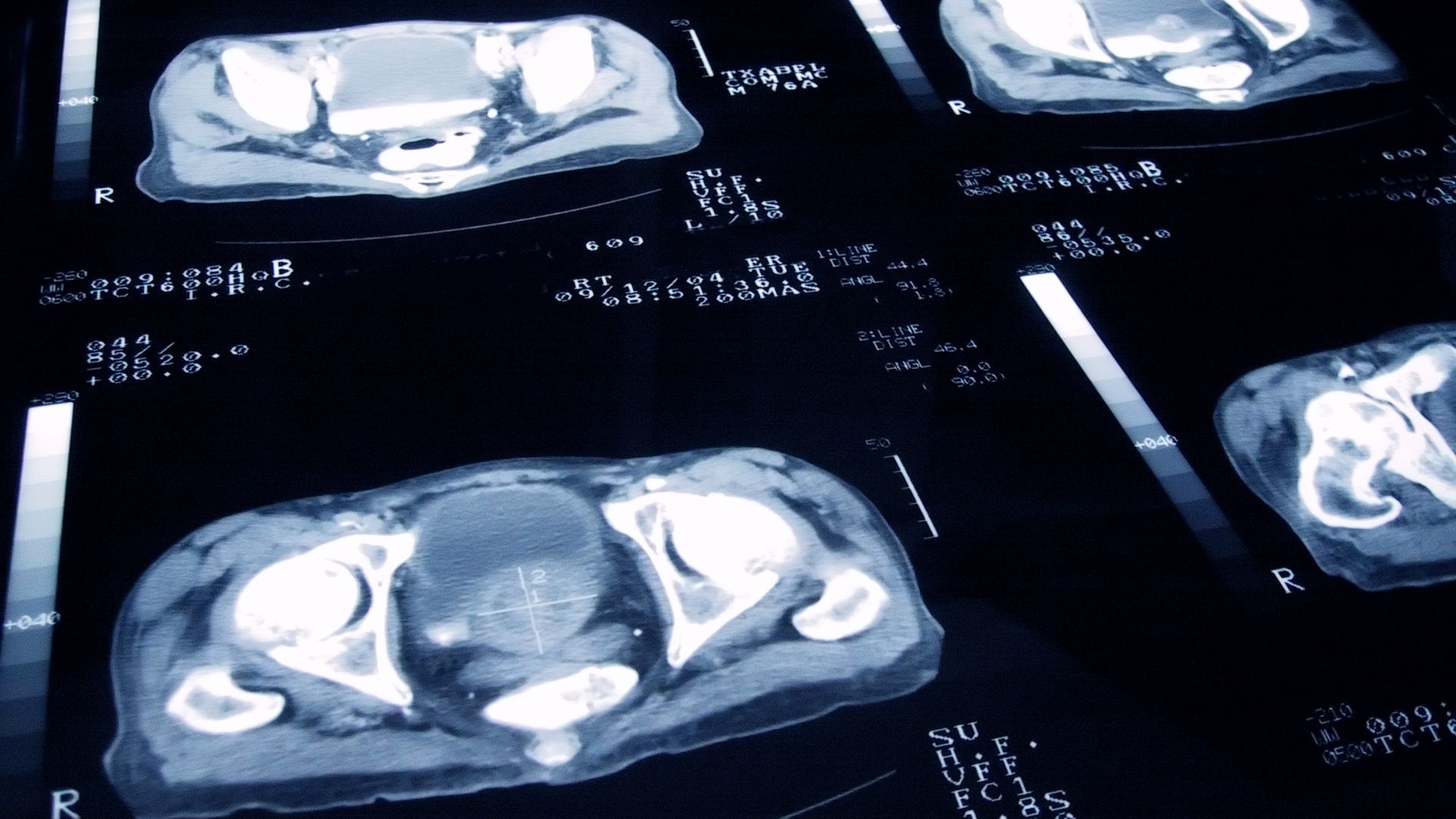
- The Diagnostic Deficit: Without localized pathology laboratories and advanced imaging modalities, patients present at late stages, rendering high-cost therapies ineffective.
- The Logistics Breakdown: Chemotherapeutic agents require cold-chain integrity and predictable importation pathways. Supply chain fragmentation leads to severe treatment interruptions.
- The Talent Concentration: Specialized oncologists, oncology nurses, and medical physicists are heavily concentrated in urban centers or abroad, leaving rural populations entirely underserved.
Addressing these variables demands a systemic restructuring of service delivery, shifting from centralized urban hospitals to decentralized regional hubs integrated with primary care screening networks.
Capital Allocation and Operational Efficiency
The deployment of philanthropic funding in international health initiatives often suffers from diminishing returns due to poor alignment with operational overhead. Sustainable models prioritize capital expenditure toward fixed assets that generate long-term operational leverage.
The financial architecture of successful oncology interventions relies on the co-financing of recurrent costs. While philanthropic grants frequently underwrite initial construction and equipment acquisition—such as linear accelerators, diagnostic hardware, and surgical suites—long-term viability depends on integration into national health insurance frameworks and government budget allocations.
[Philanthropic Capital] -> [Fixed Infrastructure & Equipment]
                                      |
                                      v
[Government Integration] -> [Recurrent Operational Costs & Staffing]
                                      |
                                      v
[Sustainable Patient Throughput] <- [Supply Chain & Clinical Protocols]
When patient volumes scale past eighteen thousand individuals over a multi-year operational window, unit costs per treatment decline significantly, provided that local clinical staff have achieved procedural autonomy.
Clinical Protocol Standardization and Workforce Localization
Scaling care without compromising clinical quality requires rigorous standardization. In resource-limited settings, the importation of Western treatment protocols often fails because the underlying supportive care infrastructure—such as intensive care units, infection control protocols, and blood banks—is absent.
To overcome this, effective clinical frameworks implement adapted guidelines that maximize efficacy within local constraints. This involves:
- Task Shifting: Training general practitioners and oncology nurses to manage routine chemotherapy administration and toxicity monitoring, freeing scarce medical specialists for complex surgical and planning interventions.
- Telehealth Integration: Establishing diagnostic triage channels where regional pathology slides can be reviewed by international or centralized expert panels, reducing diagnostic latency.
- Continuous Professional Development: Embedding residency and fellowship programs directly within the facility to ensure that knowledge transfer is permanent and self-replicating.
Evaluating the Metrics of Longitudinal Impact
Counting raw aggregate numbers, such as total patients evaluated or treated, provides a superficial indicator of activity rather than true clinical efficacy. A rigorous evaluation framework must incorporate five-year survival rates, treatment completion percentages, and the reduction of out-of-pocket catastrophic health expenditures for local households.
When cancer treatment facilities are successfully integrated into national health strategies, they transform from isolated philanthropic projects into resilient public health assets. The strategic imperative for future capital deployment lies in replicating this integrated architecture across secondary referral nodes, ensuring that diagnostic and therapeutic capabilities are geographically accessible to regional populations before disease progression reaches terminal stages.