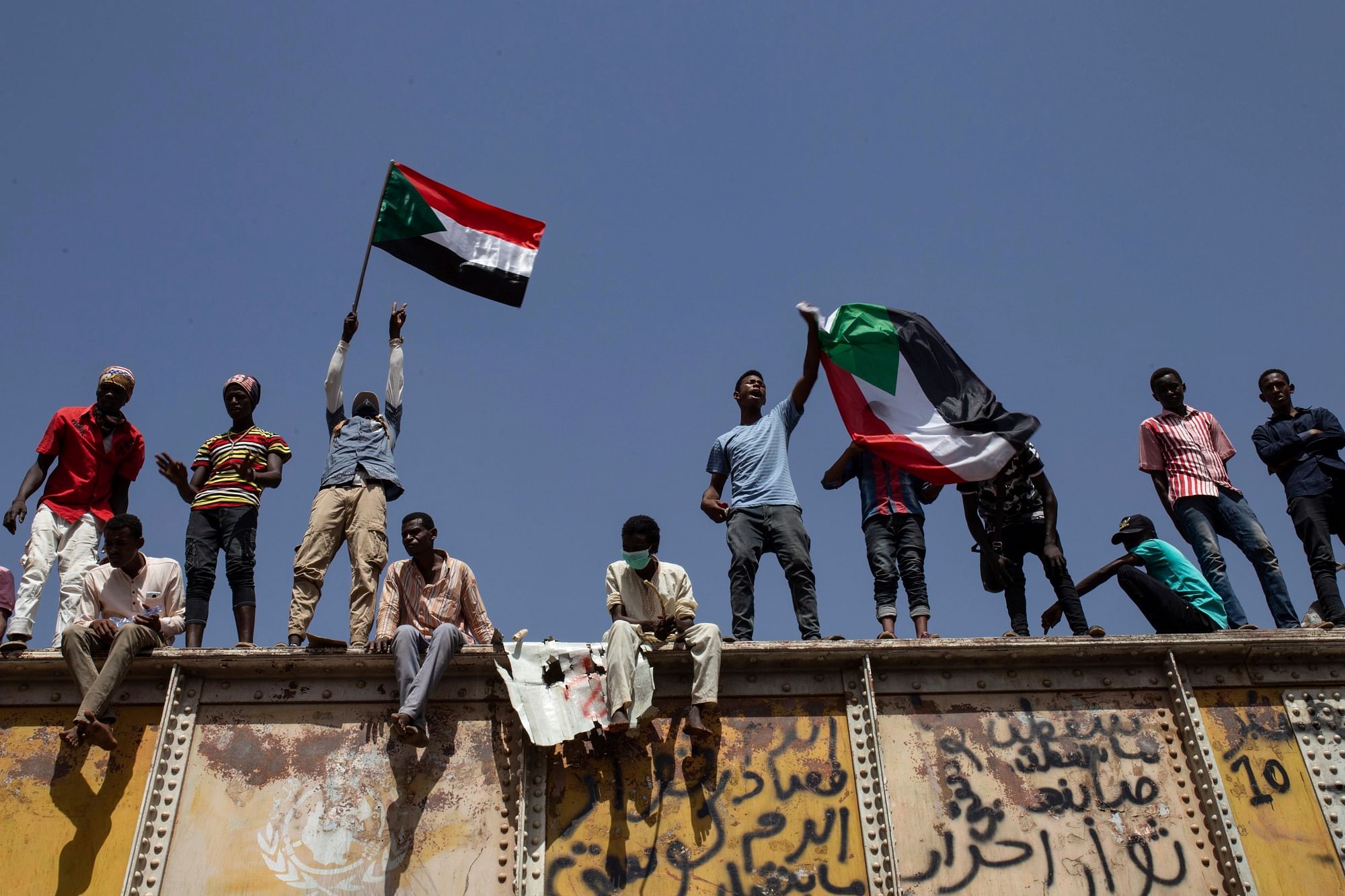
Sudan just pulled its ambassador from Addis Ababa. It’s a move that feels like a cold splash of water on an already shivering region. If you’ve been following the tension along the Blue Nile, you know this isn’t just about a single strike or a border skirmish. It’s about a relationship that’s finally hit a breaking point. Khartoum is angry. They’re claiming Ethiopia launched strikes on Sudanese soil, and they aren't playing the "diplomatic patience" game anymore.
This isn't just a spat between neighbors. It’s a signaling event. By recalling their top diplomat, Sudan’s leadership is telling the world that the era of quiet negotiations over the Fashaga border and the Grand Ethiopian Renaissance Dam (GERD) might be dead. You can’t just look at this as a headline. You have to look at it as the moment the Horn of Africa’s fragile peace started to peel at the edges.
The Strike That Broke the Camels Back
The immediate trigger was a series of strikes. Sudan says Ethiopia targeted their territory. Ethiopia usually denies these things or blames "irregular elements." But the Sudanese Armed Forces (SAF) aren't buying the excuses this time. They see it as a blatant violation of sovereignty.
Think about the timing. Sudan is already fighting an internal war that’s tearing the country apart. The last thing they need is a hot border with a powerful neighbor. Yet, the military leadership in Port Sudan—where the government is currently hunkered down—clearly felt that staying silent would look like weakness.
It’s a high-stakes gamble. If you’re Sudan, you’re already stretched thin fighting the Rapid Support Forces (RSF). Picking a fight with Ethiopia seems suicidal on paper. But from a nationalist perspective, it’s a necessity. They have to show they can still defend the "prestige" of the state, even if they’re losing control of their own capital.
Border Blood Feuds and the Fashaga Factor
The Al-Fashaga region is a piece of land that’s been a thorn in both sides for decades. It’s fertile. It’s valuable. And it’s poorly defined. For years, Ethiopian farmers tilled the soil there while Sudan looked the other way. That changed in 2020.
When Ethiopia got bogged down in its own civil war in Tigray, Sudan saw an opening. They moved in. They reclaimed the land. Ethiopia felt stabbed in the back. They haven't forgotten.
Most analysts will tell you that the recent strikes are just the latest chapter in this land grab saga. Ethiopia wants that land back. Sudan won't give it up. This isn't just about maps. It’s about food security and national pride. When you have two military-led governments facing domestic pressure, the border becomes a convenient place to project strength.
The Dam Shadowing Every Conversation
You can’t talk about Sudan and Ethiopia without talking about the water. The Grand Ethiopian Renaissance Dam is the elephant in the room. Or rather, the 145-meter-tall wall of concrete in the room.
Sudan used to be caught in the middle. They wanted the cheap electricity Ethiopia promised, but they feared for the safety of their own dams downstream. Lately, the vibe has shifted. Sudan has leaned closer to Egypt’s "existential threat" narrative.
- Egypt sees the dam as a death sentence for its water supply.
- Ethiopia sees it as their ticket to becoming an industrial superpower.
- Sudan is stuck in the geographic crossfire.
By recalling the ambassador, Sudan is also signaling to Addis Ababa that their cooperation on the dam isn't guaranteed. It’s leverage. Or at least, it’s an attempt at leverage. In reality, Ethiopia has already filled much of the reservoir. The "negotiation" phase is basically over, leaving Sudan with very few cards to play other than diplomatic tantrums.
Why This Matters to You Right Now
If you think this is just a local African conflict, you’re missing the bigger picture. This region sits right next to the Red Sea. That’s the artery of global trade. If Sudan and Ethiopia slide into a full-scale border war, the instability will leak into the shipping lanes.
We’re already seeing how the Houthi situation in the Red Sea messed up global supply chains. Now imagine a regional war involving two of the biggest militaries in East Africa. It’s a recipe for a humanitarian and economic disaster that will be felt in gas prices and shipping costs in London, New York, and Dubai.
Also, look at the refugee crisis. Sudan is already the site of the world's largest displacement crisis. Millions are fleeing. If the border with Ethiopia becomes a combat zone, the last "safe" exit for many becomes a trap.
The Internal Politics of Distraction
Let’s be honest about something. Governments love a foreign enemy when they’re failing at home.
The SAF is struggling to regain ground against the RSF in Sudan. General Abdel Fattah al-Burhan needs a win. He needs a reason for the Sudanese people to rally behind the army. Nothing does that like "foreign aggression."
On the flip side, Ethiopian Prime Minister Abiy Ahmed is dealing with insurgencies in the Amhara and Oromia regions. A little bit of saber-rattling on the Sudanese border reminds his people that he’s the "defender" of the Ethiopian Renaissance. It’s a classic move from the dictator’s handbook.
The problem is that these "distractions" have a habit of turning into real wars. People die for the sake of a PR win.
The Geopolitical Chessboard
It’s not just these two countries. There are bigger players in the background.
- United Arab Emirates (UAE): Sudan has accused the UAE of backing the RSF. If Ethiopia is seen as friendly to the RSF or the UAE, Khartoum’s anger at Addis Ababa makes even more sense.
- Egypt: Cairo is watching with a smirk. Anything that pressures Ethiopia is a win for them. They’ve been looking for a way to stall the GERD for years.
- Russia and China: Both have massive interests in the region. Russia wants a Red Sea port. China has invested billions in Ethiopian infrastructure. Neither wants a war, but both are willing to sell the weapons that make one possible.
What Happens Next
Don't expect the ambassador to fly back to Addis Ababa anytime soon. This is a long-term freeze.
Sudan will likely take this to the African Union and the UN Security Council. They want to paint Ethiopia as the aggressor. Ethiopia will counter by saying Sudan is harboring rebels or acting as a proxy for Egypt.
The real danger is the "border drift." When diplomats leave, the soldiers take over the conversation. Without a direct line of communication, every small movement of a tank or a drone is interpreted as an act of war.
If you’re tracking this, keep your eyes on the Fashaga border. If we see heavy artillery moving into that sector, the recall of the ambassador wasn't just a protest. It was a prologue.
Watch the statements coming out of the RSF as well. If they start praising Ethiopia, you know the split is permanent. The Sudanese government is basically saying, "If you aren't with us in our time of civil war, you’re against us."
Stay informed by monitoring regional news wires like the Sudan Tribune or the Addis Standard. Don't just wait for the big Western outlets to pick it up three days late. The Horn of Africa moves fast, and right now, it’s moving toward a very dark corner. Expect more sanctions, more heated rhetoric at the UN, and potentially a complete severing of ties if another drone crosses that border.
Get your news from multiple angles. Follow independent journalists on the ground who understand the local languages. The official government statements from both sides are usually 90% propaganda. The truth is somewhere in the mud of the Al-Fashaga fields. Keep your eyes on the satellite imagery of the border. That’s where the real story is being written.