The calendar on the kitchen wall insists it is July. Outside, the neighborhood smells of hot asphalt, blooming jasmine, and the metallic tang of garden hoses watering thirsty lawns. Cicadas hum their frantic, heavy rhythm in the oak trees. It feels like normal. It looks like freedom.
Elena sits at her dining table, staring at a little plastic strip with two bright pink lines.
She has not thought about a virus in months. Nobody has. The coats went into the back of the closet, the hand sanitizer bottles at restaurant entrances dried up into sticky brown crusts, and the mental architecture of panic was dismantled, piece by piece, until it felt like a bad dream from a different lifetime. We collectively decided the story was over. We closed the book. We turned off the lights.
Except the virus never read the final chapter.
Consider what happens next: a scratch in the throat dismissed as air conditioning, a warm forehead ignored after a long day in the sun, and suddenly, a quiet, invisible wave rolls through a population that threw its collective armor into the sea.
Summer is supposed to be our sanctuary. We are conditioned to associate viral misery with gray winter afternoons, sealed windows, and children passing colds around crowded classrooms. Cold weather is supposed to be the predator's season. Warm weather is supposed to belong to us.
Biology, however, does not care about our calendar myths.
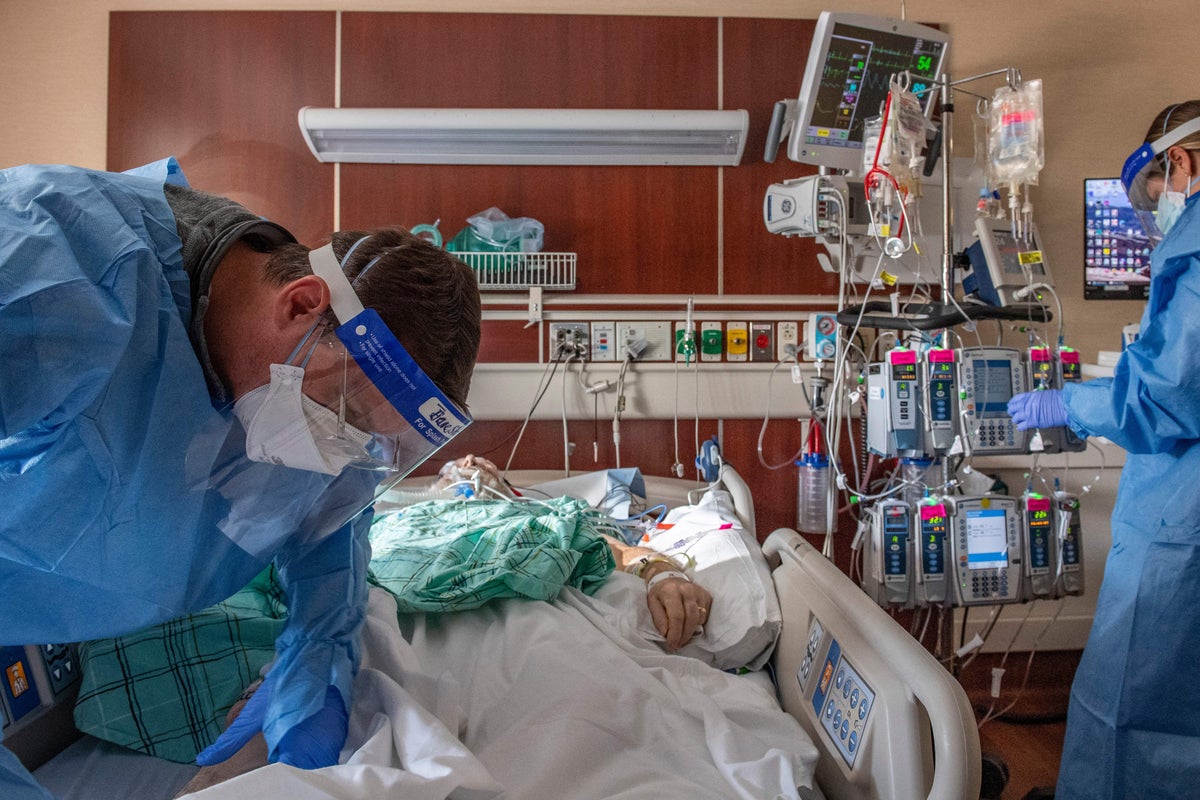
To understand why a summer surge happens when everyone has moved on, we have to look past the macroeconomics of public health and watch how real lives actually operate. Take Marcus, an ICU nurse who spent the better of three years living in a state of hyper-vigilant terror. By last summer, Marcus was hollowed out. He left hospital work, started a landscaping business, and began breathing in the scent of cut grass instead of chemical disinfectants. When a mild uptick in hospital admissions hits the local news feed now, Marcus scrolls past it. He has emotional scar tissue. He refuses to pick up the ghost of a burden he fought so hard to put down.
That exhaustion is not a character flaw. It is a biological and psychological necessity. Humans are simply not wired to stay at a DEFCON-1 level of alertness indefinitely. We adapt. We normalize. Even when the baseline reality shifts beneath our feet.
The mechanics of this warm-weather resurgence are deceptively simple, yet they catch us off guard every single time.
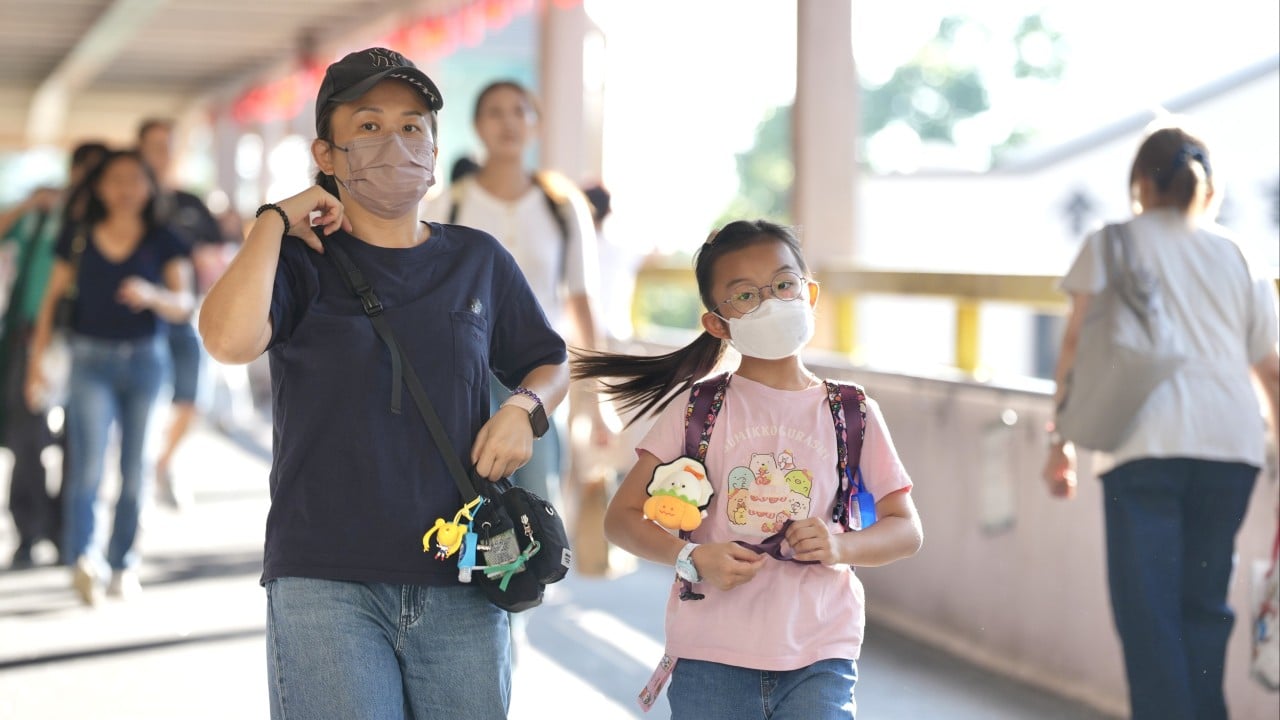
First, human behavior changes. When the temperature spikes, we do not retreat indoors; we huddle together in the blast of indoor air conditioning. We trade the safety of open-air breezes for recirculated, cooled air in crowded movie theaters, packed airport terminals, and air-conditioned offices where windows are permanently fused shut. We crowd into vacation rentals, share cars on road trips, and pack music festivals shoulder-to-shoulder.
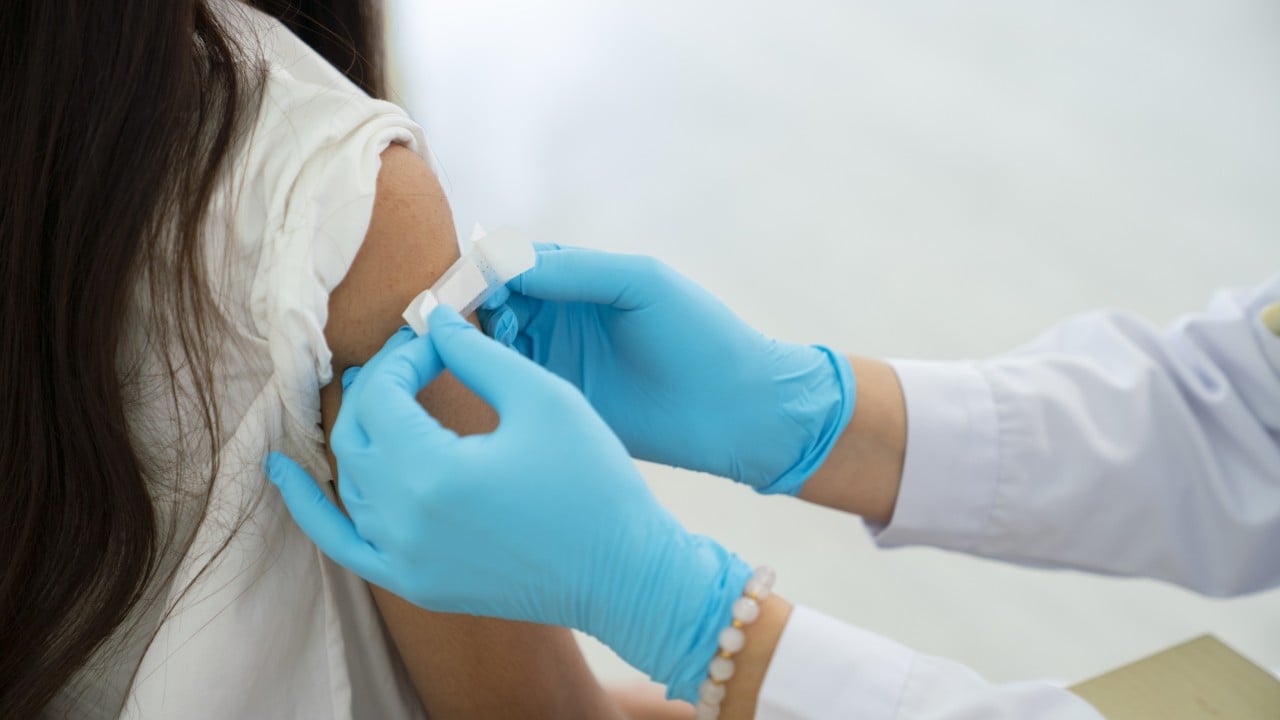
Second, the virus itself does not sit still. It mutates. It drifts. It finds the tiny gaps in our fading immunity like water finding a hairline crack in a basement wall. The antibodies we built from our last booster shot or our last bout of illness last winter have long since begun their slow, inevitable decay. They are like an old security guard falling asleep at the gate.
Let us be completely honest about how this feels. It is infuriating.
There is a profound psychological toll to realizing that a problem we solved in our minds is still very much active in the physical world. It triggers a strange cocktail of anger, fatigue, and denial. Nobody wants to hear about variants when they are trying to book a weekend getaway to the lake. Nobody wants to calculate risk when they are finally sitting across from old friends at an outdoor patio that turns out to be packed inside because of a sudden afternoon thunderstorm.
We want a clean narrative. We want a story with a beginning, a middle, and an absolute end. We want the villain to be defeated, the credits to roll, and the actors to take their bows.
Real life refuses to cooperate.
When public health reports note a rise in summer wastewater concentrations or a subtle uptick in emergency room visits, the numbers sound abstract. They sound like spreadsheets and technical jargon designed to ruin a good mood. But behind every data point is an individual story. It is the bride who tests positive two days before her wedding. It is the grandfather whose routine check-up gets complicated by a respiratory infection that lingers like an uninvited guest. It is the frontline worker who feels that cold, familiar knot tighten in her stomach when she hears the phrase "emerging variant."
We have moved on. The virus has not.
This creates a dangerous mismatch between our psychological readiness and our biological reality. Because we believe the threat is dead, we drop all friction. We stop testing. We cough into our hands at the grocery store. We visit elderly relatives without a second thought because, after all, it is July, and nobody gets sick in July.
That hubris is our vulnerability.
The danger of a summer wave is not that it will mirror the catastrophic peaks of years past—our collective immunity, built through a messy combination of vaccination and prior infection, acts as a sturdy floor beneath our feet. The danger is disruption. It is the sudden friction in a society that has unlearned how to pivot. It is the quiet accumulation of chronic health issues that linger long after the acute fever breaks.
We are standing in a strange cultural liminal space. We are exhausted by caution, yet vulnerable to consequence.
What does a mature response look like in this environment? It does not look like panic. It does not look like shutting down the world or masking alone in an empty car. It looks like radical acceptance of ambiguity. It looks like acknowledging that the world is complex, that biology does not bend to our fatigue, and that sometimes, caring for one another requires a momentary pause of inconvenience.
Elena looks down at the two pink lines on the plastic strip. She sighs, walks over to the kitchen counter, and cancels her dinner plans for the evening. She texts her friends. She opens a window, letting in the heavy scent of summer jasmine and the sound of the cicadas. She is disappointed, yes. But she is also awake.
The cicadas keep singing their ancient song, indifferent to human schedules, indifferent to our fatigue, marching steadily through the heat of the afternoon toward the long, cool shadows of the evening.