Every four years, sports business pundits look at the creeping commercialization of the FIFA World Cup final and fall into the same lazy trap. They see a star-studded halftime show, multi-million dollar ad spots, and a week-long corporate activation village, and they proudly declare: "Look, the World Cup is finally turning into the Super Bowl."
It is a comforting narrative for Western media executives. It is also entirely backward.
The idea that soccer’s ultimate prize is aspiring to match the blueprint of American football's showpiece event is a delusion born of insular metrics. The Super Bowl isn't the blueprint; it is a localized anomaly. While the NFL has mastered the art of maximizing revenue per viewer within a single domestic market, FIFA operates on an entirely different plane of geopolitical and cultural relevance.
The World Cup final isn't becoming the Super Bowl. The Super Bowl is desperately trying to mimic the global, monocultural grip that soccer has held for a century. And it is losing.
The Scale Myth: 100 Million vs. One Billion
Let’s dismantle the numbers first, because the "lazy consensus" loves to equate cultural noise with actual reach.
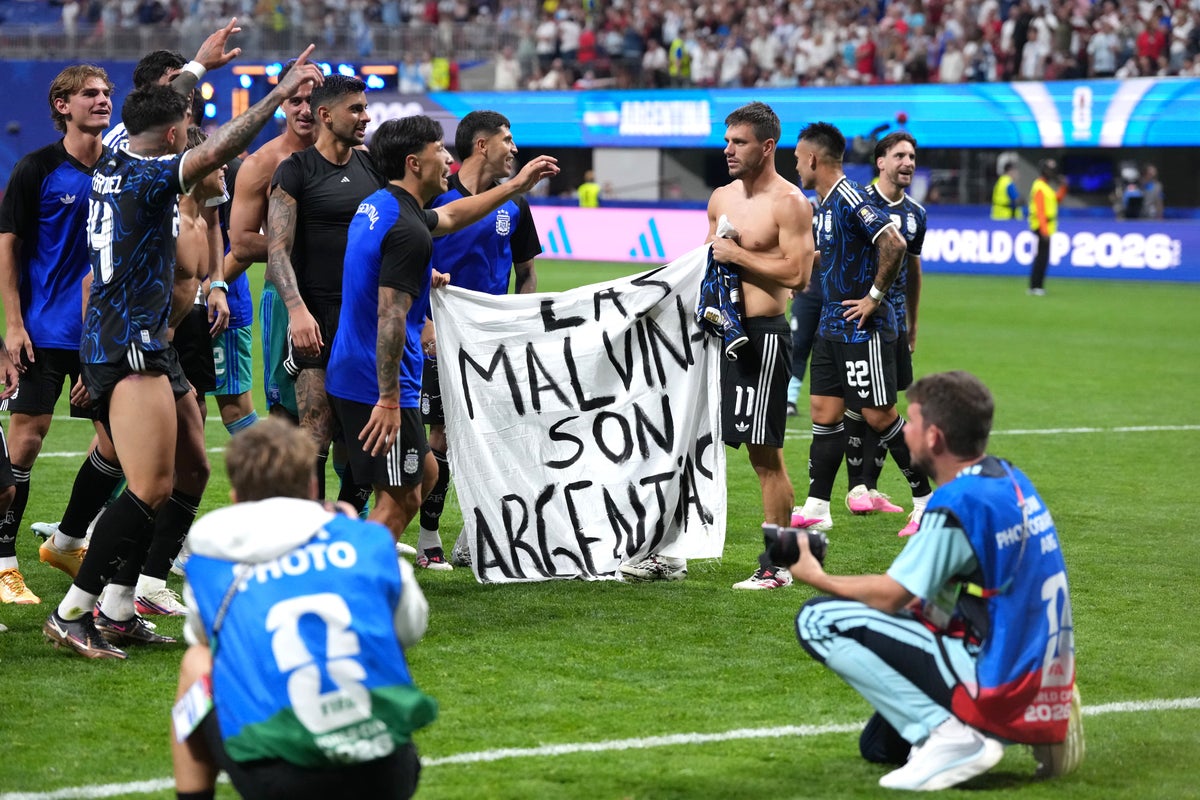
A standard, highly successful Super Bowl pulls in roughly 110 to 120 million viewers. To American advertisers, this is the holy grail. To the rest of the world, it is a rounding error. The 2022 World Cup final between Argentina and France drew an estimated 1.5 billion viewers globally.
The Reality Check: Nearly one-fifth of the entire human population watched Lionel Messi lift the trophy in Qatar. The Super Bowl barely captures one-third of a single continent.
To argue that the World Cup is becoming the Super Bowl because it added a concert at halftime is like saying the Atlantic Ocean is trying to resemble a luxury swimming pool because someone dropped an inflatable raft into it. The scale is fundamentally mismatched.
The NFL is a hyper-optimized corporate product designed to monetize attention through forced breaks, structural downtime, and relentless commercial repetition. Soccer is a continuous, fluid narrative where the game itself is the product, not the vehicles surrounding it. When you try to force the Americanized, ad-heavy infrastructure onto a global soccer audience, you don't elevate the event—you dilute it.
The Halftime Show Illusion
The chief argument for the "Super Bowl-ization" of soccer is the introduction of massive entertainment acts to the pre-game and halftime slots. Critics point to artists like Shakira, Jennifer Lopez, or Will.i.am performing at global tournaments and claim the NFL’s entertainment-first philosophy has won.
This misses the psychological mechanics of the two audiences.
People watch the Super Bowl for the halftime show and the commercials. According to data from various consumer research groups, a massive percentage of the Super Bowl’s domestic audience tunes out during the actual play. The sport is the backdrop; the spectacle is the main event.
In a World Cup final, the entertainment is an annoying obstacle.
I have sat in stadiums during global tournaments where the pre-match pop performance was met not with awe, but with a wall of whistling and booing from fans who viewed the stage setup as a distraction from the impending 90 minutes of existential tension. Soccer fandom is tribal, ancestral, and nationalistic. It does not require a pop star to validate its importance. The NFL requires the spectacle because the game itself is broken up by over a hundred commercial breaks, requiring artificial spikes of adrenaline to keep the casual viewer from changing the channel.
Commercialization vs. Americanization
Let’s define the mechanism at play here. There is a distinct difference between globalization and Americanization.
FIFA is, without question, a ruthlessly capitalist entity. They want every dollar, euro, and riyal they can squeeze out of the sport. But their commercial playbook isn’t stolen from Roger Goodell; it is stolen from Olympic history and adapted for a borderless digital world.
- The Super Bowl Model: High-density domestic monetization. Massive fees for localized TV spots (e.g., $7 million for 30 seconds) targeted at an audience with high disposable income.
- The World Cup Model: Low-density, hyper-scale global monetization. Long-term, multi-decade partnerships with global brands (Coca-Cola, Adidas, Visa) that look to establish market dominance across hundreds of nations simultaneously.
When Western commentators see luxury suites, fan zones, and corporate hospitality packages in Doha or Paris, they assume it’s an American invention. It isn't. It’s the natural evolution of global sports capitalism.
The irony is that while American media claims the World Cup is adopting the Super Bowl format, the NFL is the one changing its entire operational structure to look like European soccer. Why is the NFL playing regular-season games in London, Munich, and São Paulo? Why are they desperate to establish international home marketing areas? Because they have hit the ceiling of domestic growth. They are looking at FIFA's global footprint with pure envy.
The Structural Threat of the American Format
Here is the truth nobody in the sports marketing world wants to admit: trying to inject the Super Bowl’s structural pacing into soccer is a dangerous gamble that could alienate the core demographic.
The beauty of soccer lies in its unbroken clock. Two 45-minute halves of uninterrupted drama. This format creates a compounding tension that cannot be replicated in American sports. When you add artificial water breaks, prolonged video assistant referee (VAR) delays, or extended halftime spectacles to appease broadcasters, you kill the very thing that makes the sport a global obsession.
Imagine a scenario where FIFA succumbs entirely to the American broadcast model. They split the game into four quarters to allow for dedicated TV timeouts. They extend halftime to 30 minutes to accommodate a massive stadium concert.
What happens? You don't attract more fans; you break the psychological flow of the match. The local fanbases in South America, Europe, and Africa—the people who form the cultural bedrock of the sport—will reject the product. The American sports market is built on consumerism; the global soccer market is built on identity. You cannot swap one for the other without destroying the soul of the game.
The Verdict on the Global Stage
The Super Bowl is a magnificent piece of entertainment engineering. It is the peak of domestic sports marketing, a masterclass in extracting maximum value from a single nation's attention span.
But stop comparing it to the World Cup final.
One is an annual corporate holiday for a single country. The other is a quadrennial geopolitical event that halts global productivity, dictates national moods across hemispheres, and commands the attention of billions without needing a single musical guest or a self-referential commercial to justify its existence.
The World Cup doesn't need to look like the Super Bowl. The Super Bowl can only dream of matching the gravity of the World Cup.