Thirty-two years after she strapped her two young sons into her car and rolled it into a South Carolina lake, Susan Smith still isn't going anywhere. If you've followed the headlines out of Columbia, South Carolina, the latest parole denial probably didn't shock you. Honestly, it shouldn't shock anyone who understands how the South Carolina Board of Paroles and Pardons operates—or how deeply this specific crime scarred an entire generation.
Smith became eligible for parole in November 2024 after serving the mandatory minimum of 30 years of her life sentence. She got turned down then. Two years later, marking 32 years since the October 1994 drownings of three-year-old Michael and 14-month-old Alex, the board delivered the exact same answer. No.
Most people reading brief news blurbs think parole hearings are purely about whether an inmate has been quiet and polite for three decades. That's a massive misconception. In high-profile South Carolina cases, good behavior inside a cell barely scratches the surface of what the board actually weighs.
The Reality Behind the Susan Smith Parole Denial
To understand why the board keeps shutting the door, you have to look at what happened in Union, South Carolina, in the fall of 1994. For nine agonizing days, Smith stood in front of television cameras weeping and pleading for the safe return of her boys. She claimed a Black man had carjacked her at gunpoint and driven off with Michael and Alex still in the backseat.
It was a calculated lie. Law enforcement mobilized across the state. Volunteers searched wooded areas and side roads while Smith played the role of a devastated mother on national morning shows.
Then the truth broke. Investigators found her maroon Mazda Protegé submerged in John D. Long Lake with both boys still buckled into their car seats. Smith confessed she had let the car roll down the boat ramp intentionally. Prosecutors argued she did it because a wealthy local man she was having an affair with had ended their relationship, partly because he didn't want the responsibility of raising children.
In July 1995, a jury convicted her of two counts of murder. They spared her the death penalty, sentencing her instead to life in prison with the possibility of parole after 30 years.
Why Time Served Isn't Enough for the Board
Under South Carolina law, being eligible for parole doesn't mean you have a right to walk out the front gate. When you sit down and analyze how parole boards evaluate violent offenders, three factors dominate the room:
- The sheer brutality and deception of the crime. It wasn't a split-second snap. Smith drove to the lake, exited the vehicle, and watched it sink. Then she spent over a week fabricating a racially charged kidnapping hoax that terrorized a community.
- Victim impact and opposition. David Smith, the boys' father, alongside other family members and original prosecutors, has consistently and forcefully opposed her release. In South Carolina, victim opposition carries tremendous weight during parole deliberations.
- Institutional conduct and psychological readiness. Parole boards look closely at whether an inmate truly grasps the gravity of their actions or if they're still centering their own pain and victimhood.
During her initial parole hearing in November 2024, the seven-member board voted unanimously—7 to 0—against releasing her. Even when inmates get a second crack at it two years later, overturning a unanimous denial in a notorious child-murder case is almost unheard of.
What Most People Miss About Her Prison Record
When casual observers hear "32 years in prison," they picture someone sitting quietly in a library reading books and repenting. That's not the full picture of Susan Smith's time inside the South Carolina Department of Corrections.
Her disciplinary record over the decades has been far from spotless. Public records released by the department show multiple infractions over the years, and they aren't minor administrative slip-ups.
Early in her sentence, back in 2000 and 2001, Smith was caught having inappropriate sexual relationships with two different prison guards at the Women's Correctional Institution in Columbia. Both officers were eventually convicted and lost their jobs. Later, after being transferred to Leath Correctional Institution in Greenwood, she racked up infractions for possessing narcotics and marijuana, self-mutilation, and even using unauthorized communication channels to reach out to people on the outside.
Think about how a parole board reads that file. You're asking seven state appointees to trust that a woman who manipulated an entire nation in 1994—and repeatedly manipulated prison staff and rules over the next two decades—can safely re-enter society without supervision issues. It's a tough sell. Almost an impossible one.
The Problem With Remote Hearings and Public Scrutiny
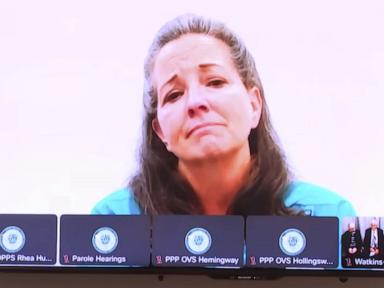
In South Carolina, parole hearings for violent offenders draw intense media coverage. During her 2024 appearance, Smith spoke via video link from prison, weeping as she asked for forgiveness and claimed she wasn't the same person she was at 22.
Parole board members hear that exact speech every single week. They're trained to look past tears on a monitor. What matters to them is concrete evidence of accountability, documented rehabilitation, and whether releasing the inmate diminishes the seriousness of the offense.
In South Carolina's legal framework, the board can deny parole simply because releasing the prisoner would depreciate the seriousness of the crime or promote disrespect for the law. You don't even need a bad disciplinary sheet to lose on that ground alone. When the victims are a toddler and an infant drowned by their own mother, that statutory standard becomes a brick wall.
How South Carolina Parole Rules Actually Work
If you're wondering why she keeps getting hearings every two years instead of being locked away permanently without review, blame the sentencing laws from the 1990s.
In 1995, when Smith was sentenced, South Carolina permitted "life with parole after 30 years" for capital murder cases where the jury rejected the death penalty. Shortly after high-profile cases like hers, the state legislature tightened the screws. Today, a life sentence in South Carolina generally means life without the possibility of parole.
Because laws can't be applied retroactively to make a punishment harsher, Smith remains under the 1995 sentencing guidelines. That guarantees her a statutory review every two years following her initial eligibility date, unless the board invokes specific statutory bars or the laws governing review intervals change.
Here is what happens behind the scenes every time her name comes back up on the docket:
- Notification of victims and prosecutors. The Department of Probation, Parole and Pardon Services notifies registered victims—including David Smith—and the Seventh Circuit Solicitor's Office weeks in advance.
- File review by board investigators. Agents compile her complete institutional history, psychological evaluations, program completions, and housing plans on the outside.
- The public hearing. Victims, family members, and law enforcement get time to speak directly to the board. The inmate is allowed a brief statement, usually via video conference.
- The vote. In South Carolina, cases involving violent crimes require a supermajority—typically a two-thirds vote of the full board—to grant parole. A simple majority isn't enough.
That supermajority rule is the killer detail most news articles leave out. Even if two or three board members felt sympathetic after 32 years, swaying enough votes to clear a two-thirds threshold for a notorious double-child killer is nearly impossible.
The Lingering Impact on Union County and Beyond
You can't separate the legal mechanics from the human reality. Ask anyone who lived in Union, South Carolina, in October 1994, and they'll tell you the town still carries the scar.
Neighbors donated money, cooked food for searchers, and prayed at vigils alongside Smith. Local Black residents endured nine days of suspicion and tension because Smith invented a phantom Black carjacker to cover her tracks. When Sheriff Howard Wells finally confronted her with inconsistencies in her story and extracted her confession, the sense of betrayal hit the community like a physical blow.
David Smith has spoken publicly over the years about the permanent void left in his life. Losing both of your children at once is unimaginable; discovering their mother murdered them to clear her dating calendar is something no human being ever fully recovers from. Every two years, when the parole calendar rolls around, David and his family are forced to relive the worst days of their lives just to make sure the state keeps its promise of justice.
What You Should Watch for in Future Parole Cycles
If you want to track how South Carolina handles legacy life sentences like Susan Smith's—or understand how victim advocacy shapes parole outcomes in your own state—don't just read the two-paragraph wire alerts when a hearing happens.
Look directly at the South Carolina Department of Probation, Parole and Pardon Services (SCDPPPS) public docket announcements, which post upcoming hearing schedules and official vote tallies. Pay attention to whether victim opposition remains unified and whether the inmate has remained infraction-free during the preceding 24 months. Until those variables shift dramatically—and in a case this infamous, they likely never will—every two-year review is going to end the exact same way.