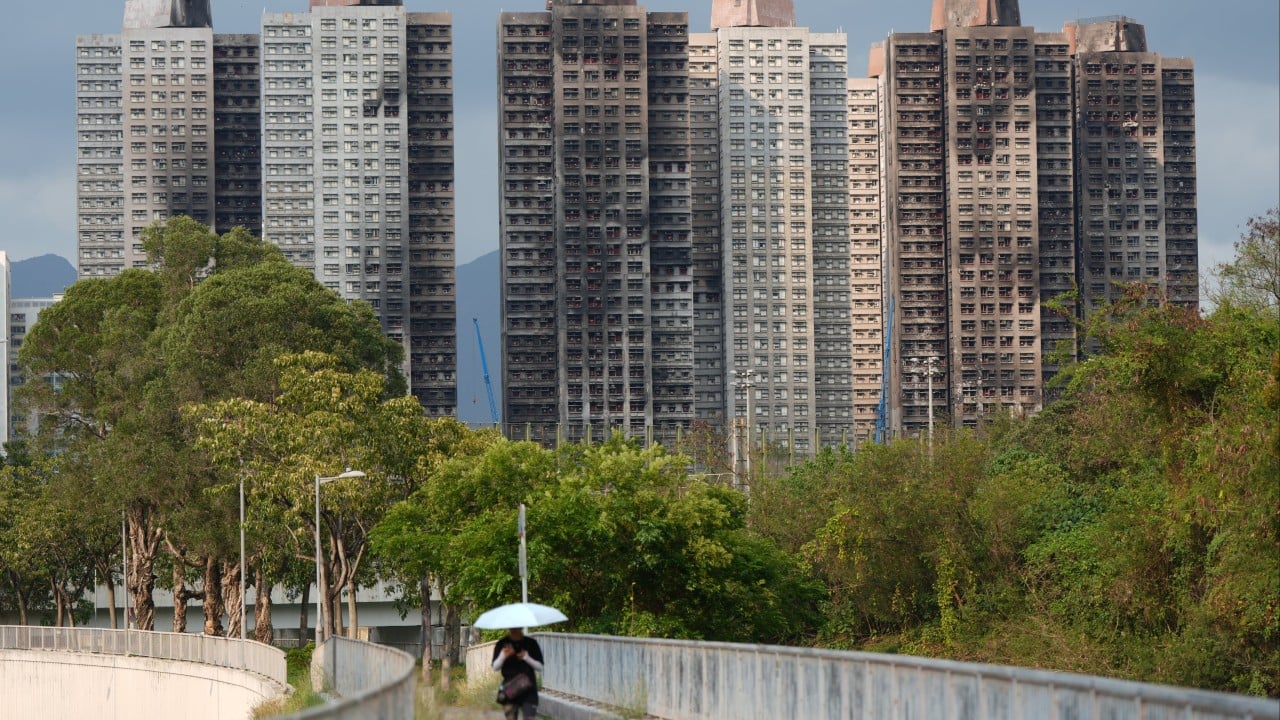
The inquiry into the Tai Po tenement blaze has laid bare a harrowing reality for Hong Kong residents. Fire services personnel, traditionally viewed as the shield between civilians and the furnace, operated under a protocol that prioritized containment of the fire over the immediate extraction of trapped individuals. This was not a random lapse in judgment by a few frontline officers. It was the execution of a specific operational doctrine that backfired with lethal consequences. The probe's findings suggest that while the fire was technically "managed," the human cost of that management was ignored until it was too late.
A Doctrine of Containment Over Rescue
In the tight, oxygen-starved corridors of Tai Po’s older residential blocks, time is the only currency that matters. When the alarm sounded, the immediate instinct of any witness was to expect a frantic, aggressive search-and-rescue operation. Instead, testimony from the recent inquiry reveals a calculated, almost clinical focus on "preventing spread."
Firefighters are trained to evaluate the structural integrity of a building and the risk of a "flashover"—a terrifying phenomenon where every combustible surface in a room ignites simultaneously. In the Tai Po incident, the command structure determined that the risk of the fire jumping to adjacent units or compromising the stairwell outweighed the immediate benefits of a "snatch and grab" rescue.
They played it safe. They followed the book. And while they were following the book, people inside were breathing in a toxic cocktail of burning plastic and treated wood.
The logic behind this strategy is rooted in modern fire science, which argues that a controlled fire is easier to move through than an uncontrolled one. By focusing water monitors on the seat of the fire first, the department aims to lower the ambient temperature throughout the structure. The theory is that this makes the eventual rescue safer for both the victim and the rescuer. However, theory collapses when faced with the reality of subdivided flats.
The Death Trap of Subdivided Units
Tai Po, like much of old Kowloon and the New Territories, is a graveyard of architectural intent. Original floor plans mean nothing here. A single three-bedroom apartment is often sliced into five or six "coffin homes" or tiny studios using plywood partitions and makeshift electrical wiring.
When the Fire Services Department (FSD) arrives at a scene like the Tai Po blaze, they are often working off outdated maps or no maps at all. The inquiry heard that crews encountered unexpected internal walls that hampered their movement and trapped smoke in pockets where civilians were hiding.
- Partitioning: Plywood and cheap drywall burn faster than structural concrete, creating an internal firestorm.
- Obstruction: Narrowed hallways make it impossible for two firefighters in full gear to pass each other while carrying an unconscious victim.
- Ventilation: Illegal modifications often block windows or fire escapes, turning rooms into pressure cookers.
If the command staff prioritizes "containment" in a subdivided building, they are essentially deciding to let the interior of those units reach unsurvivable temperatures while they secure the perimeter. It is a mathematical approach to human life. The inquiry has forced a grim question into the public record: At what point does a "strategic delay" become negligence?
Communication Breakdowns at the Command Post
A recurring theme in the testimony was the disconnect between the boots on the ground and the officers at the mobile command unit. While the men in the smoke were hearing screams, the orders coming through the radio remained focused on "securing the water supply" and "establishing a defensive perimeter."
In high-stress environments, information decay is a known enemy. A firefighter sees a hand at a window; by the time that information is relayed to a captain and then to a divisional commander, it is filtered through a lens of departmental liability and standard operating procedures. The "risk-averse" culture that has permeated the upper echelons of Hong Kong’s civil service appears to have finally infected the fire grounds.
The inquiry heard that there were several "windows of opportunity" where a small team could have entered the primary fire floor before the heat became absolute. These windows were missed. Not because of cowardice—the bravery of individual firefighters is rarely in question—but because of a chain of command that demanded a "stabilized scene" before a rescue could be authorized.
The Equipment Gap and the Reality of Modern Firefighting
The department often touts its acquisition of thermal imaging cameras and advanced breathing apparatus. Yet, the Tai Po probe highlighted that high-tech gear is useless if the tactical mindset is stuck in the 1980s.
Thermal imaging should, in theory, allow a crew to bypass the flames and head straight for the heat signatures of survivors. However, witnesses testified that the density of the smoke and the sheer amount of junk stored in the building's common areas rendered much of this technology ineffective. The firefighters were effectively blind, navigating by touch through a maze of burning debris.
If the department is going to rely on a "containment first" strategy, they must have the tools to suppress fire instantly. They didn't. The inquiry noted delays in establishing high-pressure lines, partly due to the aging infrastructure of the Tai Po district itself. The fire hydrants in these older neighborhoods often lack the pressure required for the modern "offensive" tactics used in cities like New York or London.
The Accountability Vacuum
Who is actually responsible when a strategy fails? The Fire Services Department has defended its actions by stating that their officers followed "established protocols." This is a classic bureaucratic shield. If the protocol itself is flawed, or if it doesn't account for the unique horror of Hong Kong’s subdivided housing crisis, then the protocol is the problem.
The inquiry has exposed a lack of flexibility in the field. There is a palpable fear among mid-level officers that deviating from the manual—even to save a life—will lead to a disciplinary hearing if things go wrong. When the system punishes initiative, you end up with a department that prioritizes the "process" of firefighting over the "purpose" of firefighting.
Rebuilding Public Trust Through Radical Transparency
The residents of Tai Po, and indeed all of Hong Kong, are now left wondering if the sirens they hear in the night are coming to save them or simply to manage the fire that kills them. To fix this, the FSD cannot simply issue a press release about "increased training."
There needs to be a fundamental shift in how the department categorizes "risk." Saving a life is inherently risky. It requires a level of aggression that is currently being discouraged in favor of safety metrics and equipment maintenance logs. The inquiry must result in a mandate that places "Search and Rescue" as the non-negotiable primary objective from the moment the first engine arrives on the scene, regardless of the fire’s containment status.
We are looking at a future where these aging buildings will only become more dangerous. The density isn't decreasing. The illegal subdivisions aren't disappearing. If the fire service continues to prioritize the structure over the souls inside it, the Tai Po tragedy will not be an isolated incident; it will be a recurring nightmare.
The department must decide if they are a logistics organization or a life-saving one. The families of the victims already know which one they saw on that day in Tai Po. They saw a well-organized group of professionals watching a building burn while their loved ones were inside, waiting for a rescue that the protocol had already decided was too risky to attempt.
Stop managing the fire. Save the people. Empty the buildings first, then worry about the concrete.