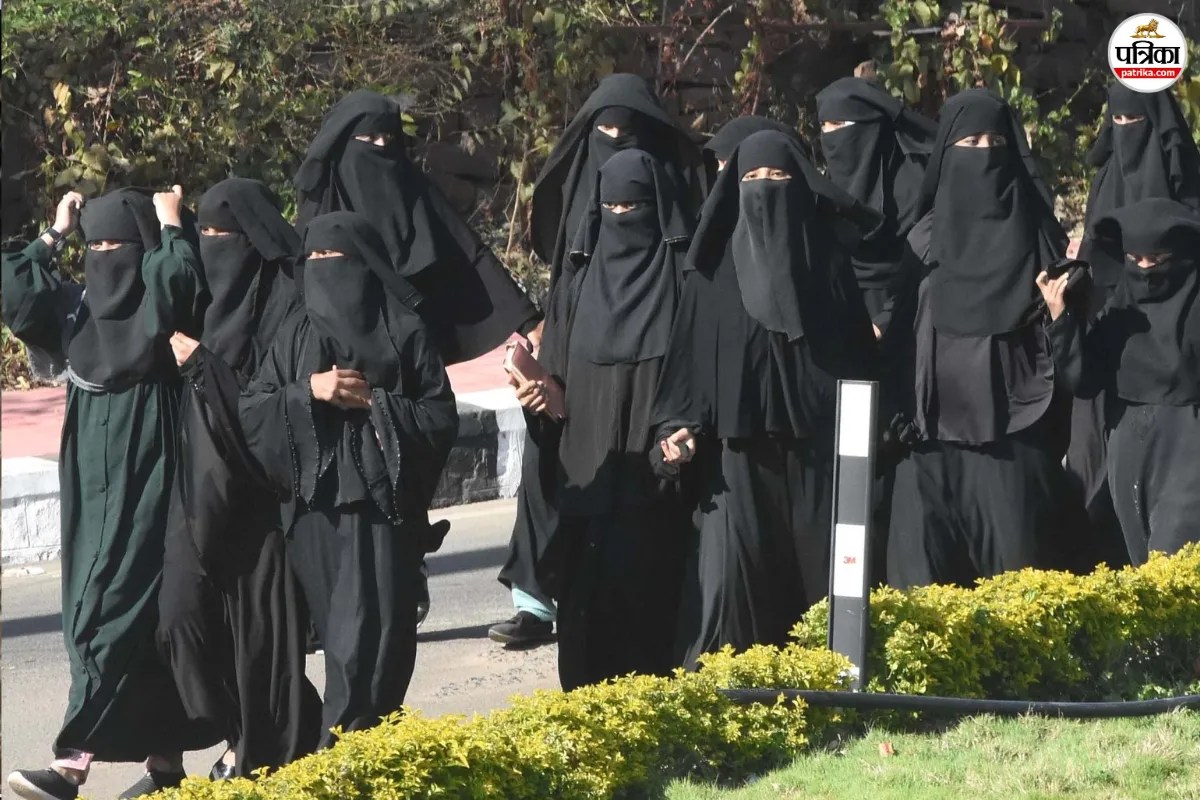
The Taliban has officially codified a decree ruling that a girl’s silence during marriage negotiations constitutes absolute, binding legal consent. This directive strip minor girls of any remaining protection under family law, explicitly granting fathers and grandfathers total authority to execute child marriages without oversight. By erasing the distinction between silence and submission, the regime has effectively formalized the trafficking of underage girls under the guise of Islamic jurisprudence. This is not a sudden shift in policy, but rather the final brick in a legal wall built to eliminate the bodily autonomy of half the Afghan population.
To understand how this decree operates on the ground, one must look past the theological rhetoric and examine the bureaucratic machinery of the Ministry for the Promotion of Virtue and the Prevention of Vice. Under previous legal frameworks in Afghanistan, even when flawed, a marriage contract required an explicit, verbal declaration of consent from the bride, usually witnessed by a designated representative or vakil. By legalizing the concept that silence equals a "yes," the regime removes the awkward legal hurdle of a crying, resisting, or visibly terrified child during the signing of the nikah, the marriage contract.
The Mechanics of Codified Coercion
In traditional Afghan society, a young girl confronted by her father, grandfather, and a local cleric has no social mechanism to shout a refusal. Silence is not consent. It is paralyzing fear.
By decreeing that a lack of vocal protest satisfies the requirements of Islamic law, the regime provides absolute legal immunity to the male heads of households who sell minor daughters to settle debts, secure tribal alliances, or pocket a bride price, known as mahr. The financial collapse of the Afghan economy since 2021 has turned daughters into liquid assets. This decree simply lowers the transaction costs.
The legal framework relies on a highly selective, weaponized interpretation of Hanafi jurisprudence. Historically, Islamic scholars have debated the nuances of a virgin's silence during marriage proposals, with many classical jurists arguing that silence only counts if accompanied by signs of contentment or if the girl was fully informed of her rights. The Taliban has stripped away these theological safeguards, presenting a blunt instrument of total patriarchal control.
The Systematic Destruction of the Judiciary
This decree does not exist in a vacuum. It represents the culmination of a systematic overhaul of the Afghan judicial system that began the moment the group retook Kabul.
- Purging the Bench: Thousands of qualified judges, prosecutors, and defense lawyers—especially the roughly 300 defense-lawyer women who specialized in family law—were stripped of their positions.
- The Rise of the Primary Courts: Legal disputes are now settled by local ulama councils and primary courts staffed exclusively by ideologues with no training in statutory law.
- Abolition of the Elimination of Violence Against Women Law: The landmark 2009 legislation that criminalized child marriage, forced marriage, and domestic abuse has been completely nullified.
When a father decides to marry off a twelve-year-old girl to a man triple her age, there is no longer a legal avenue for her mother, an aunt, or a sympathetic neighbor to file an injunction. The courts do not recognize their standing to sue. A girl who runs away from such a marriage is no longer viewed as a victim of a crime; she is prosecuted as a criminal fleeing a legal contract, guilty of zina (moral crimes) or intent to commit it.
The Economic Drivers of the Child Marriage Market
The Western narrative frequently treats these decrees as purely ideological or cultural aberrations. That view is dangerously naive. The spike in child marriages in Afghanistan is driven by a brutal, calculated economic reality that the Taliban’s policies have actively worsened.
Consider the baseline survival math of an average family in rural Ghor or Badakhshan province. The ban on female education past the sixth grade and the near-total prohibition on women working in the public sector have severed the earning potential of half the workforce. Families are starving. A daughter is an extra mouth to feed that can no longer contribute to the household income through a job. Concurrently, marrying her off yields a mahr payment that can feed the rest of the family for a year.
By declaring that the father has the absolute right to interpret his daughter’s silence as an agreement, the regime has stabilized the supply side of this horrific market. It ensures that transactions move quickly, without interference from local elders who might have previously intervened on moral grounds.
The Myth of Local Resistance
For years, international observers clung to the hope that local customary laws and tribal structures—such as the Pashtunwali code in southern provinces—would act as a buffer against the most extreme decrees from Kandahar. That buffer has eroded.
In the past, a tribal council (jirga) might have moderated an abusive family arrangement to preserve community harmony. Today, the Ministry of Virtue and Vice wields supreme executive authority. A local elder who attempts to block a forced marriage faces immediate detention, public flogging, or worse. The regime has successfully dismantled the traditional social structures that occasionally protected minors, replacing them with a centralized security apparatus that views any defense of women's rights as an act of Western-backed treason.
The Failure of International Leverage
The international community's response to this escalating crisis has been a masterclass in diplomatic futility. For five years, foreign ministries have attempted to use the carrot of diplomatic recognition and the stick of economic sanctions to alter the regime's behavior. This strategy fundamentally misjudges the nature of the ruling elite in Kandahar.
The supreme leadership does not care about international isolation, nor does it care about frozen central bank assets. In fact, the isolation serves their domestic narrative, allowing them to frame their draconian social engineering as a pure, uncorrupted defense against foreign cultural invasion. The systematic degradation of women is not a bargaining chip they are willing to trade for international aid; it is the core tenet of their governance model.
Every statement of "deep concern" issued by the United Nations is met with indifference in Kabul. The regime understands that the world has largely moved on, distracted by conflicts in Europe and the Middle East. They know that as long as they maintain a basic level of internal security and prevent the country from becoming a launchpad for transnational terror attacks against the West, foreign powers will not intervene to save Afghan girls from forced marriages.
The Intergenerational Consequences
The long-term impact of this decree extends far beyond the immediate trauma inflicted on individual victims. It ensures the permanent intellectual and economic crippling of the Afghan state.
When you force a twelve- or fourteen-year-old girl into marriage, you guarantee an immediate end to any informal learning she might have pursued at home. You subject her to early pregnancy, vastly increasing maternal mortality rates in a country that already possesses some of the worst healthcare metrics on earth. You ensure that the next generation of Afghan children will be raised by illiterate, traumatized child-mothers who have been completely severed from the modern world.
This is the true objective of the policy. By codifying silence as consent, the regime is not just regulating marriage; it is systematically engineering an underclass that lacks the tools, the vocabulary, and the legal status to ever challenge the regime's authority. The silence they have codified today is the silence they intend to impose on the future of Afghanistan forever.