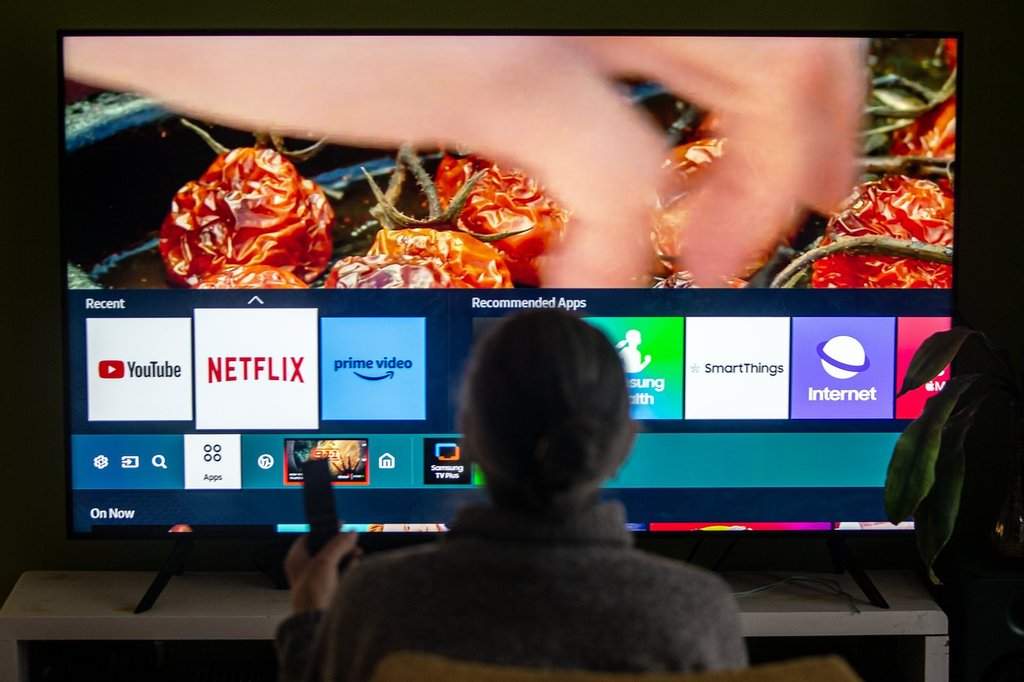
For years, the cultural establishment operated on a comfortable fiction: foreign tech giants could be forced to bankroll domestic broadcasting through bureaucratic fiat without any real consequences for consumers.
When court documents revealed that Ottawa intends to entirely eliminate the base contribution requirements for streaming services under the Online Streaming Act—replacing those levies with public funds—the usual suspects panicked. Cultural lobby groups hyperventilated about cultural sovereignty. Broadcasters claimed confusion. Traditionalists wailed that foreign platforms were getting away scot-free.
They are missing the plot entirely.
The collapse of the CRTC streamer tax is not a defeat for Canadian culture. It is a long-overdue surrender to economic reality. Forcing multinational platforms to pay arbitrary percentage fees of their Canadian revenues was never a visionary cultural policy. It was a lazy, back-door tax hike designed to protect legacy media companies that refused to modernize.
The Broken Logic of the Streamer Tax
Let us look at how this system actually functioned before the courts and the federal government stepped in. The regulatory apparatus imagined it could extract billions from companies like Netflix, Amazon, Apple, and Spotify without altering consumer behavior.
That is economic illiteracy. Corporations do not absorb internal regulatory penalties out of corporate altruism. They pass them down. When the commission initially slapped a five percent revenue-skimming rule on streamers—escalating toward an absurd fifteen percent target—the cost was destined to land squarely on the monthly bills of Canadian households.
Imagine a scenario where a grocery store is ordered to pay a special municipal surcharge for every imported apple it sells. Does the store owner swallow the loss? No. They raise the price of apples. Streamers operate under the exact same physics. The so-called Netflix tax was always a hidden consumer sales tax disguised as cultural protectionism.
By shifting away from compelled corporate levies and utilizing direct government funding—such as the committed public allocations backing the sector—Ottawa is choosing transparency over corporate shell games. Instead of letting regulators weaponize private bills to subsidize legacy television infrastructure, the state is funding its priorities openly. That is an improvement, not a crisis.
The Myth of Free Money
Critics like Bloc Québécois Leader Yves-François Blanchet argue that dropping these requirements lets foreign giants operate in Canada without contributing to local creative ecosystems. This argument relies on a fundamental misunderstanding of how digital content markets operate.
Streamers do not need to be strong-armed into investing in Canada through punitive tithes. They invest because Canada produces exceptional talent, compelling stories, and world-class production infrastructure. Major platforms spend hundreds of millions of dollars shooting and producing content north of the border because it makes financial sense.
Compulsory levies do not inspire creativity. They fund bloated bureaucratic distribution loops that prioritize administrative compliance over audience reach. When content is forced into existence by regulatory checklists rather than market demand, you get taxpayer- or levy-funded projects that nobody watches.
True cultural vitality comes from a connection with the audience, not a stamp of approval from a heritage committee.
Trade Realities and the Cost of Stubbornness
There is another elephant in the room that domestic protectionists refuse to acknowledge: international trade pressure. The United States government flagged Canada’s Online Streaming Act as a targeted trade irritant, viewing the differential treatment of foreign digital services as discriminatory protectionism.
In an era of volatile cross-border commerce, doubling down on aggressive, unilateral digital service levies is an invitation for retaliation. Canada cannot isolate its tech and media policy from global trade obligations. Pretending that the country can squeeze foreign multinational firms indefinitely without facing severe economic blowback is dangerous posturing.
The federal backpedal is an implicit acknowledgment of this vulnerability. It signals that Ottawa understands the limits of regulatory overreach in a digitized global economy.
What Actually Works
If we want a thriving domestic creative sector, stop trying to turn Silicon Valley balance sheets into a perpetual annuity for legacy broadcasters. The old broadcasting act framework was built for a 20th-century universe of three television networks and cable monopolies. Applying it to an on-demand, borderless digital ecosystem was like trying to patch a modern smartphone with vacuum tubes.
The path forward requires abandoning the delusion that digital platforms can be taxed into compliance. Culture should be supported by transparent public investment and a dynamic, risk-tolerant private market that builds products people actually want to consume.
The death of the streamer tax is not the end of Canadian storytelling. It is the end of an unworkable shakedown. Good riddance.