Basketball tournaments rarely hand out easy scripts. When Team USA walked off the court at halftime trailing France 45-43 in the 2026 FIBA Women's Basketball World Cup final, the arena in Berlin fell into a stunned hush. For twenty minutes, French stars Gabby Williams and Dominique Malonga tore through the American defense.
Then came the third quarter.
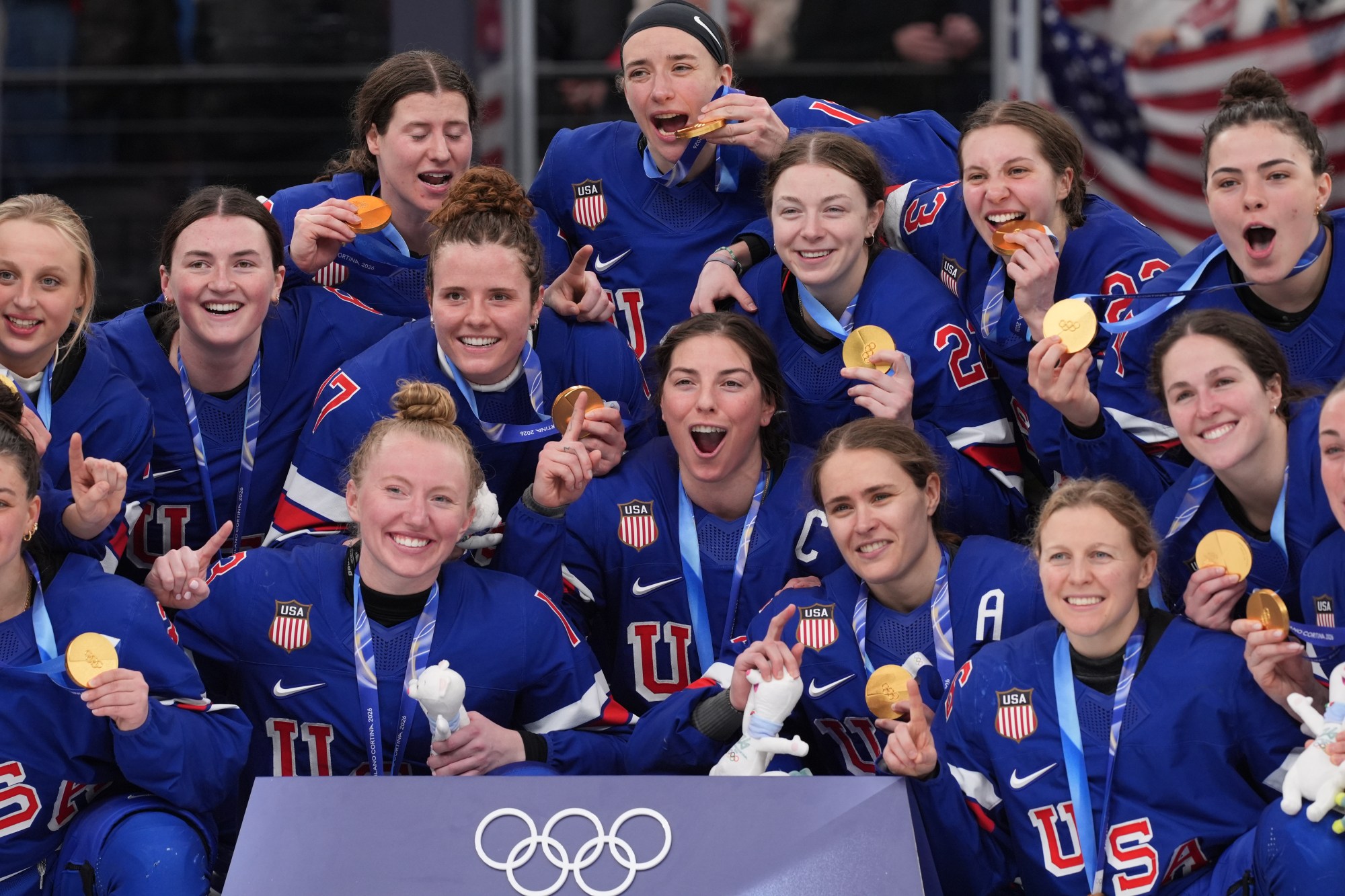
If you missed how the United States flipped the switch to secure a 97-79 victory and claim their fifth consecutive crown, you missed a masterclass in elite adjustments. This wasn't just another routine gold medal. It was a stark reminder of why American basketball culture remains the global gold standard, even as the rest of the world closes the talent gap faster than ever.
Breaking Down the French Threat
France didn't stumble into the gold medal match by accident. Coming into the final, their offense averaged a blistering 93.3 points per contest. Williams was unstoppable early, carving up switches and putting up 16 points in the first half alone. When France put together an 11-0 run in the opening frames to jump ahead 31-17, head coach Kara Lawson had to burn an early timeout to stop the bleeding.
The crowd of 12,233 fans inside the Berlin Arena witnessed a squad that genuinely believed it could dethrone the giant. Malonga commanded the paint with poise, proving why international young talent is surging into the WNBA. The U.S. looked uncharacteristically vulnerable on rotations. Rebounds slipped through clumsy hands. Turnovers mounted.
Panic never set in on the bench, though. Experience matters on these stages. Lawson trusted her veterans to reset the defensive intensity, knowing full well that forty minutes of international basketball is a marathon, not a sprint.
The Turning Point in Berlin
The second half opened with a immediate statement. Breanna Stewart attacked the rim on the very first possession, tying the game and signaling a complete shift in attitude.
What followed was a defensive clinic. The U.S. suffocated Williams, holding her to just four points across the entire second half. Passing lanes that were wide open in the first two quarters suddenly turned into dead ends. Rotation speed doubled. Physicality spiked.
Offensively, the Americans exploded for a 30-point third quarter. Seven different players scored during that frame, turning a tight two-point deficit into a comfortable 73-57 cushion heading into the final ten minutes. Jackie Young picked apart the French zone with ruthless efficiency, finishing with 18 points, 6 rebounds, and 5 assists. Stewart added a game-high 22 points and 10 rebounds, earning well-deserved tournament MVP honors.
When players like Kahleah Copper (15 points) and Caitlin Clark (12 points) found their rhythm off the bench, the outcome stopped being a question of who would win and started becoming a matter of how big the final margin would grow.
What This Means for Global Women's Basketball
Securing a 12th FIBA World Cup title stretches the U.S. record to twice as many gold medals as any other nation in history. Yet, looking solely at the trophy cabinet ignores the broader story of how international competition is evolving.
Countries like France are no longer content with moral victories. They feature rosters packed with elite professional talent competing at the highest levels globally. The gap is shrinking. That makes the sustained dominance of the U.S. program even more impressive. Winning once is hard. Defending the throne five times in a row requires an unbroken pipeline of generational talent combined with an unforgiving internal competitive drive.
As the dust settles on Berlin and another gold medal heads back across the Atlantic, the blueprint is clear. The rest of the world is coming. Team USA just showed they're still several steps ahead.