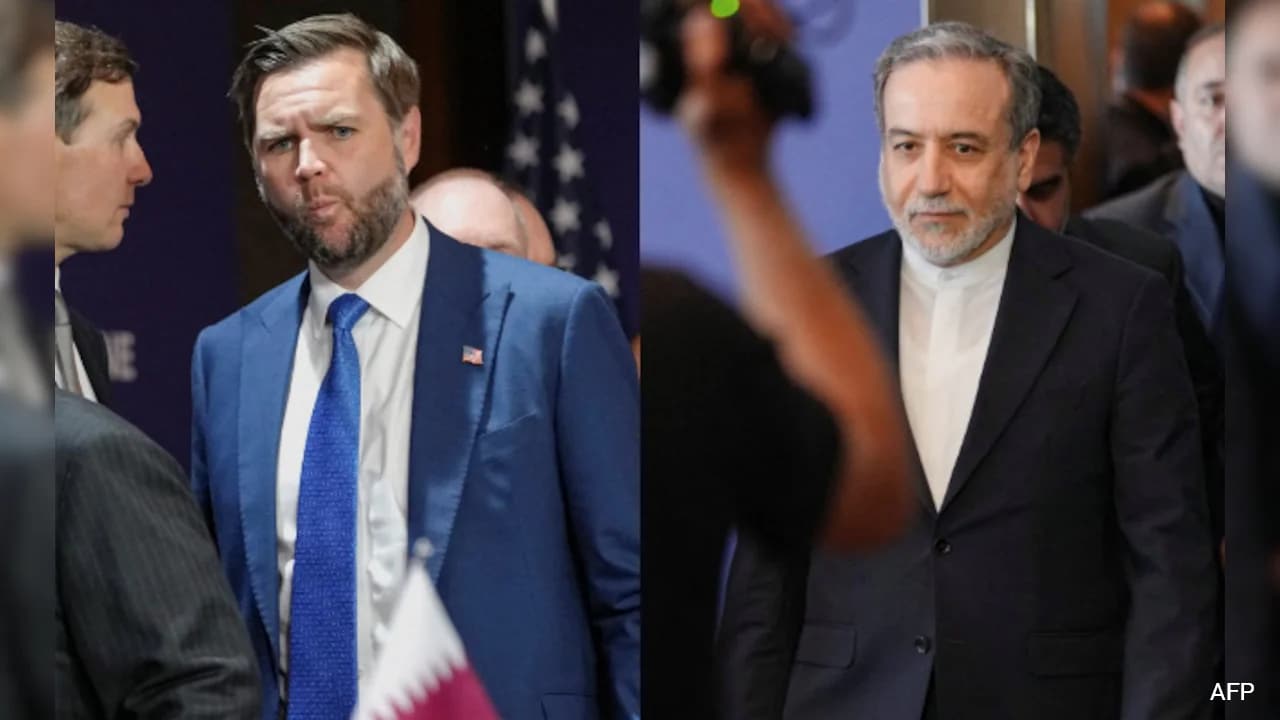
Mainstream diplomatic reporting has a predictable, exhausting script. A high-level summit happens. One side dramatically walks out over a "red line." The media treats it as a near-collapse of global security. Hours later, negotiators return to the table, ink a "historic framework," and the press heralds a triumph of back-channel statecraft.
We saw this exact play staged during the recent high-level talks between Washington and Tehran. The establishment press swallowed the bait whole, running breathless headlines about a "brief walkout" followed by "key agreements."
It is pure fiction.
The walkout was not a spontaneous burst of ideological friction. The "key agreements" are not a baseline for long-term stability. In reality, both sides walked into the room knowing exactly when they would leave it, exactly when they would return, and exactly what minor concessions they would trade to project a victory back home.
If you believe these talks signaled a fundamental shift in the geopolitical architecture of the Middle East, you are misreading the chess board. The theater of the walkout exists to mask a deeper, more cynical reality: neither Washington nor Tehran actually wants a permanent resolution. Status quo hostility is far too profitable for both domestic agendas.
The Myth of the Volatile Negotiating Room
Let's dismantle the central premise of the conventional narrative: the idea that modern high-stakes diplomacy hinges on the emotional temperaments of the people in the room.
State departments do not operate like corporate boardrooms where an angry CEO can tank a merger on a whim. Every movement, every simulated burst of outrage, and every strategic exit is mapped out weeks in advance by mid-level bureaucrats and intelligence briefers.
When a delegation walks out of a room, they are performing for two distinct audiences:
- The Domestic Hardliners: For the Iranian team, a public display of refusing to sit with American diplomats validates their anti-imperialist credentials to the Islamic Revolutionary Guard Corps (IRGC). For the Americans, it signals to a hawkish Congress that the administration is not playing soft.
- The Media Leverage Loop: A walkout resets the media narrative, lowering the public expectation of what the summit can achieve. When the diplomats return three hours later to sign a bare-minimum memorandum, it looks like a masterclass in crisis management instead of the bureaucratic paperwork it actually is.
During my years analyzing sanctions mechanics and back-channel statecraft, I have watched billions of dollars in frozen assets move across borders under the guise of "sudden breakthroughs." The mechanics are always cold, calculated, and entirely detached from the ideological rhetoric spouted at the podiums. The walkout is simply the friction necessary to make the eventual compromise palatable to voters who have been conditioned to hate the counterparty.
Deconstructing the Key Agreements
The competitor press is currently celebrating these "key agreements" as a foundation for a renewed Joint Comprehensive Plan of Action (JCPOA) style framework. They are looking at the wrong metrics.
Look closely at what was actually agreed upon. The parameters do not touch the core structural issues. Instead, they focus on temporary verifications, minor sanctions relief on non-strategic goods, and vague commitments to maritime security in the Strait of Hormuz.
To understand why these agreements are built on sand, we must analyze the structural incentives of both nations through basic game theory.
                       US Incentives
             +------------------------------+
             | Manage regional escalation   |
             | Keep oil flowing predictably |
             +------------------------------+
                            |
                            v
                    [ The Compromise ]
                    (Temporary Truce)
                            ^
                            |
             +------------------------------+
             | Sanctions relief for cash    |
             | Keep nuclear leverage active |
             +------------------------------+
                       Iran Incentives
This is not a peace process; it is a transactional maintenance schedule.
Iran requires periodic, controlled de-escalation to access specific tranches of frozen oil revenues held in foreign banks. Washington requires periodic, controlled de-escalation to ensure global energy markets remain stable during sensitive domestic election cycles. Once the immediate domestic needs of both administrations are met, the structural incentives to maintain the agreement evaporate.
The Flawed Premise of People Also Ask
If you look at the common questions surrounding US-Iran relations, you realize the public is being trained to ask the wrong things entirely.
Can the US and Iran ever fully normalize relations?
The question assumes normalization is the ultimate goal of either government. It isn't. For Tehran, the foundational mythos of the state relies heavily on its opposition to American hegemony. Remove the "Great Satan" from the rhetorical equation, and the regime loses its primary justification for internal security clampdowns and economic mismanagement. For Washington, a perpetual, managed Iranian threat justifies an expansive military footprint in the Gulf and cements defense alliances with regional partners. Hostility is the system. Peace is the disruption.
Do sanctions actually work to change Iranian behavior?
Decades of data show that broad economic sanctions fail to alter the strategic calculus of ideological regimes. Instead, they create a lucrative gray-market economy. The target state learns to weaponize the illicit supply chains, enriching a small class of regime-connected smugglers while decimating the civilian middle class. Sanctions do not force a regime to the table out of desperation; they merely establish the currency—sanctions relief—that the West must use to buy temporary compliance.
The True Cost of Tactical Illusions
There is a distinct downside to this cycle of simulated crises and artificial breakthroughs. By treating diplomacy as a series of short-term theatrical performances, both nations are burning their long-term credibility.
When you continuously sign agreements that you intend to hollow out or abandon when the domestic political winds shift, you make actual, binding diplomacy impossible. Future leaders are left with fewer tools, higher levels of distrust, and a regional landscape where proxy forces step into the vacuum left by failed treaties.
The next time you see a headline screaming about a dramatic breakdown at a diplomatic summit, ignore the commentary. Watch the oil prices. Watch the central bank asset transfers. Look at the specific sub-clauses of the agreements that deal with logistics rather than ideology.
Stop buying into the narrative of the emotional diplomat. The walkout was scripted. The breakthrough was pre-approved. The theater continues because as long as you are watching the actors argue on stage, you aren't looking at the real transactions taking place in the wings.