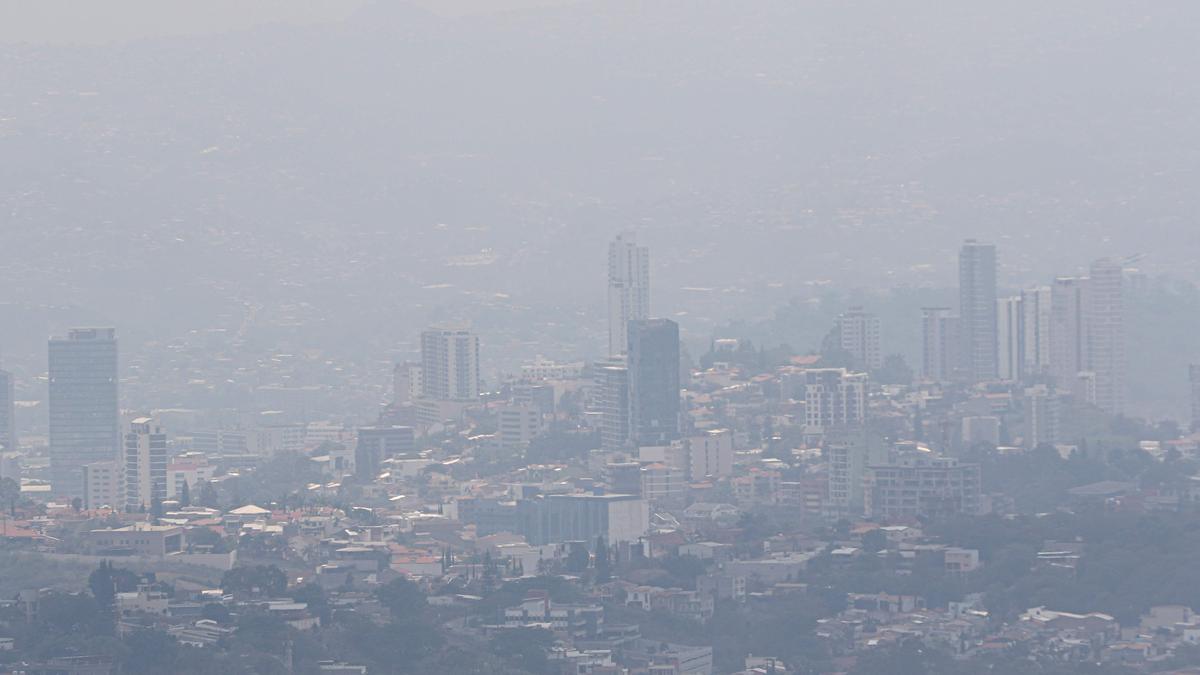
The global increase in fire frequency and intensity is not a random distribution of natural disasters but a predictable outcome of specific thermodynamic and atmospheric shifts. When examining "record high" fire outbreaks, the discourse often centers on surface-level observations—flames and heat—while ignoring the structural mechanics of the Fire Weather Index (FWI). The current escalation represents a fundamental breach in the feedback loops that previously regulated terrestrial carbon storage and atmospheric moisture.
To analyze this shift, we must decompose the wildfire phenomenon into three distinct operational drivers: Also making news in related news: Geopolitical Friction in the Persian Gulf Deconstructing the Kuwaiti Iranian Maritime Incursion.
- Vapor Pressure Deficit (VPD) Optimization: The atmospheric "thirst" that dictates fuel flammability.
- Ignition Synchronicity: The compression of fire seasons into overlapping temporal windows.
- The Feedback Loop of Pyrocumulonimbus Generation: The mechanism by which fires create their own localized weather systems.
The Thermodynamics of Fuel Aridification
The primary driver of "unprecedented" fire activity is the non-linear relationship between temperature and the Vapor Pressure Deficit. VPD is the difference between the amount of moisture the air can hold and the amount it actually contains. As global temperatures rise, the air's capacity to hold water increases exponentially, not linearly.
This creates a suction effect on forest floor biomass. Even in regions with average rainfall, high VPD can strip moisture from "fine fuels" (grasses, needles, and twigs) in a matter of hours. When fuel moisture drops below the critical threshold of 10% to 15%, the probability of a successful ignition from a lightning strike or human error nears 100%. The competitor's focus on "heat extremes" misses this nuance: heat alone does not cause fires; the atmospheric demand for moisture does. More details into this topic are covered by USA Today.
The Fuel Loading Paradox
Modern fire management has historically relied on suppression. While effective in the short term, this strategy has created an artificial accumulation of "fuel loads." In a natural cycle, low-intensity fires clear the forest floor. In the current regime, the combination of record-high fuel density and high VPD converts what should be a surface fire into a crown fire. Once the fire reaches the canopy, the energy release increases by orders of magnitude, making ground-based containment technically impossible.
Structural Breakdown of Ignition Synchronicity
In the 20th century, wildfire risk was geographically and temporally distributed. Northern Hemisphere seasons rarely peaked in total alignment with Southern Hemisphere cycles. We are now observing Ignition Synchronicity, where the traditional "fire season" has expanded by an average of 27% globally.
The Collapse of the Firefighting Resource Buffer
This synchronicity creates a global logistics bottleneck. Firefighting is a resource-intensive industry that relies on the movement of "Interagency Hotshot Crews" and specialized aerial assets (VLATs - Very Large Air Tankers). When California, Canada, and the Mediterranean ignite simultaneously, the global supply chain for suppression assets breaks.
The "record high" outbreaks reported by scientists are less a reflection of more ignitions and more a reflection of uncontained spread. When assets are spread thin, fires that would have been caught at 10 acres grow to 100,000 acres. This is an operational failure of the "Initial Attack" philosophy due to global demand saturation.
Pyrocumulonimbus and the Atmospheric Coupling
The most dangerous evolution in current fire outbreaks is the transition from "wind-driven" fires to "plume-dominated" fires. In high-intensity events, the fire generates enough heat to create a localized low-pressure zone. This draws in air from all directions, creating a self-sustaining convective column.
The Mechanics of Fire-Induced Weather
- Convective Lifting: Intense heat forces smoke and moisture high into the troposphere.
- Condensation and Freezing: As the plume reaches higher altitudes, water vapor condenses, releasing latent heat and further fueling the upward draft.
- The Ember Storm: These clouds generate "fire-induced lightning" and downbursts. The downbursts can throw embers several miles ahead of the main fire front, bypassing natural firebreaks like rivers or highways.
This coupling means the fire is no longer a passenger of the weather; it is the driver. Standard predictive models fail at this stage because the fire’s internal physics override the ambient wind patterns.
Quantifying the Economic Friction of Smoke
Public discourse focuses on the "burn scar"—the physical area destroyed. A more rigorous analysis must account for the Aerosol Externalities. Wildfire smoke contains high concentrations of PM2.5 (particulate matter less than 2.5 micrometers).
The economic cost function of a record fire year is dominated by labor productivity losses and healthcare surges far removed from the fire line. During the 2023-2024 cycles, air quality indices (AQI) in cities thousands of miles from the fires hit levels that triggered "stop-work" orders in construction and logistics sectors. This represents a hidden tax on global GDP that is rarely quantified in the "total hectares burned" metric.
The Transition from Suppression to Mitigation Resilience
The current strategy of "aggressive suppression" is reaching a point of diminishing returns. The energy output of modern mega-fires exceeds the BTU-suppression capacity of any existing technology. A strategic shift toward Landscape Heterogeneity is the only viable path forward.
The Buffer Strategy
To break the continuity of fuel, land management must move toward "Strategic Fuel Breaks" and "Managed Ignitions." This involves:
- Mechanical Thinning: Reducing the basal area of forests to prevent crown-to-crown fire transfer.
- Indigenous Fire Practices: Reintroducing low-intensity, high-frequency burns to maintain the "fine fuel" floor at manageable levels.
- Hardened Infrastructure: Shifting the focus from "saving the forest" to "hardening the interface." This requires strict zoning that prohibits flammable roofing materials and requires 100-foot "defensible space" buffers around all structures in high-risk WUI (Wildland-Urban Interface) zones.
Technical Limitations and Data Gaps
We must acknowledge that our predictive capacity is currently hampered by "Ground Truth" latency. Satellite-based thermal sensors (like MODIS and VIIRS) provide data on fire perimeters, but the resolution and refresh rate are often insufficient for real-time tactical decisions in rapidly escalating plume-dominated events. Integration of low-earth orbit (LEO) satellite constellations with AI-driven smoke plume analysis is required to close the 15-minute gap between ignition and detection.
Strategic Recommendation for Asset Allocation
Institutional investors and government entities must re-evaluate the "Fire Risk" variable in their long-term infrastructure portfolios. The traditional 1-in-100-year fire event is now a 1-in-15-year event.
The primary strategic move is the De-risking of the Wildland-Urban Interface.
- Divestment from High-Fuel-Load Peripheries: Stop the expansion of residential development into high-VPD corridors.
- Investment in Grid Hardening: Since power lines remain a top-tier ignition source during high-wind events, the undergrounding of distribution lines in "Tier 3" fire zones is no longer an option but a structural necessity for utility survival.
- The Shift to Synthetic Forecasting: Replace historical "Mean Fire Returns" with forward-looking "Vapor Pressure Sensitivity" models.
The era of predictable fire behavior is over; the era of managing atmospheric-coupled energy releases has begun. Organizations that fail to internalize the VPD-driven nature of these "record highs" will continue to be surprised by the speed at which their assets are incinerated. The goal is no longer to prevent fire, but to design systems that can survive its inevitable presence.