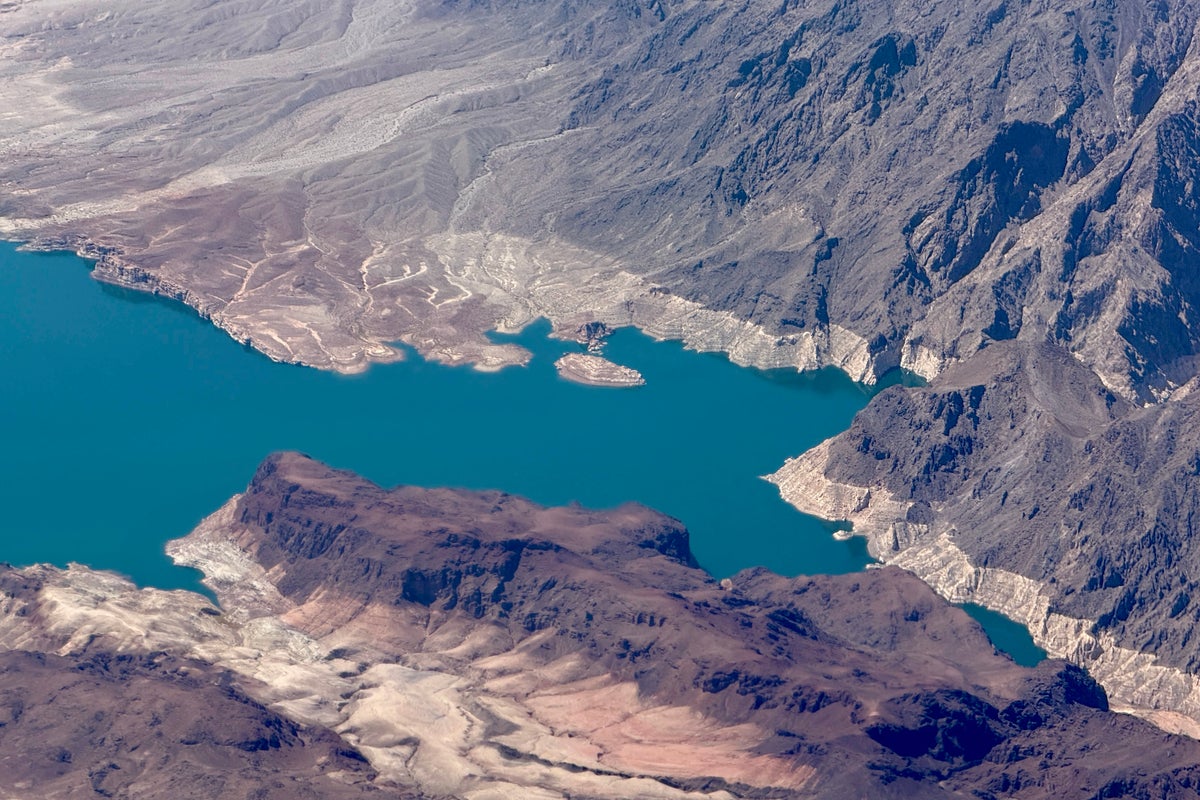
The detection of Naegleria fowleri in high-traffic aquatic environments like Lake Mead and Yellowstone National Park represents a predictable shift in microbial ecology driven by thermal expansion. This amoeba, commonly labeled "brain-eating," operates through a specific physiological mechanism: it is a thermophilic, free-living excavate that thrives in water temperatures exceeding 30°C (86°F) and can survive brief exposures up to 45°C (113°F). The risk to the public is not a function of simple presence, but a confluence of environmental temperature, water turbulence, and human behavior.
Effective risk management requires moving beyond the sensationalism of "rare" occurrences to understand the biological and hydrological variables that facilitate infection.
The Pathophysiological Mechanism of Primary Amebic Meningoencephalitis
The danger posed by Naegleria fowleri is exclusively tied to its entry point. Unlike most waterborne pathogens, ingestion does not cause illness. The infection, known as Primary Amebic Meningoencephalitis (PAM), occurs when contaminated water is forced into the nasal cavity with sufficient pressure to reach the olfactory neuroepithelium.
- Olfactory Nerve Penetration: The amoeba attaches to the olfactory nerves and migrates through the cribriform plate—a porous bone structure—into the brain’s olfactory bulbs.
- Cerebral Colonization: Once in the central nervous system, the organism consumes tissue, utilizing a combination of "food cups" (amoebostomes) and the release of cytolytic enzymes that degrade nerve cells.
- Immune Overdrive: The high fatality rate, exceeding 97%, is driven by the body’s inflammatory response. The resulting cerebral edema (brain swelling) creates intracranial pressure that eventually leads to brain stem herniation.
The window for intervention is narrow. Symptoms typically manifest within one to nine days of exposure, beginning with frontal headaches and progressing rapidly to seizures and altered mental status.
Environmental Variables and The Thermal Threshold
The presence of Naegleria fowleri in Western national parks signals a breakdown of traditional geographic boundaries. Historically confined to the Southern United States, the pathogen’s northern migration is a direct result of rising mean water temperatures and prolonged heatwaves.
The Proliferation Matrix
The density of the amoeba in a given water body is dictated by three primary factors:
- Thermal Accumulation: The duration for which water remains above 25°C. In geothermal areas like Yellowstone, this state is permanent in certain runoff streams. In reservoirs like Lake Mead, this is a seasonal peak exacerbated by declining water levels, which allow shallow areas to heat more rapidly.
- Stagnation and Flow: High-velocity water usually prevents the accumulation of the sediment-dwelling trophozoites. However, the receding shorelines of the Colorado River system create "dead zones" or stagnant pools where thermal energy is trapped.
- Nutrient Availability: The amoeba feeds on bacteria. Runoff containing organic matter or high bather loads can increase the bacterial population, providing the caloric base for Naegleria blooms.
Analyzing the Geography of Risk: Yellowstone and Lake Mead
The risk profiles for these two locations differ significantly due to their hydrological origins.
Geothermal Systems (Yellowstone)
In Yellowstone, the risk is concentrated in "soaking" areas and runoff streams where geothermal activity heats the water. These environments are essentially natural incubators. The danger is highest in areas where the mixing of cold surface water and hot thermal springs creates a "Goldilocks zone" of 30°C to 40°C.
Reservoir Systems (Lake Mead)
Lake Mead presents a more complex risk profile based on volume and depth. As water levels drop, the surface-area-to-volume ratio increases, leading to higher average temperatures. The risk is highest in shallow, silt-heavy coves where recreational activities like jet skiing or wakeboarding create high-velocity spray and water turbulence, increasing the likelihood of forceful nasal entry.
The Quantification of Exposure Risk
While the media focuses on the "rarity" of the infection (typically 0 to 5 cases annually in the U.S.), this statistic is a poor indicator of personal risk for specific demographics. The true risk is an equation of:
$$Risk = (Presence \times Temperature) + (Activity Type \times Nasal Exposure)$$
Lowering any of these variables reduces the probability of infection. For instance, a swimmer in deep, cool water (low temperature) faces a vastly different risk than a child playing in warm, shallow, stagnant silt (high temperature + high nasal exposure).
Misconceptions in Public Awareness
The "rare" label often leads to a "lightning strike" mentality, where individuals assume they have no control over the outcome. This is false. Data from previous cases shows a heavy skew toward young males, likely due to high-impact water activities such as diving or jumping, which force water into the nose.
Strategic Mitigation for Recreational Safety
National Park Service (NPS) warnings often lack the granular detail required for informed decision-making. Users must adopt a tiered defense strategy.
- The Biological Baseline: Assume any warm, fresh water in the Western U.S. contains Naegleria fowleri during the months of July, August, and September. Detection at Lake Mead confirms that the pathogen is endemic to the system; it is not a "visitor" that arrives and leaves.
- Physical Barriers: The only foolproof prevention method, short of total avoidance, is the use of nose clips or keeping the head above water. This eliminates the primary pathway of infection.
- Thermal Scanning: Use a simple infrared thermometer to check water temperatures in shallow geothermal runoff. If the water exceeds 25°C, the risk of amoebic presence increases exponentially.
- Post-Exposure Irrigation: If warm water is forced into the nose, the use of a Neti pot or similar irrigation tool is only safe if using distilled or boiled water. Using tap water or more untreated lake water to "flush" the nose can introduce the pathogen or other contaminants.
The Long-Term Hydrological Outlook
The expansion of Naegleria fowleri into the Pacific Northwest and the Intermountain West is not an anomaly but a permanent shift in the microbial landscape. As drought conditions continue to lower water levels in the Colorado River Basin, the "shallowing" effect will result in more frequent and more intense thermal peaks.
Public health infrastructure in these regions must pivot from a "monitor and alert" model to a "prevention by design" model. This includes permanent signage at high-risk geothermal sites and educational campaigns focusing on the mechanics of nasal entry rather than the fear of "brain-eating" organisms.
The bottleneck for safety remains the cribriform plate. If the water does not reach the upper nasal passage, the amoeba remains harmless. Managing the intersection of human recreation and thermophilic biology requires recognizing that as our water systems heat up, the margin for error in how we interact with them disappears.
Avoid jumping into warm, shallow, fresh water. If the water temperature feels like a lukewarm bath, keep your head dry.