The air in the Oval Office doesn't just sit; it presses. It carries the weight of maps, of satellite thermal signatures, and of decisions that can reorder the geography of the Middle East in a heartbeat. When Donald Trump speaks about a four-week timeline to dismantle a regime that has defied the West for nearly half a century, he isn't just talking about military logistics. He is talking about a clock.
Ticks. Tocks.
Twenty-eight days. That is the window currently being traced by the tip of a finger across a briefing map. The administration’s "blitz" isn't a theoretical exercise anymore. It is a sequence.
To understand the gravity of this, you have to look past the headlines of "leadership being taken out." Think instead of a city like Isfahan. Imagine a young father there, perhaps a shopkeeper named Arash—a hypothetical but necessary lens through which to view these maneuvers. Arash doesn't care about the intricacies of the IRGC’s command structure. He cares about the sudden, deafening silence of the internet, the way the birds scatter when the first sonic boom of a stealth jet tears the sky, and whether the bread lines will hold.
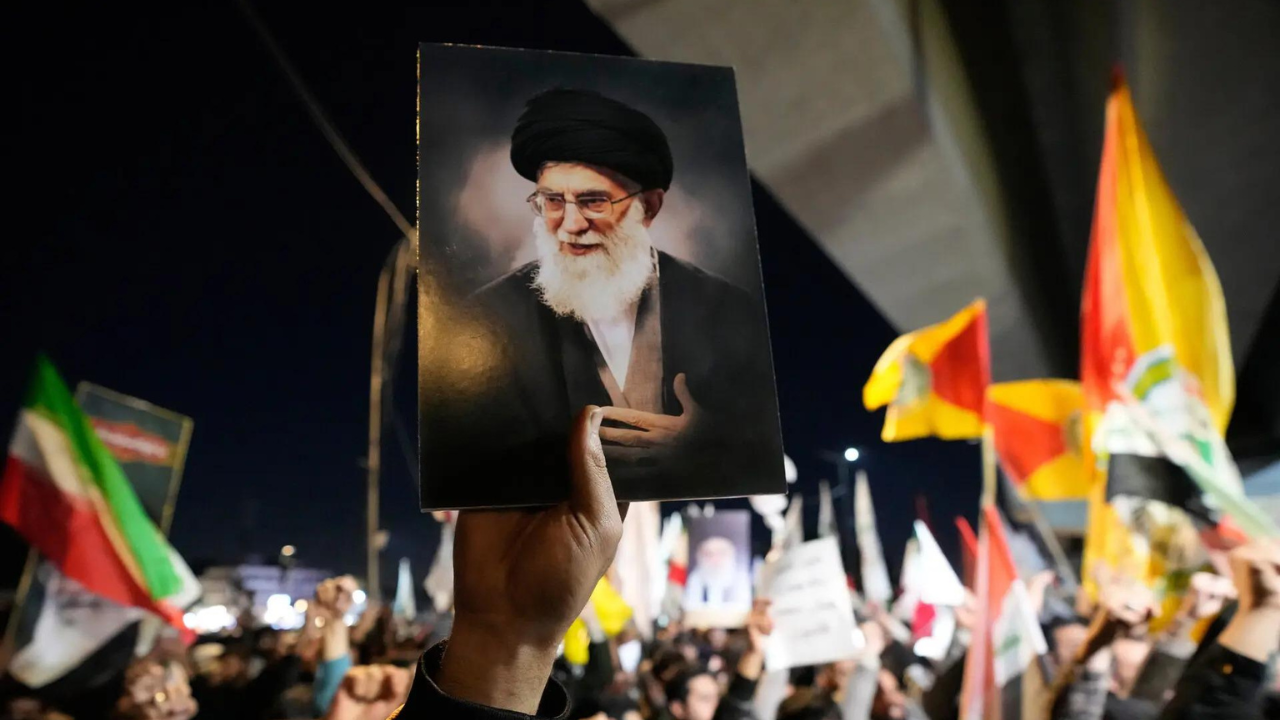
The strategy described by the President suggests a surgical decapitation. The "entire leadership" is the target. In the cold language of kinetic warfare, this is called "Effects-Based Operations." You don't need to destroy every tank if you destroy the brain that tells the tank where to drive.
The Architecture of the Blitz
The first week is always the loudest. It’s the week of the "Integrated Air Defense System" collapse. US planners aren't looking to trade blows; they are looking to blind. Imagine trying to fight a ghost while wearing a blindfold. That is the intended reality for the Iranian military.
By taking out the leadership in a rapid-fire succession of strikes—what the President claims is going "as planned"—the goal is to create a power vacuum so absolute that the middle management of the regime simply dissolves. History shows us that when the top vanishes, the bottom often stops reaching for its rifle.
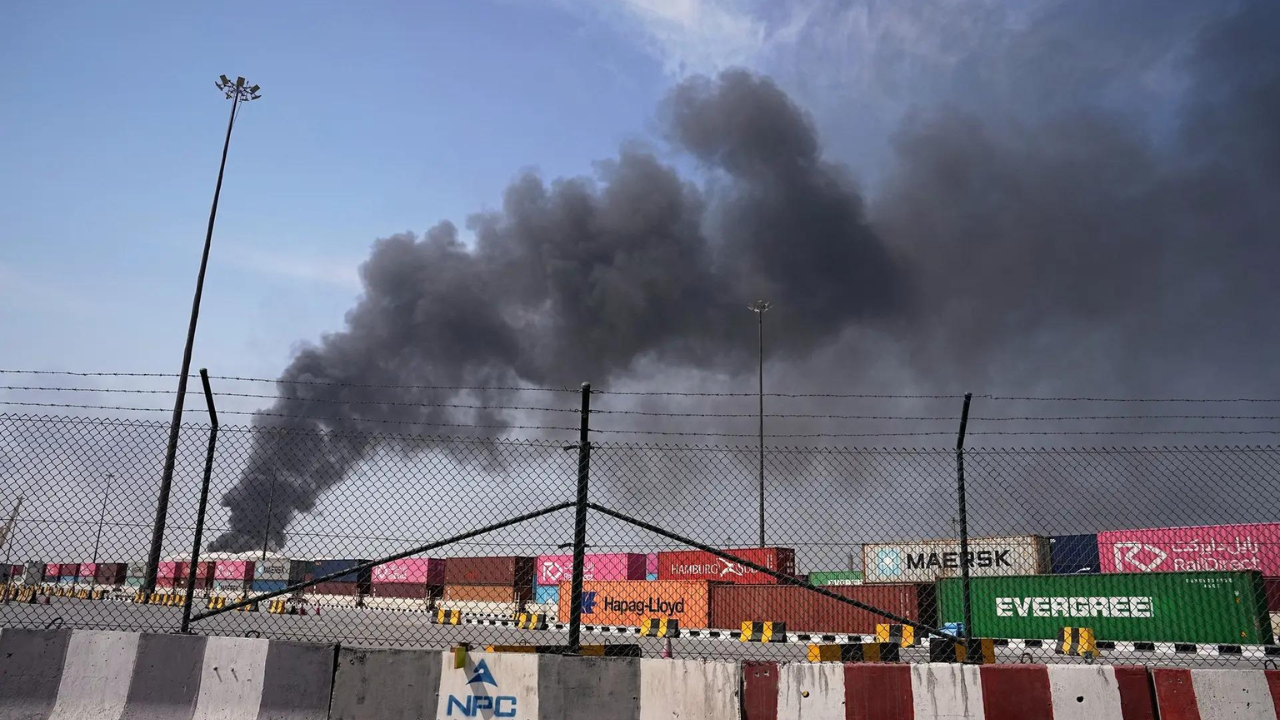
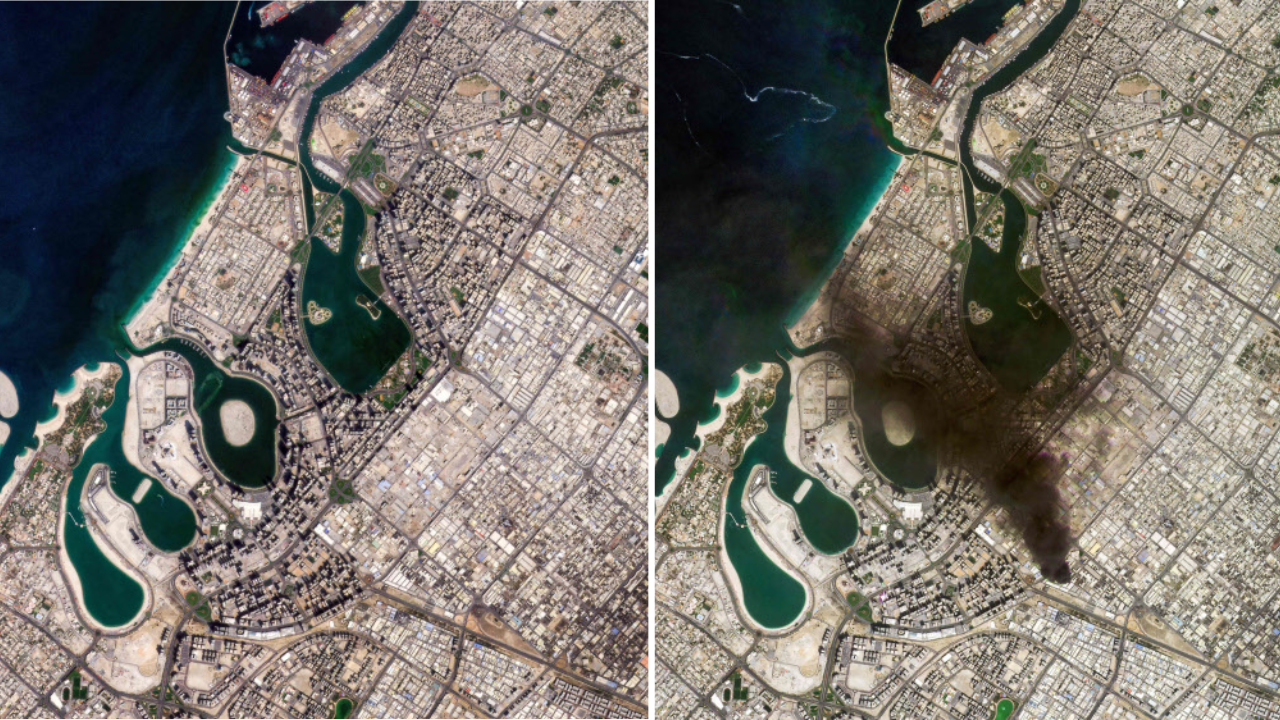
But the stakes are invisible. They live in the "red lines" of global oil markets and the whispered fears of neighbors in Tel Aviv and Riyadh. The administration is betting on a psychological collapse. They are betting that forty-five years of revolutionary fervor is actually a brittle shell, waiting for one sharp, calculated hammer blow to turn it into dust.
Consider the logistics of a four-week plan.
- Days 1-7: Total air superiority. The suppression of enemy air defenses. The "lights out" phase.
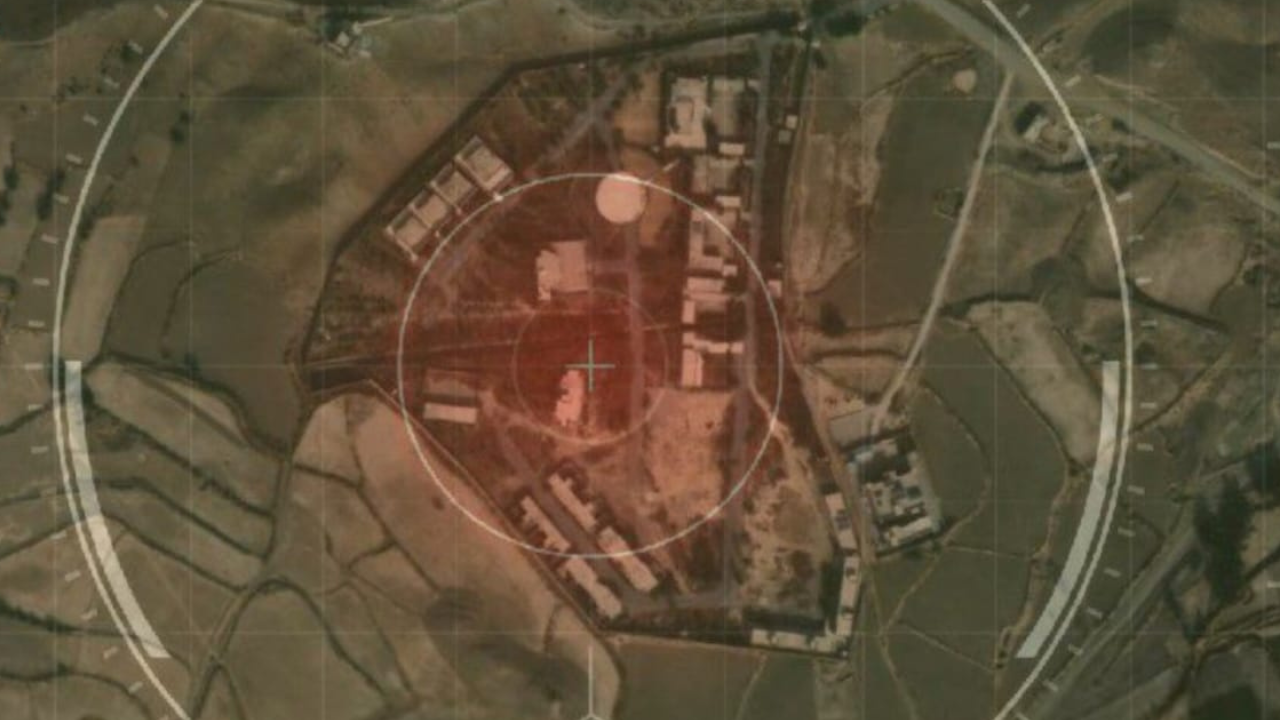
- Days 8-14: Targeting the "Command and Control." This is the decapitation. Finding the bunkers. Finding the men who make the calls.
- Days 15-21: The internal fracture. Waiting for the local populace or disenfranchised military factions to realize the old guard is gone.
- Days 22-28: Consolidation. This is where "obliterating the regime" meets the messy reality of what comes next.
It sounds clean on a whiteboard in D.C. It is never clean on the ground.
The Human Cost of Precision
There is a haunting irony in the phrase "taking out the leadership." It implies a scalpels-only approach. Yet, when a command center in a densely populated district is targeted, the shockwave doesn't ask for identification.
The invisible stakes are the millions of civilians caught in the middle of a geopolitical ego match. If the blitz succeeds, a long-oppressed population might breathe. If it stutters, they are the ones who will bear the brunt of a cornered regime’s final, desperate lashing out.
The President’s confidence is a weapon in itself. By signaling that everything is going "as planned," he is engaging in reflexive control—telling your enemy that their defeat is already a matter of record, a finished chapter in a book they haven't finished reading.
But what if the brain isn't where we think it is? The Iranian regime has spent decades building a "Deep State" that is more like a root system than a tree. You can cut the trunk, but the roots remain, sprawling across Iraq, Lebanon, and Yemen. A four-week plan to "obliterate" a regime must account for the fact that a regime is often an idea, and ideas don't have GPS coordinates.
The Weight of the Calendar
The pressure of a timeline is the most dangerous element of any conflict. When you tell the world it will take four weeks, the world starts counting on day twenty-nine.
Military history is littered with "short wars." They said the boys would be home by Christmas in 1914. They said the mission was accomplished in 2003. The human element—the sheer, unpredictable stubbornness of people defending their soil—frequently breaks the most sophisticated algorithms.
Yet, there is a palpable sense of shift this time. The technology is different. The intelligence is more granular. The resolve in the White House isn't hidden behind diplomatic veils. It is blunt. It is loud.
Arash, our hypothetical shopkeeper in Isfahan, looks at the sky. He sees the contrails of a changing world. He knows that whether the regime stays or goes, his life is the currency being spent.
The blitz is a gamble on the fragility of power. It assumes that if you remove the head, the body will not just die, but fail to fight back. It is a high-speed play in a region that usually moves in centuries, not weeks.
As the sun sets over the Potomac, the maps are folded, but the orders stay live. The clock is ticking toward a deadline that will either be remembered as a masterstroke of modern warfare or the beginning of a long, dark shadow that no blitz can outrun.
The missiles are fueled by physics, but the war is fueled by the belief that one side's will is simply stronger than the other's existence.