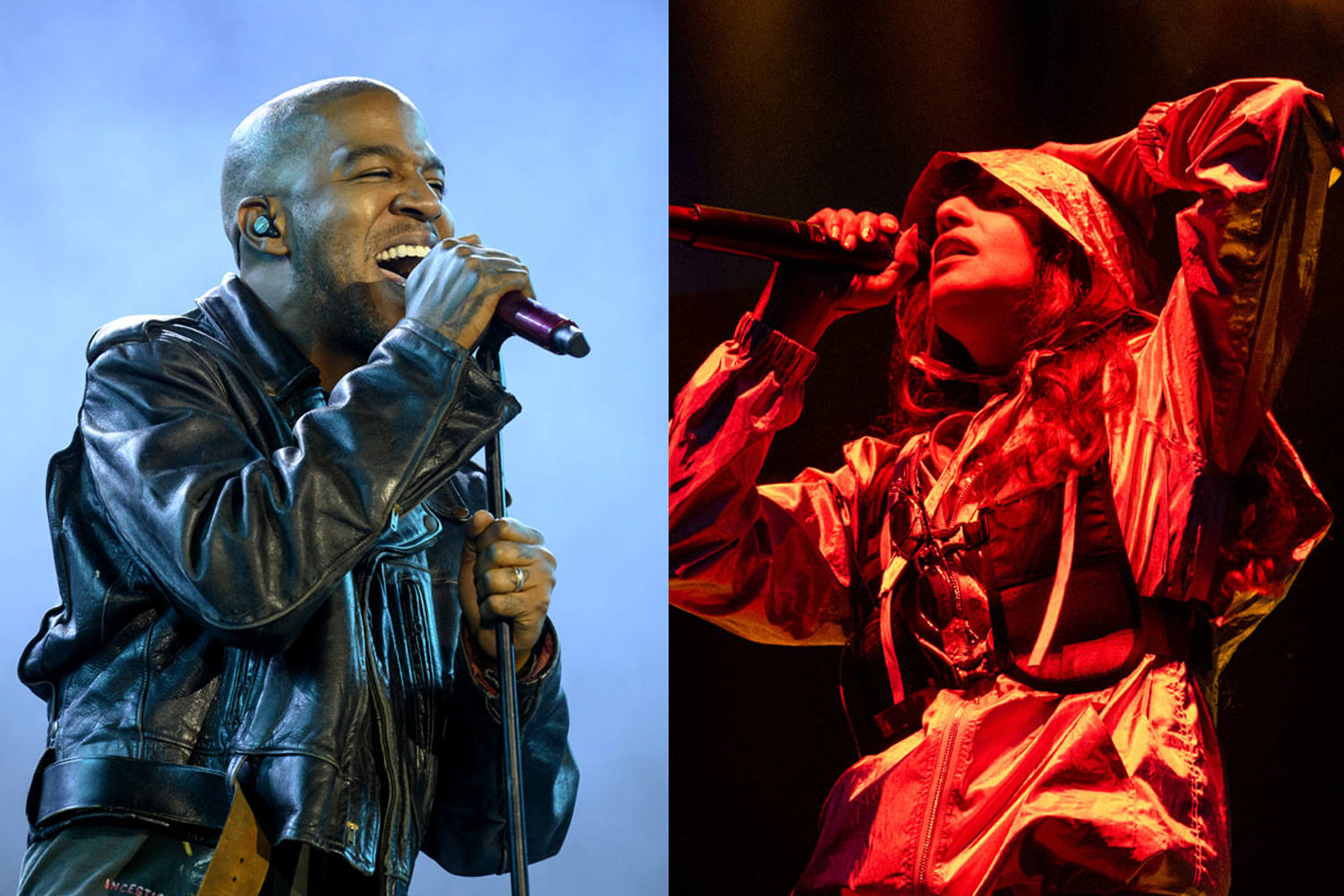
The entertainment press loves a messy lawsuit. When M.I.A. filed a suit against Kid Cudi alleging she was dropped from his tour as a public relations scapegoat to cover up dismal ticket sales, the media took the bait hook, line, and sinker. The narrative was instantly set: an artist getting pushed out by a fragile male ego, or an artist getting cut to save a bleeding bottom line.
Both narratives are fundamentally wrong. They focus on the drama while ignoring the cold, hard mechanics of modern live touring economics. Meanwhile, you can read related events here: Inside the Talladega Nights 4K SteelBook Release and the Business of Physical Comedy.
The lazy consensus dominating public discussion is that dropping an opener is a viable damage-control strategy for a failing tour. It is not. In fact, cutting a major supporting act mid-stream rarely saves a collapsing arena run, and using a high-profile termination for "publicity" is a catastrophic business move that no sane promoter would endorse. Having spent two decades analyzing the balance sheets of major live entertainment ventures and watching promoters burn millions on poorly optimized routing, I can tell you that this lawsuit is not a revelation of hidden industry malice. It is a symptom of a much deeper, structural ignorance about how live music actually generates cash.
Let us dismantle the illusion. To understand the bigger picture, check out the excellent analysis by Deadline.
The Myth of the Scapegoat Opener
The core argument of the litigation rests on a flawed premise: that removing a supporting act somehow masks low consumer demand.
Consider how arena tour budgeting actually operates. When a promoter like Live Nation or AEG builds a budget for an arena run, the financial commitments are largely locked in months before the first semi-truck rolls out. The venue rentals, production staff, lighting rigs, trucking logistics, and insurance premiums are fixed costs.
The supporting act is typically paid a guaranteed flat fee per night, sometimes paired with a small percentage of the merchandise sales. If a tour is suffering from low ticket velocity, removing a supporting act does exactly two things to the balance sheet:
- It reduces the night-to-night payout to that specific artist.
- It immediately alienates the segment of the audience that bought tickets specifically to see that opener.
Removing a distinct, genre-defining artist like M.I.A. from a bill featuring Kid Cudi does not hide low ticket sales. It accelerates them. You do not fix a sinking ship by throwing one of your engines overboard to make the boat lighter. The fans who wanted to see the opening act will demand refunds, and the negative press generated by the cancellation creates a toxic aura around the remaining dates. No experienced promoter uses artist termination as a marketing strategy. It is the logistical equivalent of burning your house down to get rid of a spider.
Why Artists Constantly Misunderstand Tour Data
The public commentary surrounding this dispute features a lot of finger-pointing at "low ticket sales" as if it is a black-and-white metric. The truth is that ticket velocity is a deeply misunderstood variable, even by the musicians on the marquee.
Artists often look at a seating chart two weeks before a show, see a sea of blue dots representing unsold inventory, and panic. They assume the tour is a failure. What they fail to realize is that the modern ticketing ecosystem relies heavily on late-stage purchasing windows, dynamic pricing algorithms, and secondary market manipulation.
Imagine a scenario where an arena show has only sold 40% of its capacity thirty days out. To an outsider, or a frustrated opening act, this looks like an unmitigated disaster. To a sophisticated tour accountant, it might be exactly according to plan. Promoters routinely hold back specific tranches of tickets to artificially manipulate scarcity, releasing them closer to the event date when they can maximize revenue via platinum pricing or dump them through authorized discount channels to fill the room.
When an artist gets dropped, it is rarely because a spreadsheet suddenly showed a dip in sales on a Tuesday afternoon. It is almost always a breakdown in communication regarding the execution of these back-end financial maneuvers, or a clash over who bears the risk when the dynamic pricing strategy fails to yield the expected yield per seat.
The Real Cost of Touring Nobody Wants to Discuss
The real villain in modern touring is not personal animosity or publicity stunts. It is inflation across the supply chain.
Since the resurgence of large-scale live events, the cost of staging an arena tour has skyrocketed. Diesel fuel for transport, labor for local stagehands, arena rigging fees, and specialized audio-visual equipment leasing have risen by 30% to 50% across the board.
- Trucking and Logistics: Moving a standard arena production requires anywhere from 8 to 15 semi-trucks. The daily operational cost of that fleet is immense, regardless of whether the venue is half-empty or completely sold out.
- Venue Comms: Arenas take massive cuts of food, beverage, and parking revenue. If a room is half-empty, the venue loses money on concessions, which means they squeeze the promoter on the back-end infrastructure fees.
When a tour faces financial distress, the pressure does not come from a desire for "good publicity." It comes from the crushing weight of these fixed operational expenses. If an opener is removed, it is almost always a desperate, last-minute attempt to claw back cash to cover the soaring costs of diesel and union labor, not a calculated PR chess move. It is a sign of a budget that was poorly modeled from day one.
The Flawed Questions Everyone Is Asking
If you look at the discussion forums and industry trade publications, the questions being asked are completely off-target.
People are asking: Did Kid Cudi's team panic because the rooms weren't full?
The better question is: Why was this specific package paired together in arenas that were clearly too large for the combined demographic pull?
The industry has fallen into a dangerous trap of assuming that streaming metrics translate directly into arena ticket sales. They do not. A billion streams does not equal 15,000 people willing to spend $150 on a Tuesday night in a secondary market, plus $40 for parking and $18 for a beer. Streaming is a passive, low-friction activity. Attending an arena concert is a high-friction, high-cost investment.
When a tour struggles, the blame lies with the agents and management teams who misjudged the conversion rate from digital fandom to physical attendance. Suing over publicity angles is merely rearranging the deck chairs on the Titanic while ignoring the massive iceberg of audience fragmentation.
The Hard Truth of Live Entertainment Risk
The contrarian reality that nobody wants to admit is that both sides of these tour disputes are usually suffering from the same delusion: that the old model of touring still works for mid-tier legacy acts and alternative hip-hop stars.
The arena circuit is increasingly becoming a winner-take-all environment. A tiny handful of global stadium acts capture the vast majority of consumer spend, leaving everyone else to fight over dwindling discretionary income. When you try to force a niche, culturally significant but commercially volatile package into a sports arena, you are playing Russian roulette with a promoter's bank account.
The downside of acknowledging this reality is uncomfortable. It means admitting that many of our favorite artists belong in 3,000-seat theaters, not 18,000-seat basketball arenas. But admitting that would require a level of ego management that the music industry simply is not built to handle.
Stop looking at the lawsuit as a personal drama between two eccentric creatives. Start looking at it as a predictable consequence of an industry that refuses to scale its live ambitions to match the reality of its consumer base. The system is not rigged to create fake publicity; it is rigged to punish bad math.
So, let the lawyers bill their hours and let the gossip blogs write their headlines. The numbers do not lie, and they do not care about anyone's public image. The era of inflated arena touring is facing a reckoning, and no amount of litigation or public finger-pointing will change the fact that you cannot monetize a crowd that does not exist.