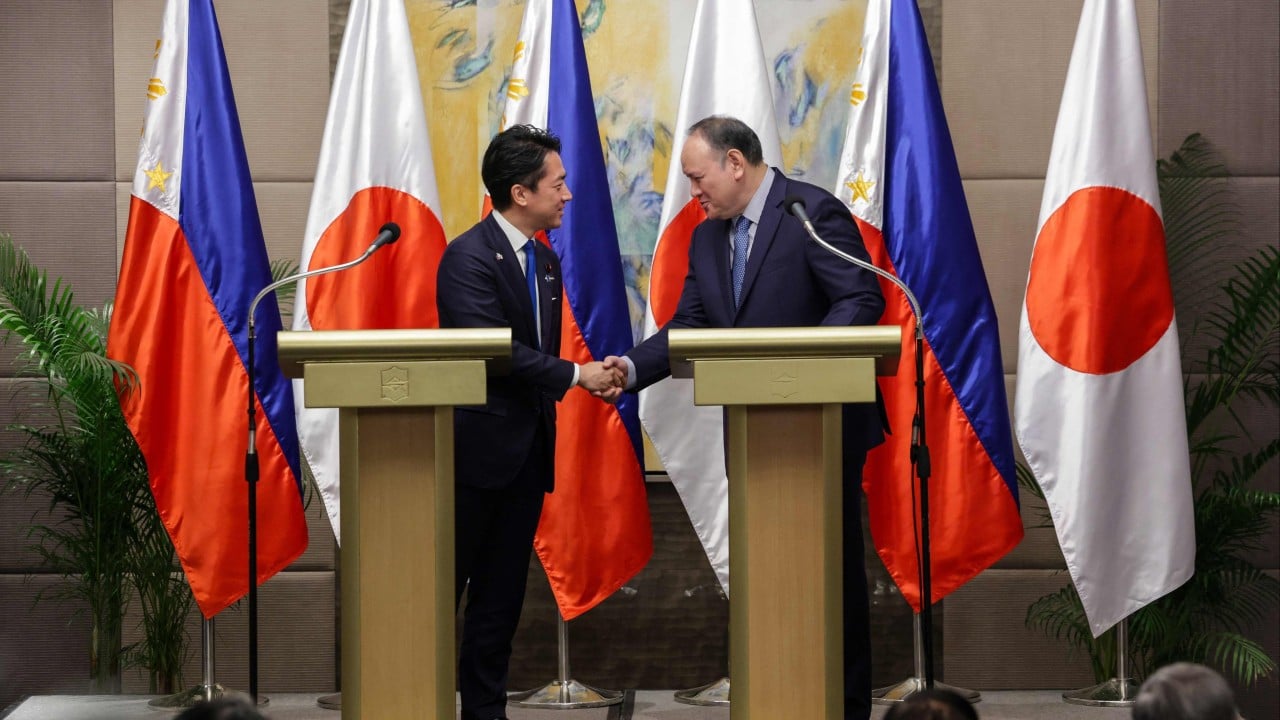
The rapid acceleration of naval transfers between Japan and the Philippines marks a departure from decades of cautious regional posturing. By moving to fast-track the handover of decommissioned or refurbished destroyers, Tokyo is not merely clearing out its shipyards; it is intentionally building a surrogate fleet to contest dominance in the South China Sea. This is a calculated gamble. The transfer of such sophisticated hardware represents the most significant shift in Japanese foreign policy since the end of the Second World War.
For the Philippines, these vessels are a lifeline. The Philippine Navy has long struggled with a "mosquito fleet" mentality, relying on aging patrol craft and repurposed Coast Guard cutters to defend some of the most contested waters on the planet. The introduction of Japanese destroyers changes the math of maritime encounters. It shifts the dynamic from passive observation to active deterrence.
The Logistics of a High Stakes Handover
Moving a destroyer from the Japan Maritime Self-Defense Force (JMSDF) to the Philippine Navy is not as simple as handing over the keys to a used car. These are complex ecosystems of sensors, weaponry, and propulsion systems. The current "fast-track" initiative aims to bypass the typical five-to-seven-year procurement cycle, attempting to put steel in the water within twenty-four months.
Japan is utilizing the Official Security Assistance (OSA) framework to make this happen. Unlike traditional development aid, which focuses on bridges and schools, OSA is designed specifically to bolster the defense capabilities of like-minded nations. This is the mechanism that allows Japan to sidestep constitutional hurdles regarding the export of "lethal" equipment. By classifying these destroyers as essential for "maritime domain awareness" and "humanitarian response," Tokyo can justify the transfer of platforms that are, at their core, built for surface warfare.
The technical hurdles remain immense. Philippine sailors require intensive training to operate Japanese turbine engines and integrated combat systems. We are seeing a massive influx of Japanese technical advisors in Cavite and Subic Bay, working to ensure the local infrastructure can actually support these 5,000-ton behemoths. Without proper dry-docking facilities and a steady supply chain for specialized parts, these ships will become nothing more than floating targets within a year.
Why the Hatakaze and Asagiri Classes Matter
Speculation points toward the transfer of older Hatakaze-class or Asagiri-class vessels. While these ships are nearing the end of their frontline service in Japan, they remain formidable compared to anything currently in the Philippine inventory.
The Asagiri-class, for instance, brings a sophisticated anti-submarine warfare (ASW) suite and a vertical launching system (VLS) that can, in theory, be outfitted with various defensive missiles. In the shallow, acoustic-heavy environments of the West Philippine Sea, having a platform with a dedicated sonar array and helicopter hangar provides a massive advantage. It forces an adversary to think twice before deploying sub-surface assets.
Weaponry and Soft Power
The real tension lies in the armament. Japan is under pressure to strip certain offensive capabilities before transfer to comply with its self-imposed "Three Principles" on defense equipment. However, a destroyer without its teeth is just a very expensive yacht. Negotiators are currently haggling over the retention of Harpoon-capable launchers and Close-In Weapon Systems (CIWS).
The Philippine side argues that "deterrence" requires credible lethality. If these ships arrive with empty canisters, the entire "fast-track" effort loses its psychological impact. Tokyo knows this. They are threading a needle between domestic pacifism and the harsh reality of regional power dynamics.
The Invisible Price Tag
Nothing in geopolitics is free. While the ships might be provided through grants or low-interest loans, the operational cost will eat the Philippine defense budget alive. Running a single destroyer can cost millions of dollars annually in fuel, maintenance, and personnel training.
Critics in Manila point out that the Philippine Navy might be overextending itself. There is a risk of "capability indigestion"—where a military acquires advanced tech faster than it can develop the doctrine or budget to use it. If the Philippines cannot afford to keep these ships at sea, they will sit at the pier, becoming symbols of national pride but strategic irrelevance.
Japan is offsetting some of this risk by bundling the ship transfers with long-term maintenance contracts. This creates a symbiotic relationship. Manila gets the hardware; Japanese defense contractors get a steady stream of work and a permanent footprint in Philippine naval bases. It is a brilliant bit of industrial policy disguised as a security pact.
Countering the Grey Zone Strategy
The move is a direct response to "grey zone" tactics—actions that fall below the threshold of open warfare but aggressively change the status quo. For years, the Philippines has been bullied by maritime militias and coast guard vessels that dwarf their own patrol boats. By deploying actual destroyers, Manila raises the stakes.
It is much harder to ram a 150-meter destroyer than it is to harass a wooden fishing vessel or a small coast guard cutter. These ships provide a "command presence" that has been missing. When a Japanese-built destroyer sits on the horizon, the narrative changes. It signals that the Philippines is no longer a bystander in its own backyard.
However, this escalation carries a danger of miscalculation. An accidental collision or a weapon-lock incident involving a major surface combatant is far more likely to trigger a regional crisis than a skirmish between fishing boats. The "fast-track" nature of this deal means there is less time for the diplomatic "guardrails" to be established.
The Personnel Bottleneck
The most overlooked factor in this entire deal is the human element. A destroyer requires a crew of 200 to 300 highly trained specialists. The Philippine Navy currently has a shortage of officers with experience in modern electronic warfare and integrated fire control.
Japan is addressing this by opening its naval academies to Philippine midshipmen at an unprecedented rate. We are seeing the birth of a "Japan-trained" officer corps within the Philippine military. This creates a deep, generational link between the two navies. In twenty years, the admirals leading the Philippine Navy will be men and women who learned their trade in Yokosuka and Sasebo.
This isn't just about ships; it’s about institutional alignment. Tokyo is successfully exporting its naval doctrine and operational culture to the heart of Southeast Asia.
Regional Ripples and the China Factor
Beijing has predictably reacted with hostility, labeling the move as a threat to regional stability. But the "fast-track" transfer is also causing jitters among other ASEAN neighbors. Countries like Vietnam and Indonesia are watching closely. If the Philippines successfully integrates Japanese destroyers, it sets a precedent. It creates a template for Japan to become the primary security provider for the region, potentially eclipsing the role traditionally held by the United States.
Washington, for its part, is quietly cheering from the sidelines. The U.S. Navy is stretched thin, and having a more capable Philippine Navy—backed by Japanese technology—lightens the load. It fits perfectly into the "integrated deterrence" strategy where allies take a more proactive role in their own defense.
Hard Truths of Maritime Defense
Despite the fanfare, these destroyers are not a "silver bullet." They are aging hulls that will require constant attention. They are being moved into a theater where anti-ship ballistic missiles and swarms of cheap drones are becoming the norm. A 30-year-old destroyer, no matter how well-maintained, is vulnerable to modern asymmetrical threats.
The success of this transfer will not be measured by the size of the welcoming ceremony in Manila. It will be measured by the ship’s "uptime"—the number of days it can spend on station in the disputed shoals without a mechanical failure. If these ships spend more time in the shop than at sea, the "fast-track" initiative will be remembered as a hollow political gesture rather than a strategic masterstroke.
The Philippines must also resist the urge to use these ships as mere symbols. They must be integrated into a broader network of land-based sensors and air assets. A destroyer operating in isolation is a liability. A destroyer operating as part of a multi-domain defense network is a powerhouse.
Japan has crossed a Rubicon. By transferring primary surface combatants to a foreign power, it has effectively ended its era of "checkbook diplomacy." Tokyo is now an active participant in the re-arming of Asia. The speed of this deal suggests that both Manila and Tokyo believe the window for peaceful deterrence is closing faster than anyone cares to admit.
Ensure the dry docks are ready before the hulls arrive.