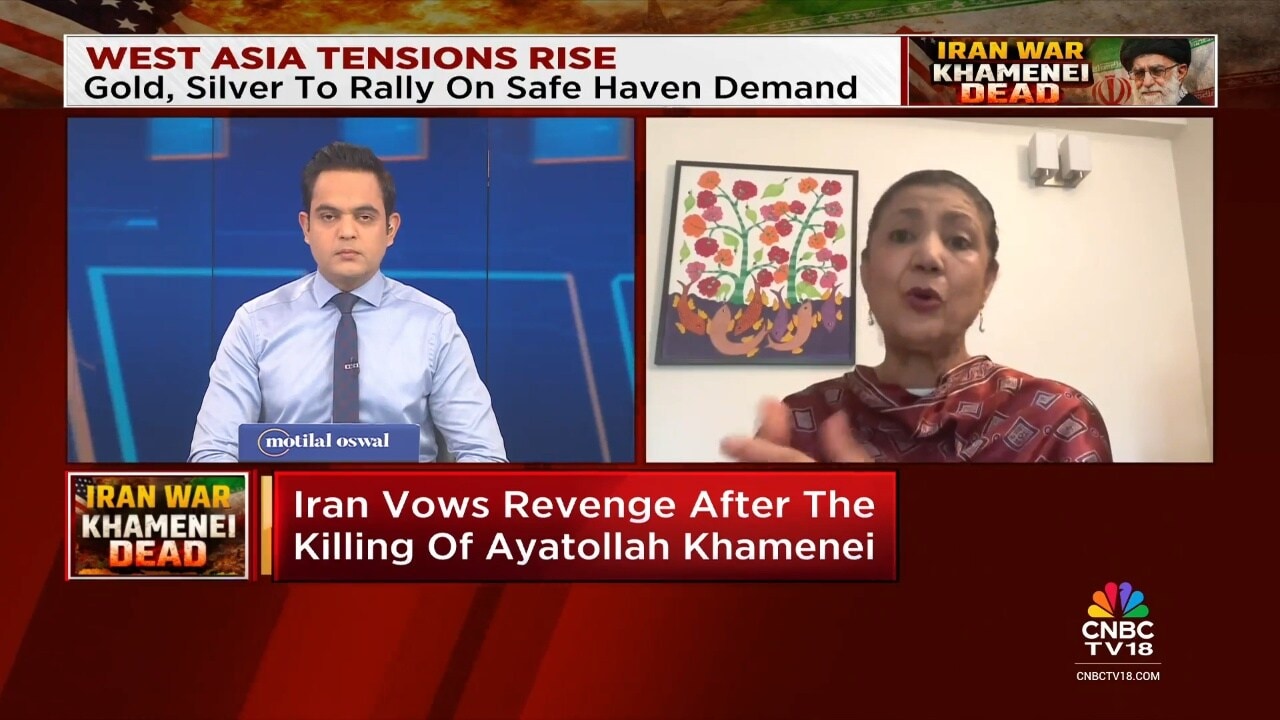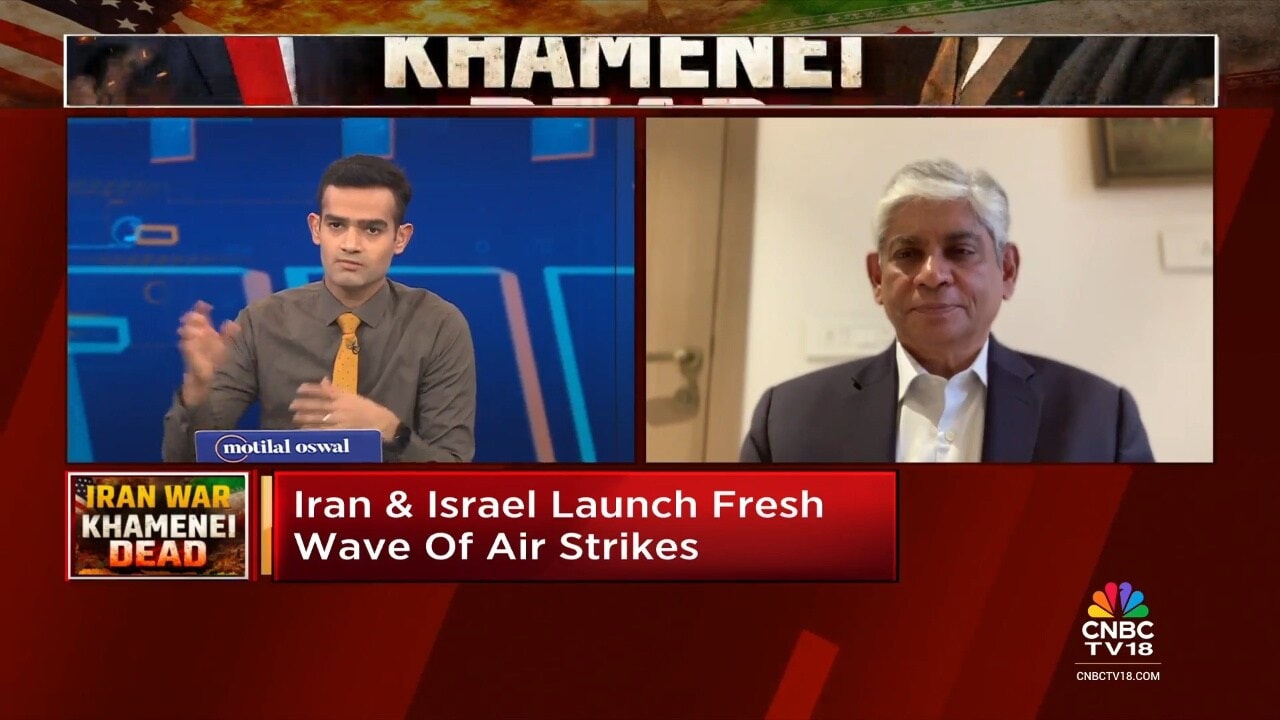
The mourning of a foreign head of state in a rural Indian village is not a spontaneous emotional anomaly but the byproduct of a specific, centuries-old demographic and theological pipeline. In places like Sarzapur and its environs in Karnataka, the reaction to the death of Iran’s Supreme Leader reflects a deeply entrenched structural connection that transcends modern Westphalian borders. To understand this phenomenon, one must look past the surface-level reporting of "mourning" and instead analyze the Three Vectors of Transnational Affinity: genealogical descent, educational migration, and the institutionalization of religious jurisprudence.
The Demographic Anchor: The Genealogy of the Alavi and Mousavi Lines
The presence of a concentrated mourning population in Karnataka is rooted in the historical migration of the Sayyids—individuals claiming direct lineage from the Islamic prophet—from the Middle East into the Deccan Plateau during the Bahmani and Adil Shahi sultanates. This migration was not merely a movement of people but a transfer of social capital.
The village of Sarzapur acts as a micro-repository for this lineage. The residents do not view the Iranian Supreme Leader solely as a political figure but as a high-ranking member of a shared genealogical guild. This creates a Kinship-Based Legitimacy Loop. When a figure like Ayatollah Ali Khamenei dies, the local reaction is a function of "marja-i-taqlid" (source of emulation), where the spiritual authority of the Iranian clergy is codified into the daily lives of the local population through shared ancestry and religious duty.
The Educational Feedback Loop: The Qom-Sarzapur Pipeline
A critical driver of this localized mourning is the Educational Migration Model. Small villages in Karnataka have established a consistent human capital pipeline to Qom, Iran’s theological center.
- Recruitment and Selection: Local madrasas identify high-potential students who are then sent to Al-Mustafa International University in Qom.
- Indoctrination and Expertise: These students spend decades mastering Jafari jurisprudence, returning to their home villages as "Maulanas" or "Hujjat al-Islams."
- Information Distribution: Upon return, these scholars become the primary nodes of information. They do not just teach religion; they synchronize local sentiment with the geopolitical and spiritual stances of the Iranian establishment.
This pipeline creates a Monopoly on Interpretation. The local population’s understanding of global events is filtered through these returned scholars. Therefore, the mourning observed in Karnataka is a measured, institutionalized response directed by an educated elite that maintains a direct professional and spiritual link to the Iranian state apparatus.
The Infrastructure of Grief: Analyzing the Ritual Economy
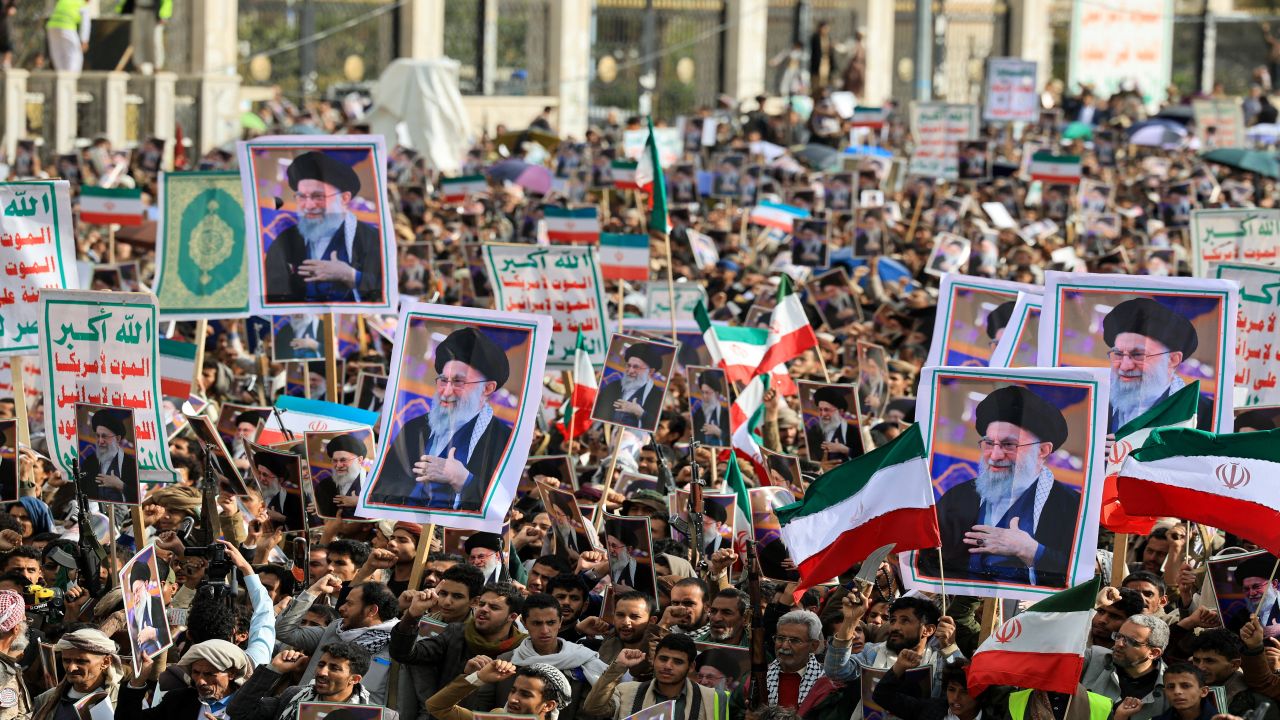
The "mourning" reported in the media is a visible manifestation of a complex Ritual Economy. It involves the deployment of specific logistical assets: black banners (Alams), public recitation of elegies (Nauha), and the suspension of commercial activity. This is not disorganized sorrow; it is a highly choreographed display of communal identity.
The cost function of this mourning includes:
- Opportunity Cost: The cessation of agricultural and trade labor within the community for the duration of the mourning period.
- Social Signalling: The intensity of the mourning serves as a signal to other Shia pockets in India (such as those in Lucknow or Hyderabad) of the village's commitment to the central tenets of Wilayat al-Faqih (Guardianship of the Islamic Jurist).
This ritualistic infrastructure ensures that the community remains a cohesive unit, resistant to the homogenizing pressures of the broader regional culture. It asserts a distinct identity that is simultaneously local (Kannada-speaking) and global (Pan-Shia).
Geopolitical Projections and Local Realities
The relationship between a Karnataka village and the Iranian state provides a unique case study in Soft Power Projection. While India maintains a strategic partnership with Iran centered on energy and the Chabahar port, this sub-national connection operates on a purely ideological level.
There is a frequent misconception that this affinity implies political disloyalty to the Indian state. In reality, the community operates under a Dual-Framework Allegiance. They adhere to the secular laws of the Indian Union while deferring to the Iranian Supreme Leader on matters of personal law and spiritual metaphysics. The "mourning" is the point where these two worlds briefly collide in the public eye.
The death of a Supreme Leader triggers a Succession Anxiety within these satellite communities. The primary concern is not the political stability of Tehran, but the continuity of the "Marja" system. If the next leader does not command the same level of scholarly respect, the pipeline to Qom—and by extension, the social status of the local Maulanas—could face a devaluation.
The Structural Breakdown of the Mourning Process
To quantify the impact of such an event on a local level, one can categorize the community's response into three distinct phases:
Phase I: The Verification and Information Dissemination
Within minutes of the official announcement from Tehran, the "Qom Pipeline" activates. Local scholars receive confirmation through clerical networks (often via encrypted messaging platforms), bypassing traditional media. This ensures that the local narrative is controlled and synchronized with the official Iranian stance.
Phase II: Symbolic Decommissioning
Public spaces are transformed. The removal of colorful decorations and the installation of black iconography serve as a visual "hard reset" for the village. This phase is critical for enforcing communal participation; the visual landscape dictates the emotional tone, leaving little room for dissent or apathy.
Phase III: The Commemorative Assembly
The Majlis (gathering) serves as the analytical core of the mourning process. Here, the life of the deceased is framed through the lens of historical struggles (the Karbala narrative). This reframing ensures that the death is not seen as an isolated contemporary event but as a continuation of a thousand-year theological arc.
Strategic Implications for Regional Stability
The existence of these ideological islands within the Indian state presents a specific set of variables for internal security and diplomatic analysts. The primary risk is not radicalization in the conventional sense, but the potential for Proxy Sentiment Volatility. Because the local community is so tightly coupled with Iranian leadership, shifts in Iran’s foreign policy can lead to localized protests or shifts in voting blocks within India.
However, this connection also offers a Backchannel Opportunity. These communities act as informal cultural attachés. Their deep understanding of Persian social norms and clerical hierarchy represents an underutilized asset for Indian diplomacy.
The maintenance of this transnational link depends entirely on the survival of the clerical educational system. Should Iran undergo a secular transformation or should the Qom-India scholarship programs be restricted, the "historic links" mentioned in casual reporting would likely atrophy within two generations, as the genealogical connection alone is insufficient to maintain the current level of ideological rigor.
The strategic play for any entity observing this space is to monitor the Clerical Succession in Qom as a leading indicator for local stability in these Karnataka enclaves. The transition of power in Tehran will directly dictate the social cohesion and the future "ritual output" of Sarzapur. Observation of the "Maulana-to-layman" ratio in these villages will provide the most accurate data on whether this transnational axis is strengthening or entering a period of terminal decay.
Identify the key scholarship-holding families in the region to map the future of this ideological corridor; their educational choices for the next generation will be the definitive signal of either continued alignment with Tehran or a pivot toward localized, independent religious structures.