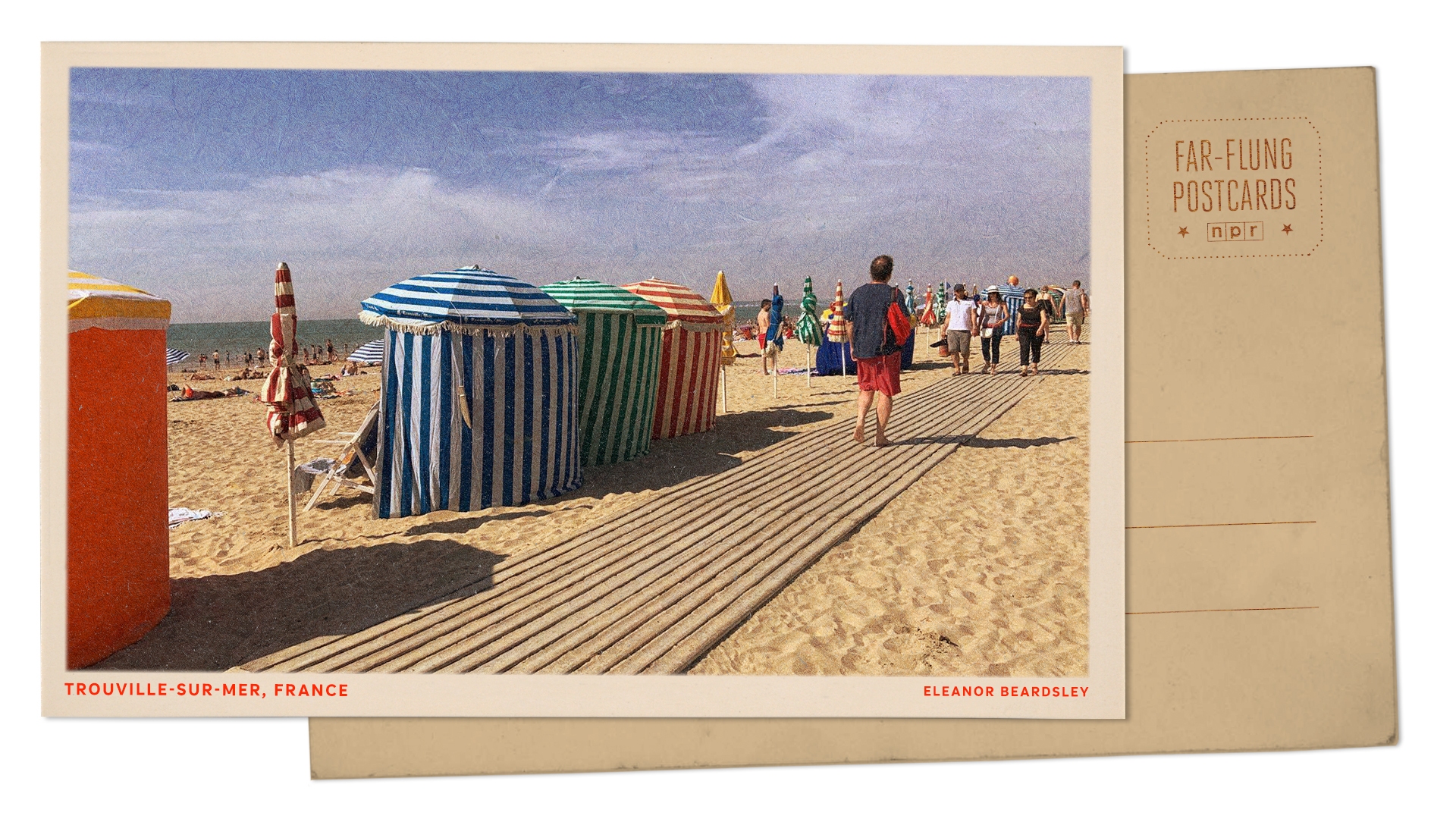
Everyone wants a slice of frozen time. Travel writers love nothing more than a lazy narrative about a French seaside resort that refuses to change, parroting the comforting lie that Trouville-sur-Mer is still the pastel-tinted playground Claude Monet captured on canvas in the late nineteenth century.
It is a fairy tale for people who hate reality.
I have spent enough afternoons dodging slow-walking tour groups on the boardwalk and choking on overpriced diesel fumes near the fish market to know the truth. Trouville is not a preserved museum piece. It is a modern town caught in an identity crisis, wearing the ghost of Impressionism like a cheap Halloween costume to squeeze cash out of weekenders from Paris.
Stop buying the marketing brochure. Here is what is actually happening behind the romanticized greasepaint.
The Monet Myth and the Cost of Stagnation
The lazy consensus says that staying the same is a virtue. If a town looked charming in 1870, logic dictates it should look charming now, untouched by the brutal machinery of progress.
That is economic suicide disguised as nostalgia.
When a destination markets itself as "little changed," it usually means it has failed to adapt intelligently to the actual needs of living, breathing inhabitants, relying instead on theatrical preservation. Walk past the iconic Planches boardwalk and look past the colorful facades. You are looking at a community frozen in amber, where housing prices are detached from local wages, driven upward by second-home buyers who show up for four weeks in August and leave the rest of the year dead and hollow.
Monet did not paint a postcard for tourists; he painted light, movement, weather, and the industrializing reality of his own present moment. He painted the trains, the bustling harbor, and the raw energy of a working port. By freezing Trouville in the amber of 1863, modern tourism strips away the very vitality that inspired the Impressionists in the first place.
The Real Economics of the Norman Coast
Let us look at the structural mechanics of the Calvados coast.
Deauville, Trouville's immediate neighbor across the Touques river, leaned hard into high-end luxury, horse racing, and American film festivals. It is slick, expensive, and unapologetic about its wealth. Trouville tried to play the bohemian card, positioning itself as the authentic, working-class alternative to Deauville's bourgeois sheen.
The result? A schizophrenic compromise.
You get traditional fish markets operating alongside aggressively mediocre tourist-trap brasseries serving frozen seafood at premium prices to people who wouldn't know a sole meuniere from a fish stick. The local economy swings wildly between hyper-inflated summer months and winter ghost-town status.
I have watched local businesses burn through capital trying to cater to fleeting seasonal crowds while municipal budgets get sucked into repainting shutters for the tourists rather than fixing structural infrastructure or supporting year-round enterprise.
How to Actually Experience the Coast Without Being a Mark
If you refuse to listen and still insist on going, stop doing what the travel blogs tell you to do. Do not sit at a front-row cafe table on the boardwalk paying twelve euros for a lukewarm espresso while listening to someone play an out-of-tune accordion.
Here is how you actually engage with the region:
- Skip the boardwalk dining: Walk three blocks inland away from the water. Find the tiny bistros where the menu changes daily because the chef buys whatever the morning boat actually hauled in, not what a global supply chain truck dropped off.
- Understand the tides: The beach at Trouville transforms drastically between high and low tide. Use the mudflats to walk out, but respect the channel currents. Nature does not care about your itinerary.
- Embrace the grit: Look at the working port infrastructure. Talk to the actual fishermen who still brave the Channel, not the souvenir shop owners selling plastic buckets.
The romance of travel is not found in visiting a place that refuses to move. It is found in understanding how a place survives the collision between its history and the modern world. Trouville-sur-Mer is surviving, but it is doing so in spite of the lazy mythology tourists project onto it.
Burn the postcards. Look at the water.