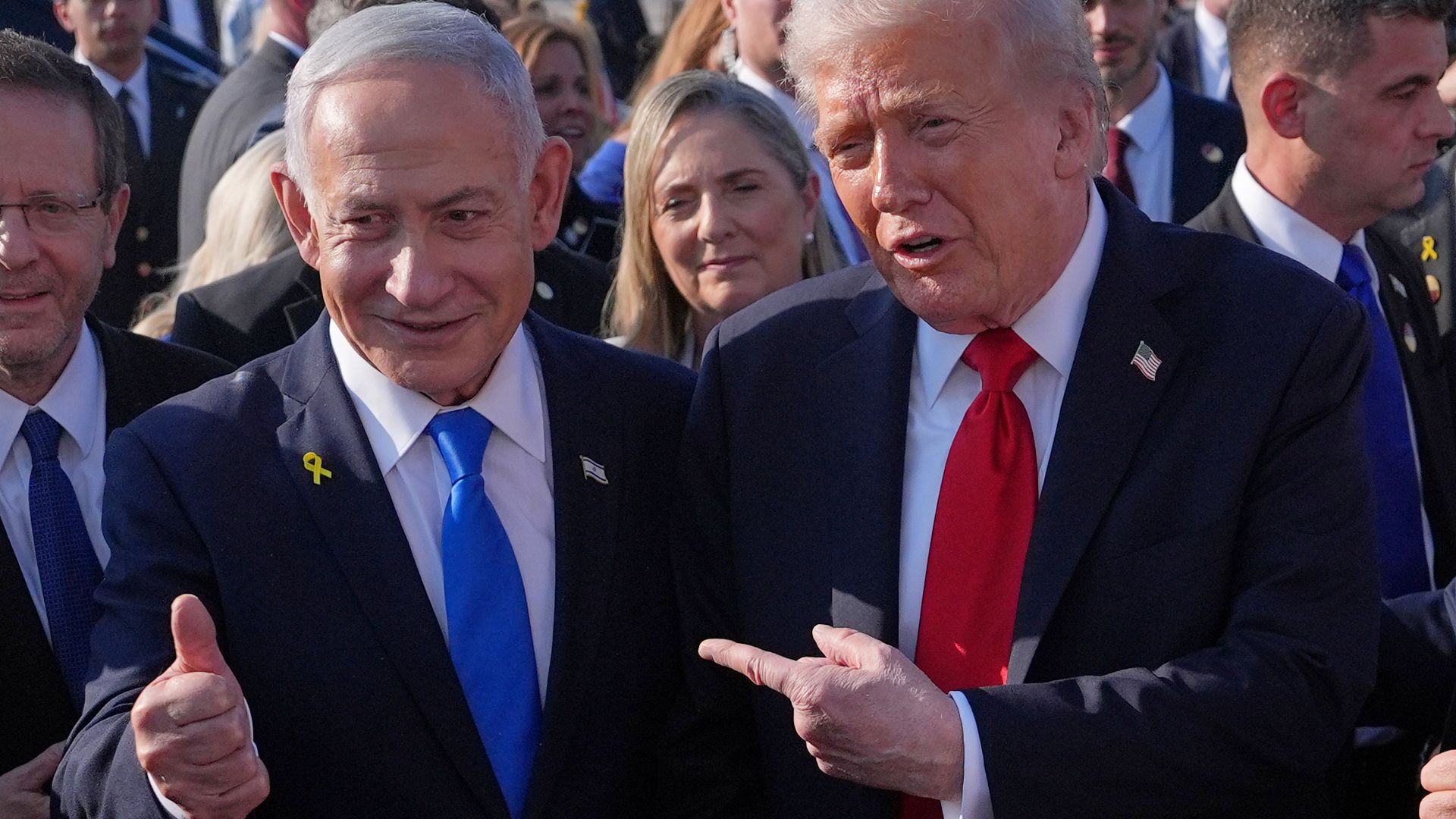
An endorsement from a U.S. president usually sends shockwaves through Israeli politics. When Donald Trump threw his weight behind Benjamin Netanyahu ahead of the October 27, 2026 parliamentary election, calling him a strong wartime leader, it looked like a classic political lifeline.
Except it didn't hand Netanyahu a governing majority. Building on this theme, you can also read: What Happens After the Sirens Stop in France.
In fact, less than two weeks after the ballots were cast, President Isaac Herzog tapped former military chief Gadi Eisenkot on November 7 to try to build the next government. Watching the aftermath unfold shows why foreign endorsements—even loud, high-profile ones from Washington—rarely overcome deep domestic exhaustion in Jerusalem.
How Trump's Endorsement of Netanyahu Actually Played Out
For months leading up to the vote, Trump kept voters and pundits guessing. Back in August, he suggested staying out of Israel's election might be best, even as he left the door ajar for a late intervention. When the endorsement finally landed in mid-October, the timing was hard to miss: Israel was heading into its first national election since the October 7, 2023 attacks and the devastating multi-front wars that followed, while the U.S. midterm elections were just weeks away. Experts at The Washington Post have also weighed in on this matter.
Trump framed his backing around shared security action and regional leverage. He pointed to close U.S.-Israeli military coordination—including operations against Iran earlier in 2026—and portrayed himself and Netanyahu as partners capable of finishing wartime objectives and shaping regional diplomacy. On election night and the day after, Trump told reporters he believed his endorsement gave Netanyahu a boost and helped him outperform gloomy expectations, noting early counts looked tight or like a stalemate.
Here's the catch, though. Performing slightly better than a worst-case projection isn't the same as winning the math in Israel's 120-seat Knesset. Because Israelis vote for party lists rather than directly for a prime minister, coalition arithmetic rules everything. Netanyahu's bloc fell short of the 61 seats needed for a clean majority, leaving him as caretaker prime minister while rivals moved fast to test alternative alliances.
A Message Aimed Beyond Israeli Voters
If you look closely at the timing, the endorsement wasn't purely about convincing undecided voters in Tel Aviv or Haifa. Analysts noted that Trump's public backing also carried a signal toward Tehran and highlighted his broader regional posture—including his "Board of Peace" initiative and ongoing debates over whether military pressure on Iran would resume after the U.S. midterms.
That dual audience is a common trap when people read foreign endorsements. A U.S. leader might talk like they're speaking directly to the Israeli electorate, when half the message is meant for domestic supporters in America or adversaries across the Middle East. Voters on the ground in Israel usually care a lot more about what happens at home tomorrow morning.
Why Domestic Issues Drowned Out the Washington Boost
A big mistake outside observers make is treating Israeli elections like a referendum on U.S. foreign policy. Washington's seal of approval matters on defense aid and diplomatic cover, sure. It doesn't settle arguments over military drafts, wartime accountability, or coalition fatigue.
After years of conflict—starting with the October 7 Hamas attack that killed 1,200 people, mostly civilians, and saw 251 abducted, followed by grueling fighting in Gaza and wider regional clashes—Israeli society was carrying heavy emotional and economic weight. Polling ahead of the election showed roughly half of Israelis favored a broad unity government, while only about 23% backed the kind of narrow right-wing, ultra-Orthodox coalition Netanyahu had leaned on.
Consider the concrete issues that drove voters:
- Military service exemptions: Netanyahu's longtime ultra-Orthodox coalition partners have pushed to preserve draft exemptions for full-time yeshiva students, whereas Eisenkot—who lost his son and two nephews in Gaza combat—campaigned hard on ending de facto exemptions.
- Accountability after October 7: Families and many voters have demanded a formal, independent state inquiry into the failures surrounding October 7, alongside debates over judicial overhaul policies and prime ministerial term limits.
- International isolation: Israel's global standing took a severe hit over the Gaza war, complicated by an international arrest warrant against Netanyahu and genocide accusations at the International Court of Justice—cases Israel strongly rejects.
Even if a voter liked the idea of strong U.S. military backing, that didn't magically erase frustration over who shoulders the burden of military service or who leads the country through post-war reckoning.
What Post-Election Coalition Math Means Right Now
If you're trying to make sense of the headlines coming out of Jerusalem in November 2026, don't get stuck on single-day vote tallies. The real drama sits in coalition bargaining and parliamentary maneuvering.
Once Herzog tasked Eisenkot with forming a government, the anti-Netanyahu camp moved to flex its muscle in the 26th Knesset, including installing Matan Kahana as Knesset Speaker—a move Netanyahu fiercely condemned as relying on the votes of what he called terror supporters. That clash alone shows how bitter and fragile the political terrain is.
For Eisenkot's bloc, putting together a durable majority is no walk in the park. Arab parties hold 19 seats and could play a decisive role in coalition arithmetic or parliamentary support, while ideological gaps among opposition leaders require careful trade-offs. Meanwhile, Netanyahu remains caretaker prime minister unless and until a new government is sworn in—and if coalition talks collapse, another election next year isn't off the table.
Where U.S.-Israel Relations Go From Here
Some commentators wonder whether Netanyahu's stalled coalition path weakens his leverage with Trump. Honestly, it's a mixed picture. Trump already showed he's willing to work closely with Netanyahu on security matters, yet analysts at institutions like the Center for Strategic and International Studies have pointed out that Trump hasn't shown an appetite for a total rupture with the Israeli government either—even when their priorities don't line up neatly.
If Eisenkot succeeds in forming a broad or unity-oriented coalition, Washington could see a different negotiating partner on post-war arrangements, regional diplomacy, and international repair work. If talks stall and deadlock drags on, uncertainty will keep hanging over both Jerusalem and regional security decisions.
Practical Ways to Follow the Story Without Getting Misled
Middle East election coverage gets noisy fast, especially when social media clips pull single quotes out of context. If you want to track what actually happens next:
- Watch coalition math, not just party headlines: Track how close any bloc gets to 61 seats in the 120-seat Knesset and which smaller parties hold leverage during negotiations.
- Separate campaign rhetoric from governing policy: A leader might talk tough on Iran or unity during rallies and parliamentary votes, while actual policy depends on coalition agreements and U.S. administration moves.
- Check multiple reporting angles: Compare Israeli outlets like The Times of Israel or The Jerusalem Post with policy analysis from groups like CSIS and international wire reports to catch domestic nuances that get flattened in quick summaries.
- Keep an eye on key legislative flashpoints: Watch early Knesset votes on speaker appointments, draft exemption rules, and any push for an October 7 inquiry—those moves show who actually holds control on the ground.