The fragile peace in the Persian Gulf just went up in smoke. Again.
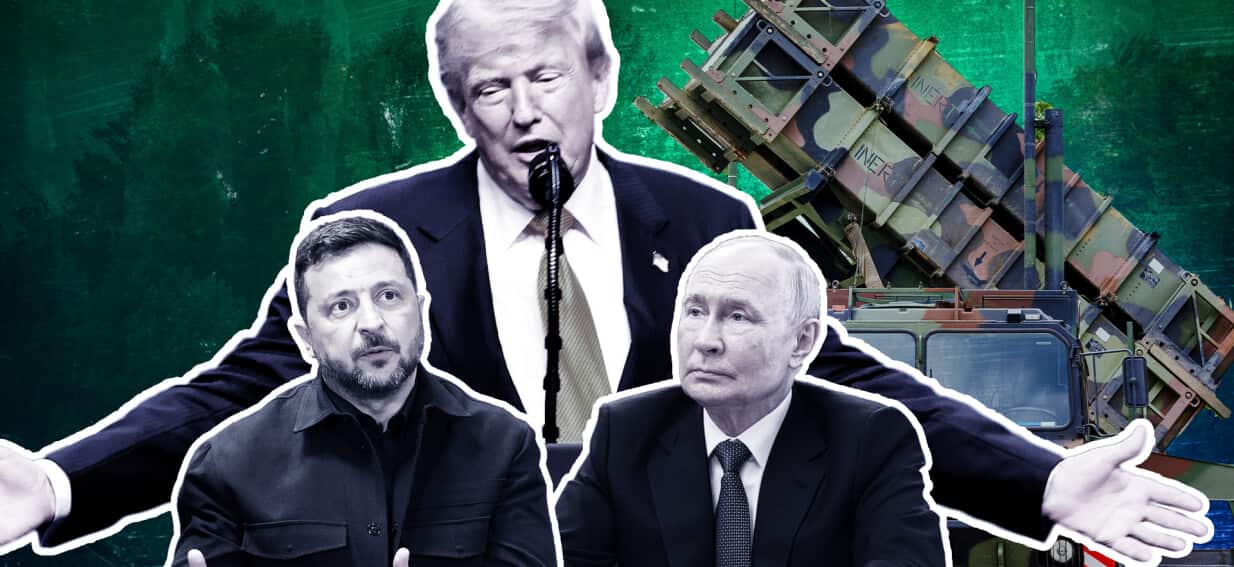
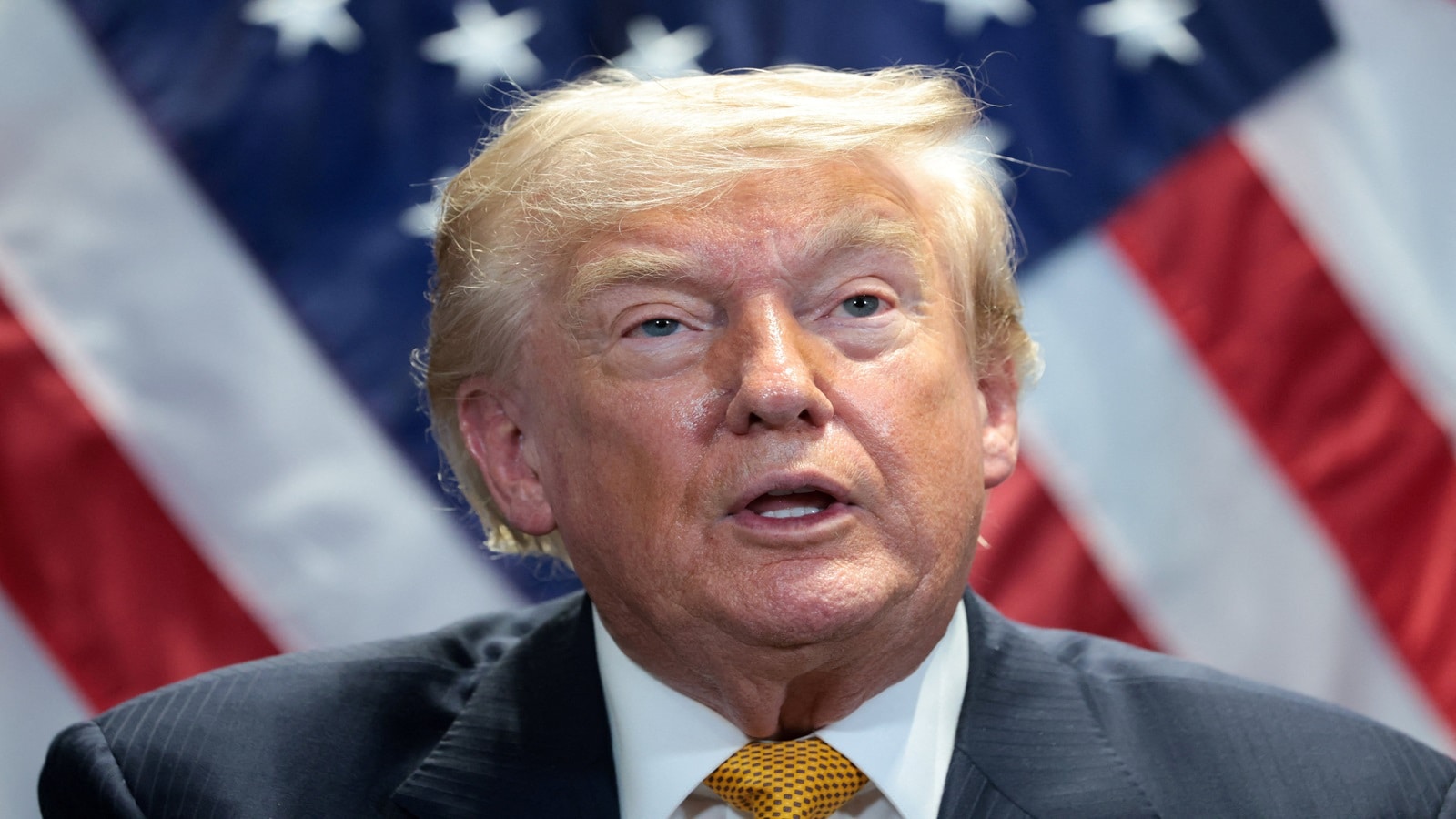
Aboard Air Force One at RAF Mildenhall, Donald Trump threw a massive wrench into global diplomacy by announcing that Iran called him begging for a deal. He claims they want it badly. But in the same breath, he made it clear he thinks they are sort of crazy and completely untrustworthy.
This isn't just standard political theater. It is a high-stakes game of military chicken played out over the world's most vital energy bottleneck. Hours after the U.S. launched massive retaliatory airstrikes against Iranian infrastructure, Trump basically declared the hard-fought interim ceasefire dead. The whiplash is enough to give the entire international community vertigo. One day there is a signed memorandum of understanding in Islamabad, and the next day American bombs are dropping on Iranian coastal bases while Tehran fires drones at U.S. assets in Kuwait and Bahrain.
The Myth of the Worthy Negotiator
Trump’s core dilemma is glaringly obvious. You can't easily sign a historic peace accord with a regime you publicly label as out of control. Trump told reporters that while the Iranian leadership is desperate to escape the economic and military vice grip, he has serious doubts about their capacity to honor any signatures.
"I just don't know if they're worthy of making a deal," Trump muttered to the press pool.
That is the absolute heart of the issue. Washington wants free, unhindered passage through the Strait of Hormuz. Tehran insists on a new reality where they control the traffic and levy fees on commercial vessels. When three commercial tankers sailing near Oman refused to play by Iran's rules, the drones flew. When the drones flew, the U.S. military responded with a 20-to-1 retaliation ratio, according to Trump's math.
This back-and-forth exposes a massive fracture within Iran itself. While diplomats like Foreign Minister Abbas Araghchi try to save face on social media by talking about Iranian civility and greatness, the Islamic Revolutionary Guard Corps (IRGC) is busy launching missiles at U.S. bases in Arifjan and Juffair. It looks like the right hand has no idea what the left hand is doing. Or worse, they don't care.
Why a Military Victory Isn't a Diplomatic One
The White House claims the U.S. has already won militarily. Central Command knocked out roughly 90 military targets along the coast, flattening drone storage facilities and logistics hubs. Power grids failed in the southern port city of Chabahar. A railway bridge in the northeast got wrecked.
But a broken logistics hub does not equal a compliant adversary.
U.S. - Iran Escalation Scoreboard (July 2026)
---------------------------------------------------------
Iranian Action: Dropped drones on commercial tankers near Oman.
U.S. Response: 90 coastal strikes on drone and missile sites.
Iranian Counter: Ballistic strikes on U.S. bases in Kuwait and Bahrain.
Current Status: Interim ceasefire declared dead by Trump.
---------------------------------------------------------
Historically, whenever the U.S. applies maximum pressure, Iran pushes back through asymmetric chaos. They know they can't match American naval power head-on. Instead, they squeeze the global economy by threatening the one thing the West needs to keep running smoothly: oil shipping.
Every time a bomb drops, oil prices spike. Investors panic. Shippers get terrified. Right now, nearly 6,000 seafarers are stranded in the region, completely stuck in limbo while Washington and Tehran trade playground insults and high-explosive ordnance. Trump keeps threatening to hit civilian infrastructure or seize Kharg Island, where 90% of Iran's oil exports originate. It is a terrifying prospect that could push global energy markets into a tailspin.
The Problem With Blind Faith in Deterrence
A common mistake amateur geopolitical analysts make is assuming that sheer military dominance automatically forces an opponent to surrender. It doesn't work that way with an ideological regime facing internal strife.
The Iranian public is exhausted. They endured massive protests in 2022 and again early this year. They are dealing with rolling blackouts, inflation, and the looming shadow of total war. Yet, the hardliners in the IRGC feel they have nothing left to lose. When Parliament Speaker Mohammad Bagher Ghalibaf posts that the era of bullying is over, he is speaking directly to his domestic base, signaling that folding to Trump is completely out of the question.
Reading Between the Lines of the Air Force One Briefing
If Iran really did call Trump to beg for a deal, it proves the economic pain is severe. But Trump’s public dismissal of the call shows he is shifting his strategy. He is no longer looking for a quick, superficial photo-op. He wants total capitulation or total degradation of their capability.
The press pool aboard the president's plane was reportedly ordered to shut their window blinds due to potential security threats. Trump joked about being number one on Iran's hit list, but the undercurrent was dead serious. There is a profound lack of trust that makes any diplomatic path forward look like a minefield.
If you are tracking this conflict for its impact on global business or energy markets, stop looking at the official diplomatic statements. Ignore the tweets about civility. Watch the shipping lanes and the deployment of U.S. carrier strike groups.
The next logical step for maritime operators is simple. Reroute around the Cape of Good Hope if you can, or prepare for sky-high insurance premiums in the Gulf. The interim truce is gone, the military is hitting back much harder, and a real deal won't happen until one side completely runs out of options.