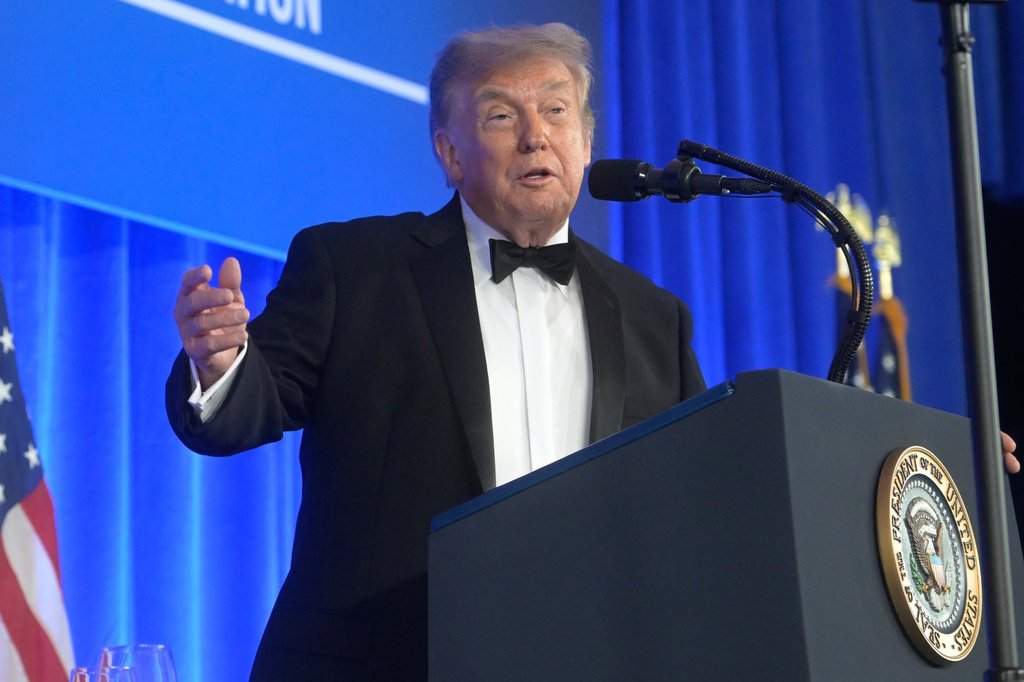
Politics and pop culture always crash into each other in messy ways. When Donald Trump famously declared that the "show must go on" regarding a rescheduled White House Correspondents Association dinner, it wasn't just a throwaway line. It was a masterclass in media manipulation. You've probably seen politicians dodge reporters, hide behind PR teams, or run away from tough questions. Trump did the opposite. He leaned straight into the friction, turning a traditional white-tie gala into a high-stakes public spectacle.
Let's break down why this specific moment keeps echoing through political commentary and what it tells us about modern media strategy. Discover more on a connected topic: this related article.
The Real Strategy Behind the Rescheduled Dinner
Most people missed the underlying mechanics of how these mega-events function. Washington loves its rituals. The annual White House Correspondents Dinner usually acts as an unwritten truce between the executive branch and the Fourth Estate. Journalists trade barbs with politicians, celebrities walk the red carpet, and everyone pretends to laugh off the scandals of the past year.
When things get rocky, schedules shift. Events get pushed back. But turning a cancellation or a reschedule into a theatrical display of resilience? That takes a specific playbook. More analysis by The Washington Post delves into similar views on the subject.
- The media loves a spectacle.
- Conflict drives ratings.
- Controlling the narrative beats defending your record every single time.
Trump didn't invent this game, but he played it louder than anyone else. By framing the rescheduled date around the old show business adage that the show must go on, he reframed himself as the star performer while the press corps became his captive audience.
How Politicians Use Entertainment to Bypass the Press
We live in an era where traditional journalism faces constant trust issues. When a politician treats a press event like a theatrical production, the power dynamic shifts. You aren't watching a hard-hitting policy debate anymore. You're watching entertainment.
Think about how this plays out in real-time.
[Politician's Stage] ---> [Media Spotlight] ---> [Voter Engagement]
When you wrap your public appearances in the language of show business, accountability takes a back seat. Viewers stop asking about legislative failures or budget gaps. Instead, they talk about who wore what, who said a snappy comeback, and who won the night.
The Cost of Turning Governance Into Reality TV
It works brilliantly for short-term attention. It fails miserably when you need actual governance.
- Complex policy discussions get lost in the noise.
- Nuance dies under bright stage lights.
- Public trust erodes into pure cynicism.
When everything is a performance, nobody believes anything is real anymore. That is the exact trap modern political strategy walks into every single day.
What You Should Watch For Next
Stop looking at political events through the lens of boring policy memos. Look at them as live theater. When leaders drop pop culture catchphrases or lean into media drama, they are executing a deliberate script designed to dominate your attention span.
Next time a high-profile political gala gets rescheduled, canceled, or turned upside down, ask yourself a simple question. Who benefits from turning this into a show? The answer will usually point you straight to the real objective. Stay sharp, look past the lights, and always watch what they are doing while you are busy watching the performance.