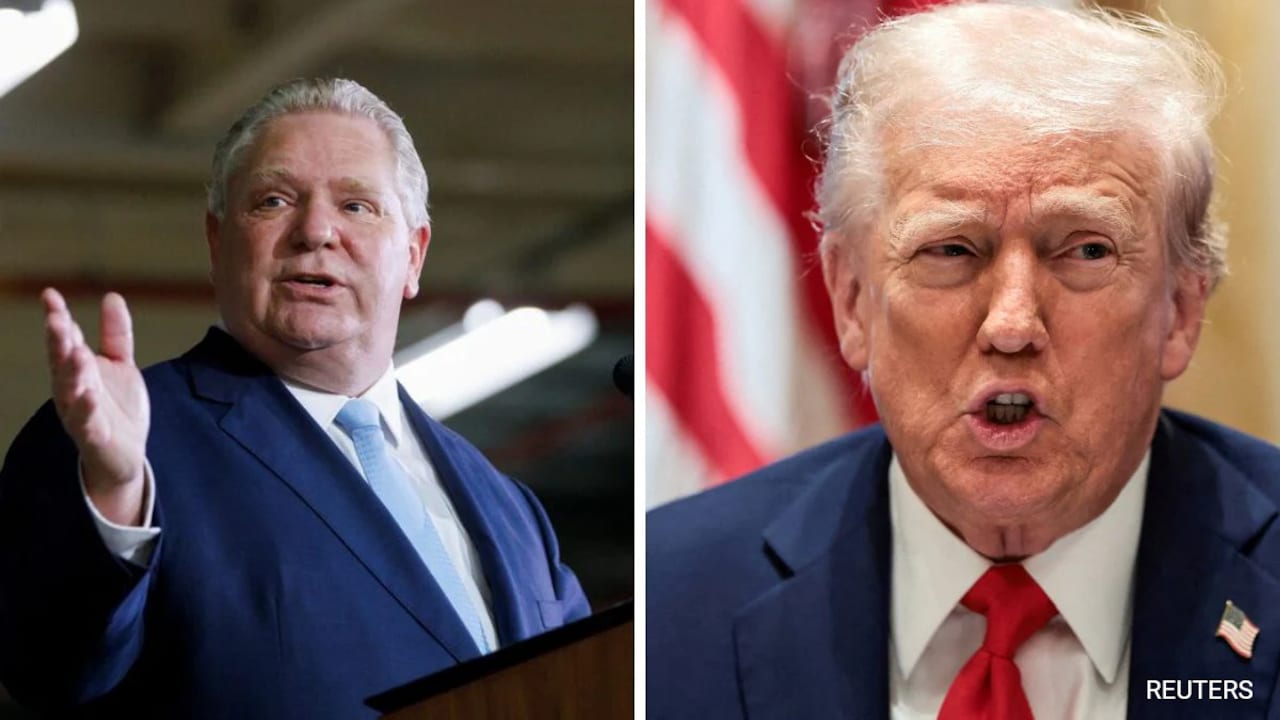
Diplomacy went completely out the window when Donald Trump and Ontario Premier Doug Ford started slinging insults at each other in one of the most bizarre public feuds between neighbors in recent history.
If you are wondering how a routine dispute over cross-border commerce turned into a high-school style name-calling match involving family history and bankruptcy jabs, you are not alone. Trade talks between Washington and Ottawa collapsed after sudden shifts in proposed terms, triggering a cascade of 50 percent tariffs on billions of dollars in Canadian goods. What followed was pure political theater that exposed deep fractures in the North American trade alliance.
How the Border Trade War Turned Personal
The friction intensified after negotiations broke down and the White House slapped heavy duties on Canadian cars, trucks, and steel. Prime Minister Mark Carney announced that Canada would ready dollar-for-dollar retaliatory measures, putting manufacturing heartlands right in the crosshairs.
Ontario sits directly on the front line of this economic battle. When a radio host read Trump's latest online post live on air to Doug Ford, the Ontario premier didn't hold back, firing off an unscripted response that set off a social media storm.
Trump fired back on Truth Social by labeling Ford a "flunky" to Carney and invoking his late brother, former Toronto mayor Rob Ford, comparing their political styles and charisma. It was a sharp, deeply personal escalation that instantly shifted the focus from supply chains and auto parts to raw personal animosity.
Hitting Back Harder
Ford didn't back down when faced with the online attacks during a later press conference at a construction site. Surrounded by hard-hatted workers, he labeled Trump a dictator, a bully, and the king of bankruptcies.
"I have more courage, more brains in my baby toe than he has in his whole body," Ford told reporters, adding that everyday citizens in the United States would eventually make their frustrations known at the ballot box.
This is not the first time these two populist figures have clashed. Both are known for an unfiltered, business-first style of politics that thrives on confrontation. But escalating tariff threats to 50 percent on critical automotive imports means the stakes are vastly higher than a simple war of words. Automotive supply chains weave seamlessly across the border, meaning every round of escalation directly threatens tens of thousands of manufacturing jobs on both sides.
Where Things Go From Here
With Canada planning targeted countermeasures and trade officials refusing to rush back to Washington without a fair framework, the economic standoff is far from over. Watch for official updates from the Bank of Nova Scotia financial reports and regional trade boards to see how local industries absorb the cost. Keep an eye on upcoming economic disclosures from official federal portals as both governments navigate the fallout of this fractured agreement.