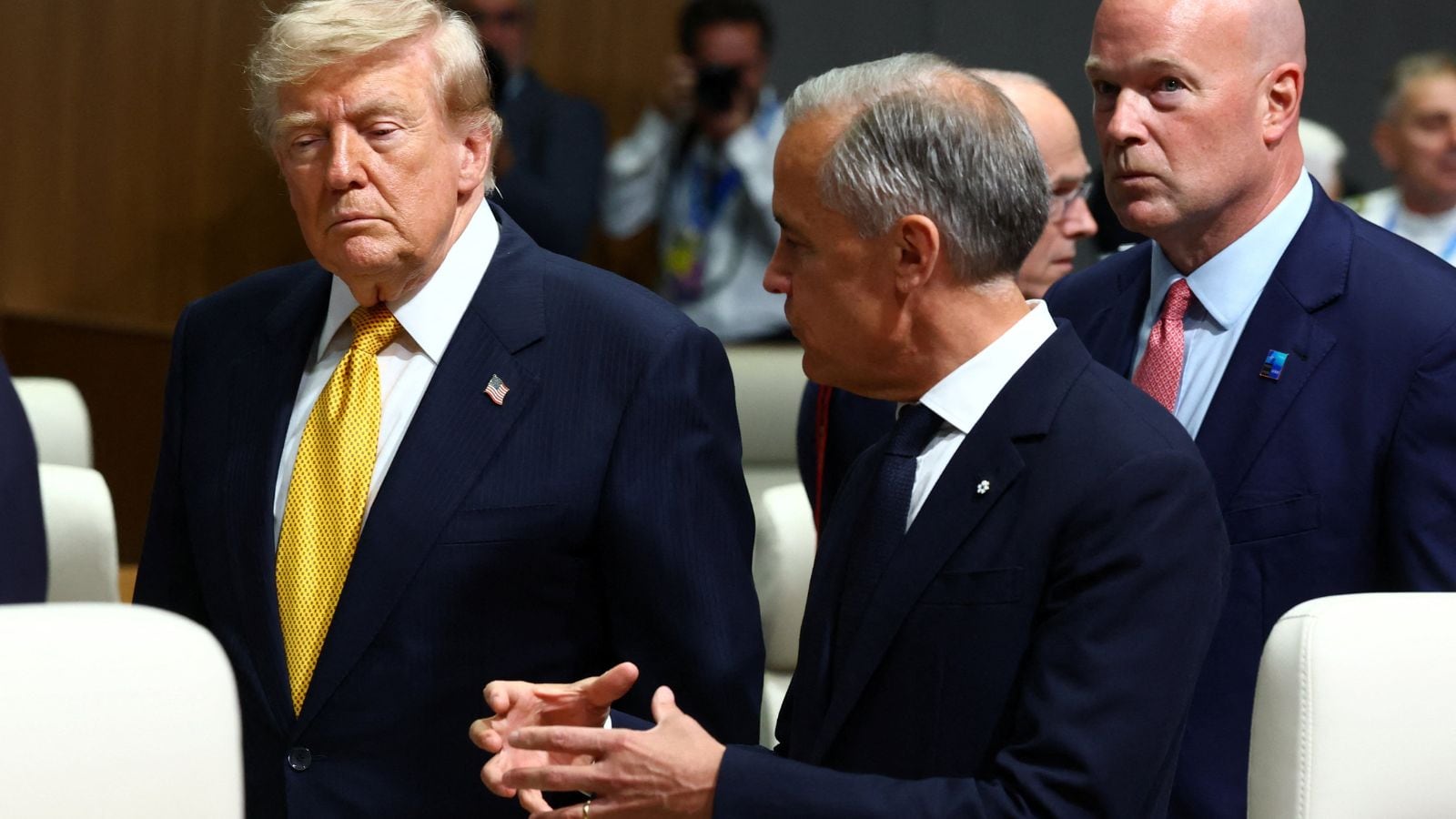
Donald Trump just pulled a obscure, Great Depression-era law out of the history books to hit Canada with 50% tariffs.
If you thought cross-border trade friction was cooling off, think again. The White House signed executive orders slapping 50% duties on a massive list of Canadian exports, ranging from automotive components, wine, and dairy to cement, furniture, and hockey sticks.
The move targets roughly every sector outside of critical minerals and energy, straight-up bypassing protections laid out in the United States–Mexico–Canada Agreement (USMCA).
Ottawa isn't panicking, but Prime Minister Mark Carney isn't backing down either. While Carney reiterated that Canada remains open to intensifying trade talks before the 30-day clock runs out, he made one thing crystal clear: Canada won't be bullied into a bad deal.
Here is what's actually driving this sudden escalation, what legal loophole Trump tapped to make it happen, and what it means for consumers on both sides of the border.
The Legal Loophole Behind the 50 Percent Levy
Presidential tariff announcements usually rely on standard trade statutes like Section 232 or Section 301. Not this time.
Trump dug up Section 338 of the Tariff Act of 1930. It's an untested, nearly ancient law designed to penalize nations deemed to be discriminating against U.S. commerce.
The White House explicitly framed the decision as retaliation. Washington claims Canada is engaging in discriminatory treatment against American-made vehicles, alcohol, and dairy products.
Specifically, U.S. Trade Representative Jamieson Greer highlighted three core grievances:
- Most Canadian provinces pulling American alcohol off retail shelves.
- Ottawa giving European Union dairy imports better market access than U.S. dairy.
- Restrictions on U.S. vehicle exports tied to companies reshoring manufacturing.
Legal experts from the Cato Institute and major trade law firms noted that Section 338 hasn't been wielded like this in modern history. Because it sits in uncharted territory, it carries immense litigation risk and will almost certainly face immediate court challenges. But court cases take months, and the administration gave a 30-day window before these tariffs bite.
How Ottawa Is Playing Its Cards
Mark Carney’s response was measured, firm, and strategic. Speaking shortly after the White House announcement, Carney pointed out that Canada’s actions were never arbitrary.
Ottawa simply matched earlier U.S. levies on Canadian autos.
"This is the latest in a series of unilateral U.S. trade actions that began with the U.S. imposing tariffs in direct violation of CUSMA," Carney stated, noting that Canada merely exercised its legal right to respond proportionately.
Instead of immediately threatening another wave of dollar-for-dollar retaliatory duties, Carney left the door open for diplomacy. Ottawa has already put forward comprehensive proposals aimed at modernizing the USMCA.
Carney knows trade disputes don't happen in a vacuum—they hurt everyday voters. By keeping his cool, he places the burden back on Washington while signalling to international markets that Canada is the stable adult in the room.
Wildfire Smoke and Political Leverage
You can't separate these tariffs from the strange, tense diplomatic backdrop of the past few weeks.
Just a day before signing the tariff orders, Trump and Carney were sitting together in a VIP suite at MetLife Stadium watching the World Cup final. Right after the match, Trump told reporters at Joint Base Andrews that he brought up Canadian wildfire smoke drifting into northern U.S. states, demanding Canada pay damages or face tariffs over air quality.
Is the 50% tariff actually about alcohol and dairy, or is it aggressive posturing to force Canada into a corner during USMCA renegotiations? Most seasoned trade analysts believe it's pure leverage.
USMCA review talks are approaching. U.S. discussions with Mexico have moved faster, making Ottawa the primary target for maximum pressure. Threatening massive disruptions on everything from wine to hockey equipment creates panic among Canadian business groups, pressuring Ottawa to settle quickly.
Who Pays the Price?
Trade wars sound like high-level political chess, but the bill always lands on regular people.
If these 50% tariffs take full effect after the 30-day clock expires, the economic splash zone will be wide:
- American Consumers: Slapping a 50% tax on imported Canadian cement, furniture, and auto parts directly drives up domestic manufacturing costs. Construction projects will get pricier, and vehicle repair costs will tick upward.
- Cross-Border Supply Chains: The auto sector operates as a tightly integrated regional engine. Parts cross the U.S.-Canada border multiple times before a vehicle is fully assembled. A massive tariff wall creates immediate bottlenecks.
- Hospitality and Retail: U.S. distillers and beverage producers are already expressing alarm. A back-and-forth tariff battle destroys export markets for American spirits at a time when hospitality businesses are already squeezed by inflation.
Practical Steps for Businesses and Investors
If your business relies on cross-border supply chains or you're managing trade exposure, don't wait around to see if the 30-day deadline gets extended. Take action now:
- Audit Your Tariff Classifications: Verify whether your specific products fall under Section 338 exemptions. Remember, energy products and critical minerals were spared in this specific order.
- Review Contractual Incoterms: Check who bears the financial burden of unexpected import duties under your current supplier agreements (e.g., DDP vs. FOB).
- Buffer Inventory Shortages: Build short-term safety stock for essential components sourced from Canadian suppliers before the 30-day window shuts.
- Monitor USMCA Renegotiation Signals: Watch for diplomatic movement out of Ottawa and Washington over the next fortnight. A last-minute trade deal or temporary stay is common in tariff brinkmanship.