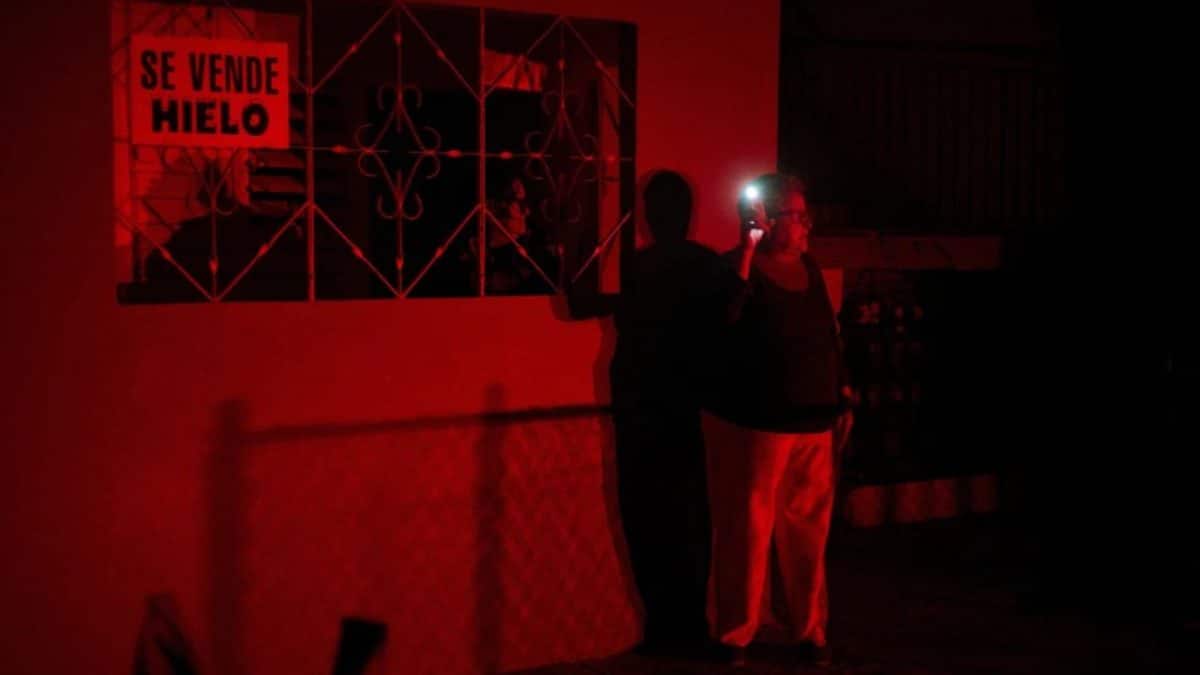
Cuba is running on fumes. Literally. If you've been watching the news this week, you’ve seen the headlines about the island's power grid collapsing, but Donald Trump just took the rhetoric to a whole new level. Speaking from his Doral golf club in Florida on March 9, 2026, he didn't just point out that the country is in "deep trouble." He started talking about a "friendly takeover."
It sounds like something out of a 19th-century history book, but for the people in Havana sitting in the dark, the situation is anything but theoretical. Trump’s strategy is simple: squeeze the island until the doors fly open. With Venezuela’s Nicolás Maduro out of the picture and a U.S. oil blockade in full swing, the Cuban government is facing its most desperate moment since the Soviet Union collapsed.
The end of the line for Havana
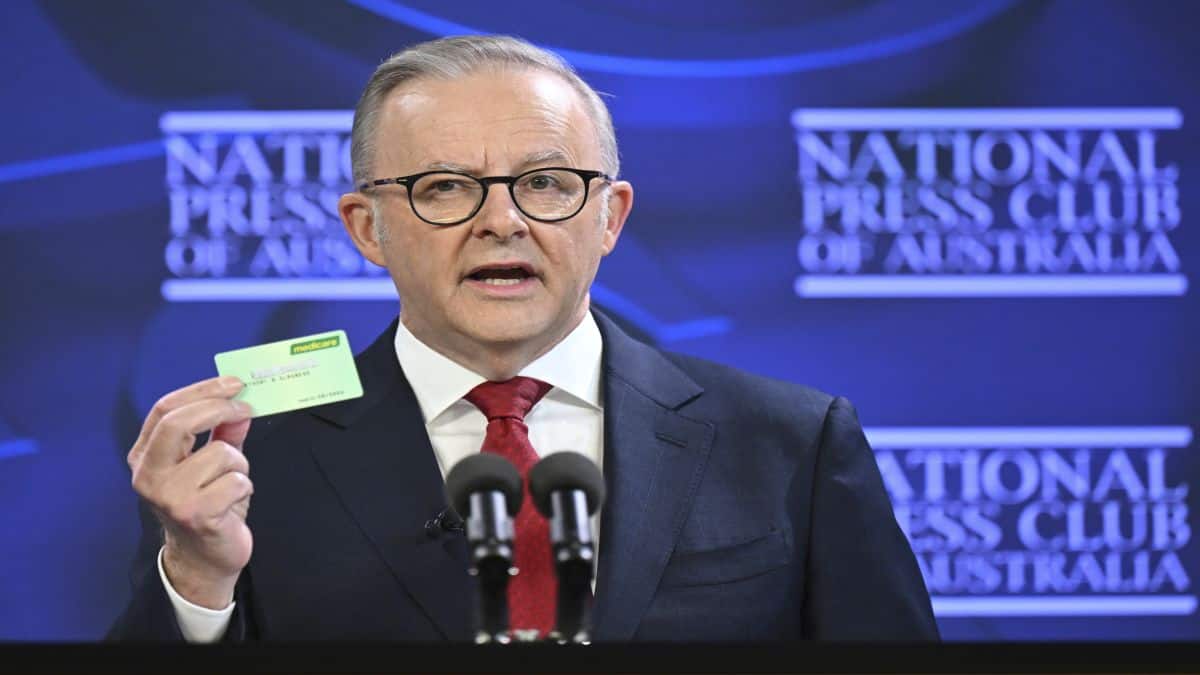
Trump isn't known for being subtle. When he says a country is in "deep trouble on a humanitarian basis," he’s usually signaling that he’s ready to move in. During his press conference, he was blunt. "They have no energy, they have no money," he told reporters. He’s right. The U.S. has effectively choked off the island’s life support.
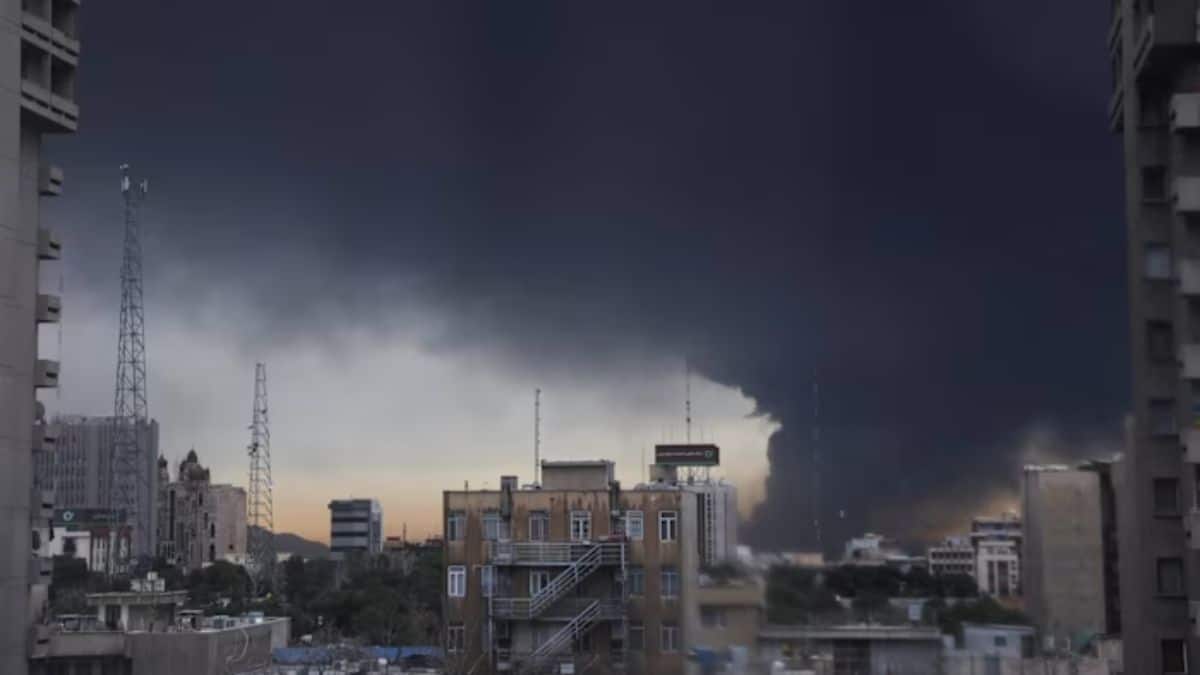
By capturing Maduro in January and blocking oil shipments from any country daring to supply the regime, the U.S. has created a vacuum. Without Venezuelan oil or Russian subsidies, Cuba’s power plants are failing. In cities like Matanzas and Havana, people are banging pots and pans in the streets. They aren't just hungry; they’re tired of the dark.
What does a friendly takeover even mean
When Trump mentions a "friendly takeover," he isn’t necessarily talking about boots on the ground. He’s talking about a business deal. Secretary of State Marco Rubio is reportedly the point man for these discussions. The goal? An economic "opening" that looks a lot like a corporate acquisition.
Reports suggest U.S. officials have been meeting with Raúl Guillermo Rodríguez Castro—Raúl Castro’s grandson—to discuss terms. The U.S. wants to open up ports, energy sectors, and tourism. In exchange, the regime gets a lifeline. It’s a gamble. Trump is betting that the Cuban leadership is so broke they’ll sell the family silver just to stay in the house.
Why this time is different
For sixty years, Cuba survived U.S. pressure because it had friends. It had the Soviets, then it had Hugo Chávez, then Maduro. Now, those friends are gone or busy with their own wars. Russia is bogged down in its own mess, and Venezuela is under new management after the U.S. operation in Caracas.
- The Energy Chokehold: The U.S. is threatening secondary tariffs on anyone who sells oil to Havana. Mexico and Colombia are feeling the heat.
- The Maduro Factor: With Maduro in a New York jail, the "oil-for-doctors" trade that kept Cuba afloat has evaporated.
- Internal Protests: Unlike the isolated protests of the past, the current blackouts are triggering widespread, coordinated anger.
Trump’s "Shield of the Americas" summit in Miami last week wasn't just about drug cartels. It was a clear signal to Latin American leaders that the U.S. is back to treating the Caribbean as its own backyard. He’s basically saying the Monroe Doctrine is back in style, and he’s the one holding the checkbook.
The Miami connection
You can't talk about Cuba policy without talking about Florida. Trump knows his base. The Cuban exile community in Miami has been waiting for this for decades. For them, a "friendly takeover" sounds like a homecoming. Trump even alluded to this, saying there are people in the U.S. who "want to go back" and are "very happy with what's going on."
But there’s a catch. If Trump makes a deal that lets the current Cuban leadership stay in power—even in a reduced, "business-friendly" capacity—the hardliners in Miami might revolt. They don't want a "friendly" deal; they want the regime gone.
The risk of a humanitarian collapse
While the politicians talk about takeovers, the reality on the ground is getting ugly. The UN is already sounding the alarm. Fuel rationing has compromised everything from ambulances to food distribution. If the "deal" Trump is talking about doesn't happen soon, the island could face a total systemic failure.
Trump seems fine with that pressure. "It may be a friendly takeover, it may not be a friendly takeover," he said. "Wouldn't really matter because they're really down to... fumes." That’s the core of the strategy. He’s waiting for the engine to stall completely before he offers a tow.
If you’re watching this play out, don't expect a slow transition. The administration is moving fast, using the distraction of the conflict with Iran to reshape the Western Hemisphere. The next few weeks will determine if Cuba becomes the next big "Trump Deal" or if it spirals into a chaos that even a "friendly" takeover can’t fix.
Keep an eye on the fuel tankers. If the U.S. starts letting ships through, you’ll know a deal has been signed. If the lights stay off, the "not-so-friendly" version is likely already underway.