Donald Trump just landed in Beijing, but don't expect him to ask Xi Jinping for any favors. Before his wheels touched the tarmac on Wednesday, the President made it clear he isn't looking for a Chinese middleman to handle the mess in the Middle East. "I don't think we need any help with Iran," Trump told reporters. "We'll win it one way or the other, peacefully or otherwise." It's a classic go-it-alone move that ignores the fact that global oil supplies are currently screaming for help.
The Hormuz chokehold and the China connection
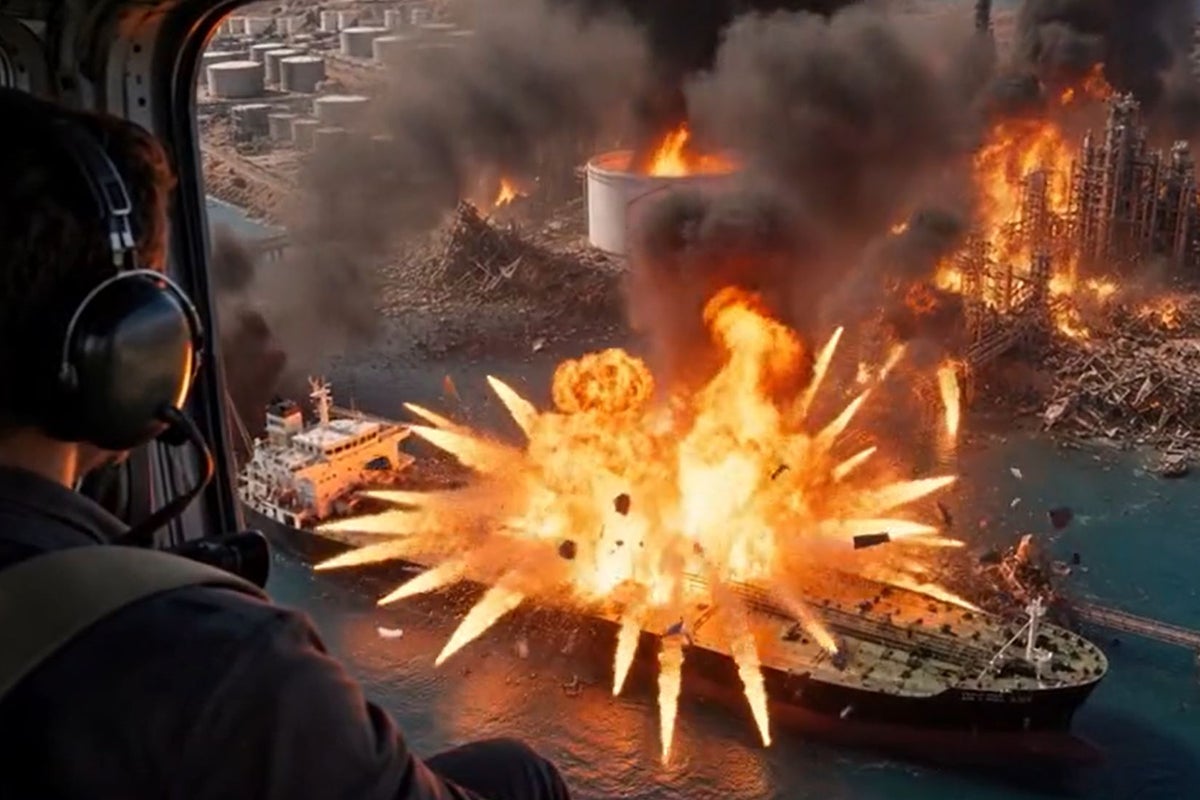
Right now, the Strait of Hormuz is basically a closed door. Since the U.S. and Israel launched strikes back in February, Iran has tightened its grip on the world's most vital waterway. We're talking about a channel that usually handles 25% of the world’s seaborne oil. Now? It’s a graveyard of shipping schedules.
Tehran isn't just sitting there; they’re getting creative. They’ve been cutting side deals with Iraq and Pakistan to keep some level of energy moving, trying to prove they can run the neighborhood without Washington's permission. An Iranian army spokesperson even bragged that "supervising" the waterway could eventually bring in double their usual oil income. Trump calls that kind of talk "garbage." He’s betting that American military pressure will break the blockade before Iran can turn the Strait into a permanent toll booth.
Why Beijing is staying quiet for now
China is in a weird spot. They’re the biggest buyer of Iranian crude, but they also hate instability. A blocked Strait means higher prices for their own massive economy. While the Trump administration claims both sides agreed that "no country should charge tolls" in the region, Beijing hasn't officially signed onto any U.S.-led plan.
In fact, they’re still testing the waters—literally. On Wednesday, a Chinese supertanker loaded with 2 million barrels of Iraqi crude tried to push through the Strait. If it makes it, it’ll be only the third Chinese vessel to successfully cross since the shooting started. China wants to show they can move through the chaos while everyone else is stuck at anchor, but they aren't about to play the role of Trump's diplomatic errand boy.
The brutal math of the 2026 oil crisis
The numbers coming out of the International Energy Agency (IEA) are ugly. Global oil supply is expected to drop by 3.9 million barrels per day across 2026. We've already lost over a billion barrels of Middle East supply since the war kicked off. You’d think this would force Trump’s hand, but he’s doubling down on the "nuclear first" policy.
- Supply Collapse: Global supply hit 95.1 million barrels in April, down 12.8 million since February.
- Price Volatility: Oil spiked to $144 per barrel before swinging wildly.
- Inventory Drain: We’re burning through strategic reserves at a record pace—146 million barrels gone in April alone.
Trump says he doesn't think about the financial strain on Americans "even a little bit" when it comes to this conflict. To him, preventing a nuclear Iran is the only metric that matters. It’s a high-stakes gamble that assumes the U.S. economy can survive the shock longer than the Iranian regime can survive the blockade.
What happens if the blockade holds
If you're looking for a quick resolution, don't hold your breath. Iran wants compensation for war damages and an end to the U.S. blockade. Washington wants Tehran to scrap its nuclear program and walk away from the Strait. Those two positions aren't even in the same zip code.
For shippers, the "new normal" is expensive and dangerous. Some vessels are trying to mirror the Iranian-Pakistani deals to get through, while others are simply waiting outside the Gulf, hoping for a breakthrough in Beijing that Trump says he doesn't even want.
Keep an eye on the "shadow fleet." While mainstream shippers are terrified of sea mines and IRGC boardings, these off-the-grid tankers are the only ones keeping the lights on in certain parts of the world. If Trump truly intends to bypass China’s influence, he’ll have to find a way to stop that shadow trade without sparking a full-scale naval war that would make $144 oil look like a bargain.
US-sanctioned ships pass Strait of Hormuz as China calls Trump's blockade 'dangerous'
This video provides critical visual context on the current maritime standoff and the specific ships attempting to navigate the blockade despite rising tensions between Washington and Beijing.